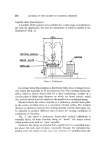
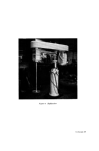
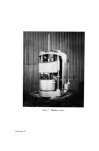
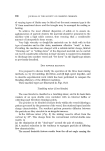
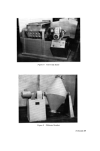
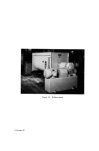
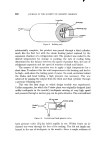
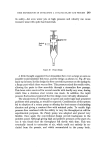
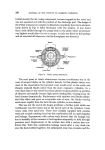
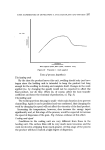
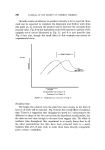
236 JOURNAL OF THE SOCIETY OF COSMETIC CHEMISTS of varying types of blades may be fitted but the most common type is the 'Z' form mentioned above and the troughs may be arranged for cooling or heating. To achieve the most efficient dispersion of solids or to ensure de- agglomeration of particle clusters the material should be presented to the machine with a high solids content, thus ensuring that a considerable amount of interparticle shear occurs. Very high viscosity or dough-like materials can be dealt with in this type of machine and in this state, maximum effective "work" is done. Providing the machines are charged with a suitable initial charge, limited "thinning out" or "letting down" of the dispersed material can be carried out but if considerable reduction in final viscosity is required it is desirable to discharge into another vessel and "let down" in the liquid type mixers as previously described. DRY POWDER BLENDING It is proposed to discuss briefly the operation of the three basic mixing methods, i.e. by (1) tumbling, (2) ribbon, and (3) high speed impeller, and to describe experimental work which has been performed to compare the blending efficiency of the different machines. These machine types are illustrated in Pigs. 9-11. Tumbling mixer (Cone blender) The cone blender is classified as a tumbling mixer, and in its basic form consists of an open double cone container with no internal baffles or collecting (and therefore cleaning) points. The powders to be blended circulate freely within the vessel following a pattern governed by the geometry of the vessel, the rotational speed and the charge characteristics. The resultant pattern promotes diffusion between the particles as they circulate in an irregular manner. In the Oblicone mixer (Pig. 9J the mixing vessel is off-set from the vertical by 15 ø . This change from the conventional vertical double cone results in (a) the elimination of the "dead-spot" around the axis of rotation. (b) A marked reduction in the tendency to segregate particles of differing flow characteristics. The second desirable feature results from the off-set angle causing the

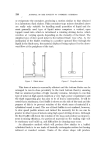
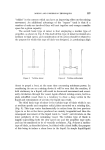
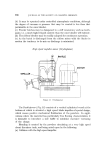
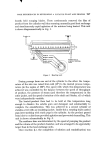
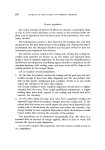
Figure 8 Universal mixer ß Figure 9 Oblicone blender Facing page 236
Purchased for the exclusive use of nofirst nolast (unknown)
From: SCC Media Library & Resource Center (library.scconline.org)