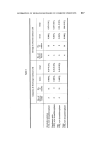
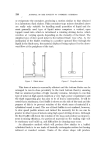
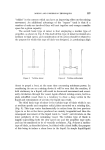
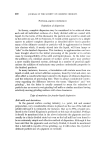
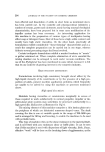
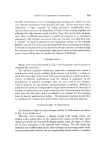
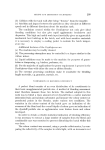
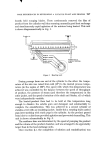
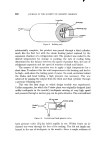
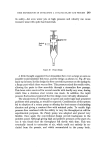
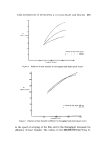
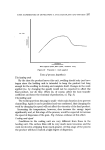
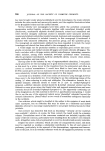
SOME EXPERIENCES IN DEVELOPING A VOTATOR PLANT AND PROCESS 25,c[ uo (BTU hr øF,sq Heating unit shaft speed 750 rpm .... $50 rpm ß . 410 rpm ,o'o 2•o 3'00 ThrGughput (lbs/hour) Figure fi Relation of heat transfer to throughput and shaft speed: heater 350 250 Uo (BTU/hr/øf/r, q ft) 200 Figure • Cooling unit shaft speed 460 rpm x .... 410 rpm I I 3•0 4•0 Throughput (Ib/hr) Relation of heat transfer coefficient to throughput and 6haft speed: cooler in the speed of scraping of the film and in the throughput increased the efficiency of heat transfer. The values, in the 200-300 BTU/hr/øF/sq. ft.

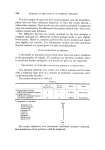
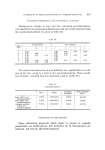
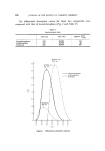
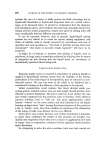
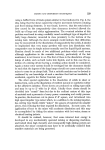
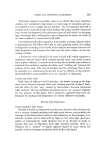
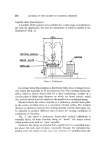
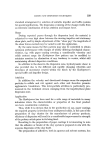
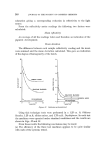
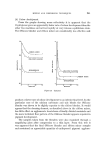
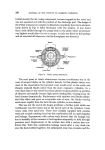
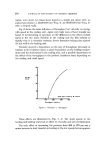
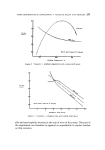
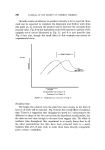
254 JOURNAL OF THE SOCIETY OF COSMETIC CHEMISTS region, were about ten times those found in a simple pot mixer with an anchor type stirrer, i.e. 20-30 BTU/hr/øF/sq. ft. (or 30-50 BTU/hr/øF/sq. ft. with a scraped wall). Fig. 6 shows the same influence of throughput but virtually no change with speed in the cooling unit. Again very high rates of heat transfer are found. It is interesting to speculate on the difference in the effect of shaft speed in the two units. Possibly in the cooling unit the film reforms so rapidly that it is virtually constant, slower formation taking place against the hot wall in the heating unit. Viscosity showed a dependence on the rate of throughput (inversely in relation to the residence time) a joint dependence on the holding temper- ature and the shaft speed in the cooling unit, and a possible dependence of the effect of the throughput in the product (residence time) depending on the cooling unit shaft speed. Ex. (socs! I !oo (each point mean of 18 values) I I I 200 300 400 Throughput (lb/hour) Figure 7 Viscosity v. throughput These effects are illustrated in Figs. 7--9. The shaft speeds in the heating and holding units had no effect on viscosity and are not illustrated. The only effect of increasing the pressure from 200 to 275 psi was a minor increase in heat transfer on heating at the low speeds but an appreci-
Purchased for the exclusive use of nofirst nolast (unknown)
From: SCC Media Library & Resource Center (library.scconline.org)