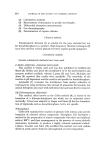
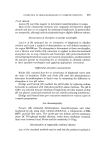
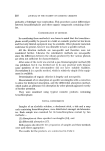
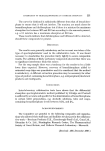
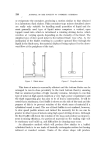
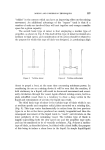
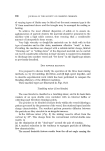
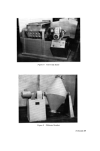
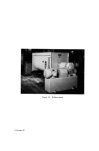
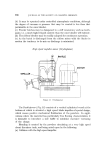
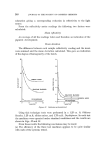
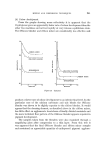
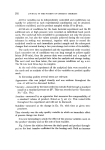
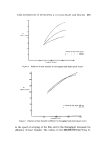
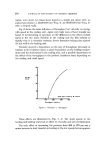
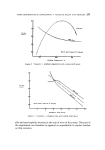
240 JOURNAL OF THE SOCIETY OF COSMETIC CHEMISTS coloration giving a corresponding reduction in reflectivity to the light source. From the reflectivity meter readings the following two factors were calculated: Mean reflectivity An average of all the readings taken and therefore an indication of the pigment development. Mean deviation The difference between each sample reflectivity reading and the mean were summed and the mean deviation calculated. This gave an indication of the degree of homogeneity of the batch. o: 40 IBBON MIXER E BLEiDER I •...• DRYDISPERSERMIXERRIBBON,,BLENDER*DRYDISPERSER,,/%5o MINUTES Figure 12 MINUTE,5 Calcium carbonate/red Using this technique tests were performed in a 1.25 cu. ft. Oblicone blender, 1.25 cu.ft. ribbon mixer, and 1.75 cu.ft. Drydisperser. In each test the machines were operated under standard conditions and the results are shown in Figs. 12 and 13. From these results the following conclusions may be made: (a) The efficiency of the three test machines appears to be quite similar with each of the systems tested.

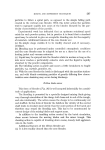
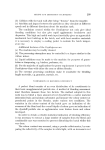
MIXING AND DISPERSION TECHNIQUES 241 (b) Colour development. From the graphs showing mean reflectivity it is apparent that the Drydisperser gave an appreciably faster rate of colour development than the other two machines and arrived rapidly at very intense equilibrium state. The Oblicone blender and ribbon mixer are considerably less effective and •o • 7o .•BON MIXER o OBLICON• BLENDER DRYDISPERSER w CON• BLENMIXER,,RIBBON DRYDISPERSER MINUTES MINUTES Figure 13 Talc/red produce a slower rate of colour development to an inferior final level. In the particular case of the calcium carbonate and talc blends the Oblicone blender was shown to be slightly superior to the ribbon blender. It would appear that the shearing element, as described above in the ribbon mixer, has little effect on agglomerate breakdown of finally divided materials and the more turbulent flow pattern of the Oblicone blender appears superior in pigment development. The samples taken from the blenders were also examined through a magnifying glass after compression to a thin layer. From this test it was apparent that the final Oblicone blender and ribbon mixer samples each contained an appreciable quantity of undispersed pigment agglome-
Purchased for the exclusive use of nofirst nolast (unknown)
From: SCC Media Library & Resource Center (library.scconline.org)