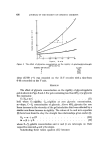
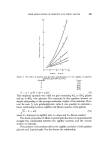
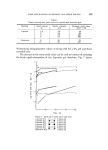
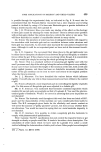
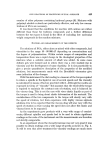
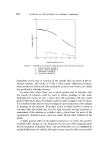
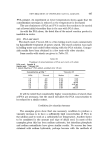
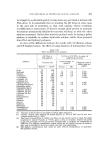
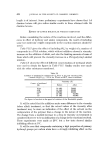
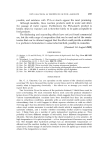
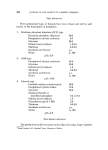
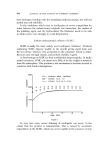
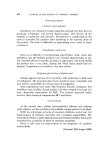
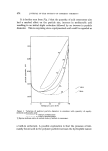
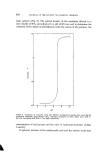
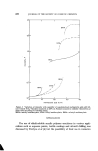
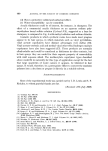
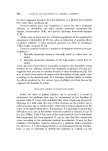
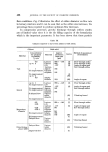
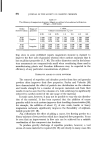
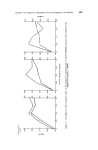
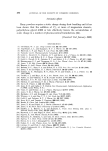
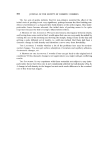
478 JOURNAL OF THE SOCIETY OF COSMETIC CHEMISTS 10 16' I I I ! / ! / EM/• / / ld 2 I 0 30 40 I BMAi i / / EMA / MMA/ / / / / I I lO 20 methacrylic acid (% wt) t igur• 8 Variation of viscosity with quantity of copolymerized methacrylic acid. pH 8.5, non-volatile 10 •. Viscosity measured at 25øC on Ferranti concentric cylinder viscometers at shear rates according to viscosity range. MMA= methyl methacrylate, EMA---- ethyl methacrylate, BMA---- n-butyl methacrylate. APPLICATIONS The use of alkali-soluble acrylic polymer emulsions in various appli- cations such as aqueous paints, textile coatings and oil-well drilling, was discussed by Fordyce et al (4) but the possibility of their use in cosmetics

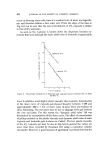
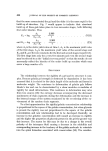
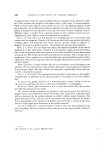
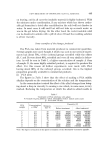
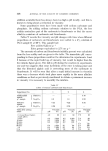
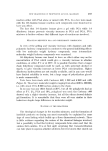
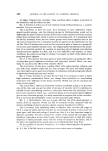
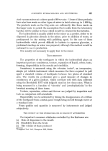
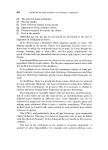
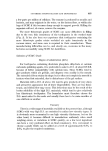
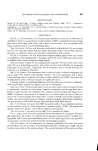
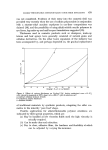
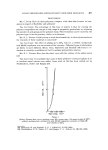
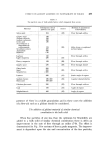
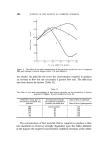
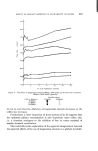
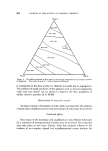
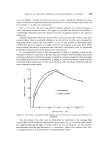
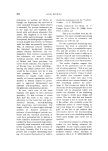
ALKALI-THICKENABLE METHACRYLATE COPOLYMER EMULSIONS 479 was not considered. Evidence of their entry into the cosmetic field was provided very recently when the use of sodium polyacrylate in conjunction with a styrene-ethyl acrylate copolymer in eye-liner compositions was claimed (14), and the possibility of using alkali-soluble acrylic polymers in eye-liners, leg make-up and nail lacquer formulations suggested (15). Thickeners used in cosmetic products such as shampoos, make-up lotions and hair sprays have generally consisted of natural gums and cellulose derivatives. On the other hand, expansion of the industry has been accompanied by, and perhaps depended on, the gradual replacement 3O 20' 0 2 4 6 8 10 12 14 16 18 20 thickener (ø/0 wt on surfactant) Figure 4 Effect of various thickeners on ½ycloryl NA. Active surfactant conc.-- 11.2 % w/w viscosity measured at 25øC, shear rate----403 s-1 pH of solutions ca 7. a=methyl cellulose (½elacol M.450) b----polymeric acrylic thickener c----sodium chloride. of traditional materials by synthetic products, relegating the older cos- metics to the minority 'pure food' shops. Possible applications for alkali-thickenable polymer emulsions are indicated by their special properties, which are: (a) May be handled as low viscosity fluids until the high viscosity is actually required. (b) Can be made clear and colourless. (c) Dry to clear, adhesive films, the hardness and flexibility of which can be adjusted by varying the monomer.
Purchased for the exclusive use of nofirst nolast (unknown)
From: SCC Media Library & Resource Center (library.scconline.org)