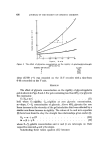
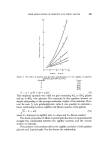
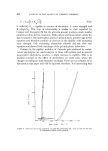
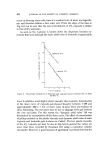
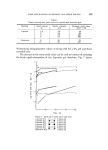
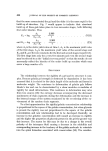
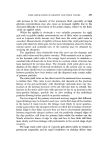
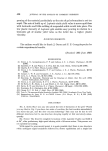
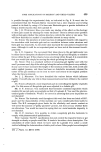
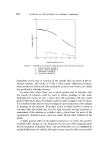
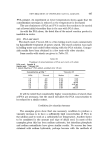
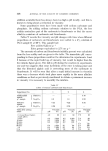
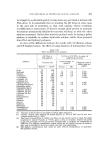
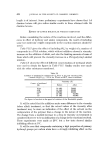
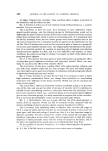
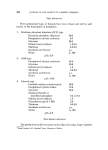
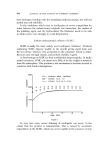
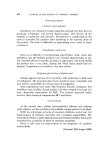
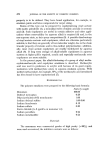
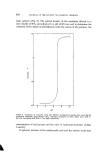
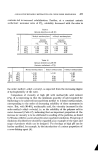
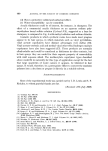
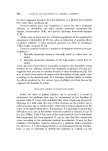
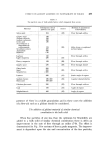
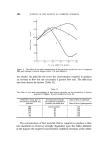
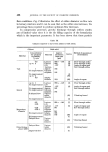
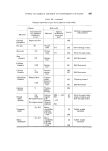
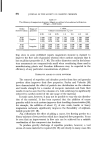
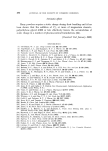
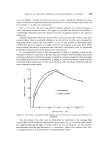
486 JOURNAL OF THE SOCIETY OF COSMETIC CHEMISTS 1400 1200 iooo 8OO 6OO 4oo I I I I I 0 20 40 60 80 I00 % w/w odded fine powder Figure 1 The effect of size and concentration of fine particles on the flow rate of magnesia (851 gm) through a circular hopper orifice 11.4 mm diameter. the smaller the particles the lower the concentration required to produce an increase in flow but not necessarily a greater flow rate. The effect has also been shown for lactose (Table II). Table II The effect of size and concentration of fine lactose particles on the flowability of lactose granules (1 242gm). Results interpreted from (7). Arithmetic mean size in micrometres of added fine particles 626 335 213 163 111 -74 Estimated percentage fine material required to produce optimum flow Indeterminate 75 50 40 25 15 Rate of flow at optimum Rate of flow of plain granule 1.15 1.32 1.38 1.44 1.38 1.19 The concentration of fine material that is required to produce a flow rate maximum is, however, strongly dependent upon the orifice diameter of the hopper the required concentration of glidant increases as the orifice

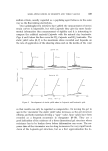
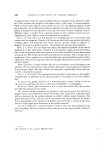
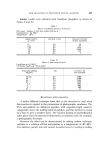
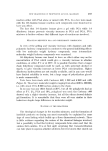
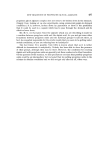
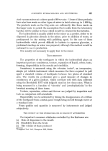
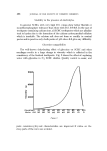
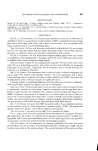
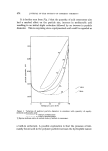
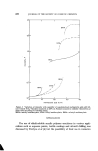
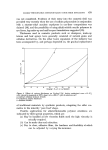
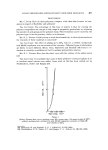
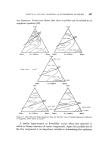
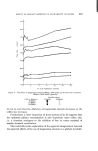
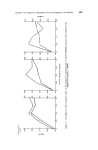
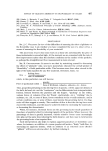
EFFECT OF GLIDANT ADDITION ON FLOWABILITY OF SOLIDS 487 size decreases. It has been shown that these variables can be related in an empirical equation (12). 71p. m 253p. m Do • 0.60.3 cm 851p. m 71p. m 253pm Do = 0.740 cm 851p. m 71p. m 600• -6ø0 Flow rates, g min-I 7oo-8o• / / ,,,•oo-•oo/••oo 2531J, m I)o=0,898 r.m 851p, m 711•m 71p. m / ,•',oø-:.•:C,• '•øø .%- ½ • --,- Figure 2 The effect of orifice diameter (Do) on the flow rate of multicomponent mixtures of magnesia. Flow rates in g min-t A similar improvement in flowability occurs when fine material is added to binary mixtures of coarse components. Again the particle size of the fine component is an important variable in determining the optimum
Purchased for the exclusive use of nofirst nolast (unknown)
From: SCC Media Library & Resource Center (library.scconline.org)