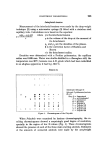
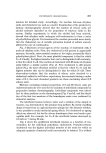
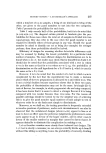
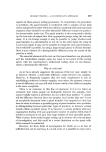
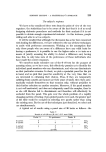
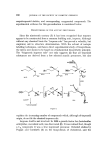
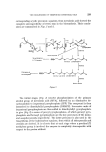
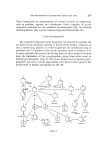
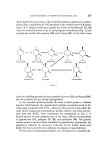
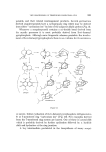
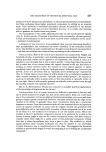
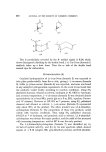
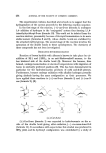
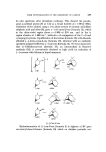
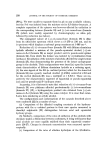
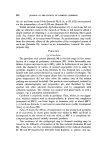
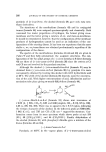
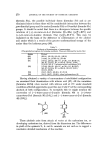
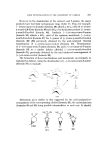
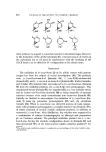
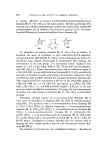
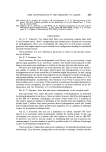
THE BIOGENESIS OF TERPENOID ESSENTIAL OILS 235 These compounds are representative of several essential oil components such as perillene, ngaione and elsholtzione. Other examples of acyclic terpenoids examined are the antibiotic mycelianamide (15), the alkaloid thiobinupharidin (16), and the bismonoterpenoid foliamenthin (17). Cyclic monoterpenoids The terpenoid compounds most frequently encountered in essential oils are based on the menthane skeleton or derived from further cyclisation of such a system (e.g. pinene). In order to generate the cyclohexane ring of menthane the C-1 position of the acyclic precursor must be joined to C-6. It seems probable that part of the driving force for this reaction is derived from the elimination of the pyrophosphate group from either neryl or linaloyl pyrophosphate (Fig. 5). (The trans double bond of geranyl pyro- phosphate prevents C-1 from approaching C-6.) Recent work supports the involvement of linaloyl pyrophosphate (18, 19). borncol Figure 5

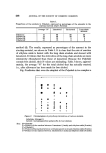
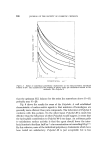
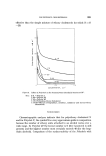
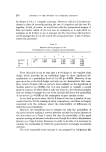
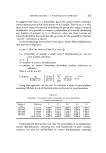
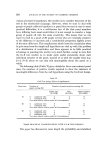
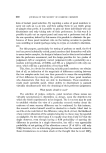
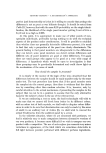
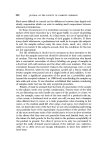
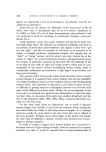
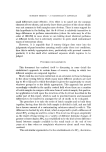
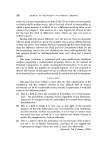
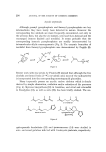
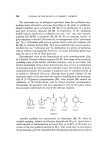
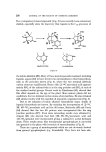
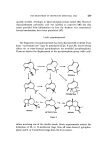
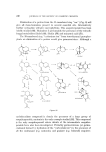
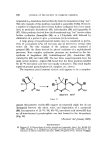
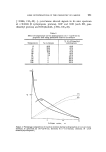
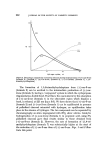
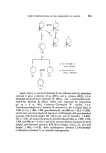
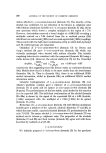
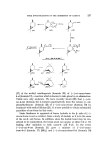
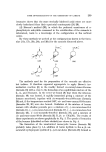
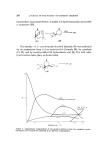
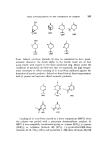
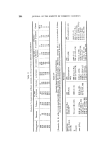
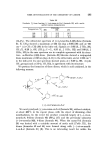
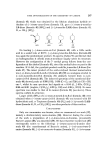
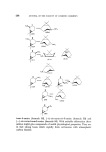
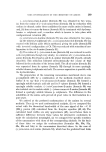
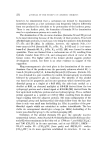
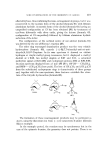
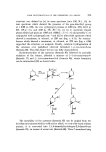
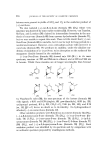
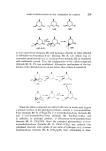
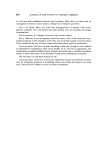
236 JOURNAL OF THE SOCIETY OF COSMETIC CHEMISTS The carbonium ion, or biological equivalent, from the cyclisation may undergo many alternative processes depending on the plant or conditions. Simple hydration gives a-terpineol (19, 20) or an elimination of a proton may give A4-carene, limonene (21-24), or terpinolene. If the remaining double bond is involved in cyclisation the nexv "ion" may give borneol, a-pinene (19, 23-27), or [I-pinene (10, 23, 24, 27) or rearrange further to give camphene or fenchol. Alternatively a rearrangement of the "carbonium ion" by a 1,2-hydride shift gives a system which could give sabinene (19, 24, 28), or sabinene hydrate (24). Thus seven skeletal types may be genera- ted from the one "carbonium ion" by elimination of a proton or hydration with or without rearrangement. However, of course, individual plants may only use one or a few of these processes. Experimental work on the biosynthesis of cyclic monoterpenoids (Fig. 5) is limited. Present evidence suggests (19, 27) that many of the reactions, including some of the further oxidation processes, may be reversible. The further metabolism of these basic skeletal types may involve a combination of processes such as reduction and oxidation to give the plethora of mono- terpenoid structures. For example a-terpineol may be considered (Fig. 6) to cyclise to 1,8-cineol. However, although there is good evidence for the terpenoid origin of 1,8-cineol with the expected labelling from the incorpora- tion of [1-14C]geranyl pyrophosphate (29), when Arigoni (30) studied the utilisation of [2-14C]mevalonic acid he found complete randomisation. Presumably the precursor had been degraded to C02 by the plant before the precursor could reach the site of the relevant enzymes. •l• c• HO 0 o OH 1,8-cineol a sabir•al thujone t hymol Figure 6 Another problem was encountered by Banthorpe (28, 31) when he studied camphor, sabinol and thujone biosynthesis (Fig. 6). Apart from a small amount of randomisation he found that up to 87% of the label •vas at one of the two positions instead of 50%. This result may be interpreted by postulating a pool of unlabelled dimethylallyl pyrophosphate in the plant
Purchased for the exclusive use of nofirst nolast (unknown)
From: SCC Media Library & Resource Center (library.scconline.org)