THE BIOGENESIS OF TERPENOID ESSENTIAL OILS 245 (41) Auda, H., Juneja, H. R., Eisenbraun, E. J., Wailer, G. R., Kays, W. R. and Appel, H. H. Biosynthesis of methylcyclopentane monoterpenes. I. Skytanthus alkaloids. J. Am. Chem. Soc. 89 2476 (1967) Horodysky, A. G., \¾aller, G. R. and Eisenbraun, E. J. Biosynthesis of methylcyclopentane monoterpenes. IV. Verbenalin. f. Biol. Chem. 9,44 Silo (1060). (42) Rcgnicr, F. F.., Waller, G. R., Eiscnbraun, E. J. and Auda, H. The biosynthesis of mcthylcyclopcntanc monotcrpencs. II. Ncpctalactonc. Phytochem. 7 221 (1968) see also Meinwald, J., Happ, G. 1V[., Labows, J. and Eisner, T. Cyclopcntanoid terpcnc biosyn- thesis in a phasmid insect and in catmint. Science, 151 79 (1966). (43) Battcrsby, A. R., Byrne, J. C., Kapil, R. S., Martin, J. A., Payne, T. G., Arig0ni, D. and Loew. P. The mechanism of indolc alkaloid biosynthesis. Chem. Comm., 951 (1968). (44) Guarnaccia, R., Botta, L. and Coscia, C. J. Mechanism of indolc alkaloid biosynthesis. J. ztm. Chem. Soc. 91 204 (1969) Coscia, C. J., Botta, L. and Guarnaccia, R. On the mechanism of iridoid and sccoiridoid monotcrpcnc biosynthesis. •lrch. Biochem. Biophys. 130 498 (1970). (45) Arigoni, D. Chemical Society Simonsen Lecture (12th November, 1969). (46) Crowlcy, 1V[. P., Godin, P. J., Inglis, H. S., Snarcy, •VI. and Thain, F.. M. The biosynthesis of the "pyrcthrins". I. The incorporation of 14C-labelled compounds into the flowers of Chrysanthemum cinerariaefolium and the biosynthesis of chrys• nthcmum monocarboxylic acid. Blochim. Biophys. Acta 00 312 (1962). (47) Mukherji, S. 1V[. Biogcnesis of 3,4-coupling of isoprcnoids. J. Ind. Chem. Soc. 41 309 (1964) Bates, R. B. and Paknikar, S. K. Tcrpcnoids. IX. Biogcncsis of some monotcr- penoids not derived from a getany1 precursor. Tetrahedron Letters 1453 (1965). (48) Regnicr, F. F.., F-iscnbraun, F.. J., Waller, G. R. and Auda, H. The biosynthesis of ncpc- talactonc and caryophyllenc. ztbs..4m. Chem. Soc. Meeting, 150 116C (1965). (49) McMorris, T. C., Nair, 1V[. S. R. and Anchcl, 1V[. The structure of illudol, a scsquitcrpcnoid triol from Clitocybe illudens. J'. .4m. Chem. Soc. 89 4562 (1967). (50) McMorris, T. C. and Anchcl, 1V[. Fungal metabolites. The structure of the novel scs- quitcrpenoids i11udin-S and -M. J. ,'Ira. Chem. Soc. 87 1594 (1965). (51) Dugan, J. J., de Mayo, P., Nisbct, M., Robinson, J. R. and Anchel, M. Tcrpcnoids. XlV. The constitution and biogcncsis of marasmic acid. J..4m. Chem. Soc. 88 2838 (1966). (52) Bar•on, I). H. R., Moss, G. P. and Whittle, J. A. Investigations on the biosynthesis of steroids and terpenoids. Part I. A preliminary study of the biosynthesis of santonin. J. Chem. Soc. C, 1813 (1968). (53) Sou•ek, 1Vf. Terpenes CXLVIII. Biosynthesis of carotol in Daucus carota. A contribution to configuration of carotol and daucol. Collection Czech. Chem. Commu•. 27 2929 (1962). (54) Allison, A. J., Butcher, D. N., Cormoily, J. D. and Overton, K. H. Panicu]ides A, B, and C, bisabolenoid lactones from tissue cultures of Andrographis paniculata. Chem. Comm. 1403 (1968). (55) Jones, E. R. H. and Lowe, G. The biogenesis of trichothecin. J. Chem. Soc. 3959 (1960) see also for verrucarin Koc6r, M. and Siewinski, A. Biosynthesis of verrucarol. Bull. Acad. Polon. Sci. Ser. Sci. Chem. 14 341 (1966) Achilladelis, B., Adams, P.M. and Hanson, J. R. The biosynthesis of the sesquiterpenoid tricothecane antibiotics. Chem. Comm. 511 (1970). (56) Natori, S., Inouye, Y. and Nishikawa, H. The structures of mornpain and deoxyhelico- basidin and the biosynthesis of helicobasidin, quinonoid metabolites of Helicobasidium mompa Tanaka. Chem. Pharm. Bull. Tokyo lfi 380 (1967) Bentley, R. and Chen, D. Helicobasidin: a fungal benzoquinone of isoprenoid origin. Phytochem. 8 2171 (1969). ($7) Bollinger, P. f•ber die Konstitution und I(onfiguration der Lagopodine A, B and C. Thesis No. 3595, E.T.H., Z(irich (1965). ($8) Birch, A. J. and Hussain, S. F. Studies in relation to biosynthesis. Part XXXVIII. A preliminary study of fumagillin. J. Chem. Soc. C 1473 (1969). ($9) Heinstein, P. F., Smith, F. H. and Tove. S. B. Biosynthesis of C14-1abelled gossypol. J. Biol. Chem. 9,37 2643 (1962) Ired. Proc. 9,3 425 (1964) (60) Sandermann, W and Bruns, K. f•bcr die Biogcnesc von Longifolcn in Pinus longifolia Roxb. Chem. Ber. 95 1863 (1962). (61) de Mayo, P., Robinson, J. R., Spencer, E. Y. and White, R. W. The biogcncsis of helminthosporal. Experienlia 18 359 (1962).

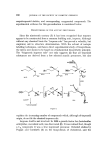
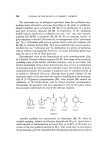
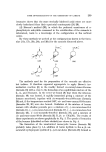
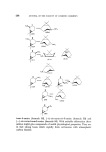
246 JOURNAL OF TIlE SOCIETY OF COSMETIC CHEMISTS (62) Yamazaki, M., Matsuo, M. and Arai, K. Biosynthesis of dendrobine. Chem. Pharm. Bull. Tokyo 14 1058 (1966). (63) Biollaz, M. and Arigoni, D. Biosynthesis of coriamyrtin and turin. Chem. Comm. 633 {1969). (64) Corbella, A., Gariboldi, P., Jommi, G. and Scolastico, C. Biosynthesis of turin. Chem. Comm. 634 (1969). (65) Noddie, R. C. and Robinson, D. R. Biosynthesis of abscisic acid: incorporation of radio- activity from [2-14C] mevalonic acid by intact fruit. Biochem. J. 112 547 (1969) (66) Taylor, H. F. and Smith, T. A. Production of plant growth inhibitors from xanthophylls: a possible source of dormin. Nature 215 1513 (1967) Taylor, H. F. Carotenoids aspossible precursors of abscisic acid in plants. Soc. Chem. Ind. •1Ionograph B1 22 (1968). (67) Milborrow, B. V. Current research on abscisic acid. Blochem. J. 114 1P (1969) Robinson, D. R. and Ryback, G. Incorporation of tritium from [(4R)-4- 3HI mevalonate into absci sic acid. Blochem. J. lib 895 (1969). DISCUSSION DR. P. J. DUN?HY: In view of the probable necessity for a 2,3 (cis) double bond (nerol) or the isomeric linalool, as the precursor in the biosynthesis of cyclic monoter- penes is it possible that the generation of such double bonds proceeds by direct cis synthesis, as in Hevea (polycis) rubber rather than through the all-trans isomer geraniol? THE LECTURER: On paper this certainly seems quite reasonable. The present evidence, however, suggests that all the monoterpenes and sesquiterpenes (and in fact direrpenes, triterpenes and carotenoids) are derived from an all-trans precursor. There is nothing inherently wrong with a cis double bond, but studies with stereo- specifically labelled mevalonic acids so far completely eliminate that possibility. With [4R-3H] mevalonic acid the tritium atom is retained when a trans double bond is generated. In the few cases where this has been studied the 4 R tritium atom is in- corporated. There is no example of 4 S incorporation. Fig. 12, for instance, shows abscisic acid. The 4 R tritium atom of mevalonic acid is incorporated, not 4 S, although there is a cis double bond. Hence there must have been an isomerization of the double bond with retention of the vinyl proton in the biosynthesis. DR. DUN?HY: Equally there are systems where you get direct cis synthesis and the epimeric proton is retained. Hevea rubber is a good example of this with a poly cis system. THE LECTURF. R: This is the only one though. DR. DUNPH¾: In fact there is a mixed system as well. Many of the poly isoprenoid alcohols, which are poly cis/trans alcohols, appear to be generated in this way. The trans double bond is synthesised, as you would expect, with the retention of the 4 R proton of mevalonic acid, while with the cis double bond it is the other proton that is retained. THE LECTURER: This is right. Polyprenols are long chain terpenoid alcohols, composed of 6-24 isoprene units. Most of them appear to contain only two or three trans double bonds, the remainder being cis. In their biosynthesis three or four (i.e. including the terminal double bond) isoprene units retain the 4 R proton of mevalonic acid and the remainder retain the 4 S proton. This evidence suggests that the plant
Purchased for the exclusive use of nofirst nolast (unknown)
From: SCC Media Library & Resource Center (library.scconline.org)