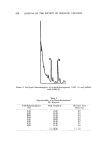
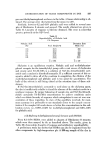
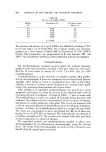
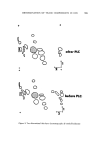
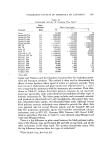
J. Soc. Cosmet. Chem., 24, 541-550 (August 19, 1973) Laboratory and Human Exposure Evaluation of Unique Sunscreen Formulations A. F. STEINHAUER, Ph.D* Presented December 11, 1972, New York City Synapsis-A screening test was developed for efficacy of SUNSCREEN FORMULATIONS which was based on ULTRAVIOLET analysis of alcohol extracts taken from skin treated with sunscreen. This type of analysis showed the superior retention of some unique sun- screen formulations in tests where the subject's forearms were subjected to water sprays and also in swimming tests wherein the formulation was applied to grid areas on the back. These formulations were unique in having minor amounts of an ACRYLATE POLYMER present. Dried films of these formulations were examined under a SCANNING ELEC- TRON MICROSCOPE and showed a coherent film having a multiplicity of voids. The sun- screen oil had been entrapped in these spaces before the high vacuum of the instrument caused its volatilization. Field evaluations of suntan and sunblock formulations containing polymer showed ex- cellent sunscreen retention under severe challenge conditions including 45-minute swims and sauna baths followed by sun exposure. INTRODUCTION Much has been said and written about the problem of sunburn. As sun- worshipping has become more and more widespread, the need for efficacious suntan lotions has become more acute. Kligman (1) and other dermatologists have pointed to the aging effects on human skin and the possibilities of skin cancer developing from overexposure to the sun's rays. 'Numerous sunscreen preparations have been marketed to prevent this dam- age from sunlight. But so many of these are easily removed as a result of sweating or by immersion in water (2). The need for more retentive sun- screen preparations was the stimulus that brought about our investigation of possible new vehicles for common approved sunscreen chemicals. *Dow Chemical Co., 2020 Dow Center, Midland, Mich. 541

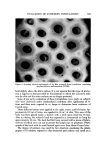
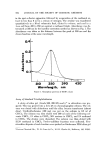
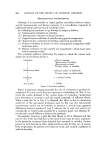
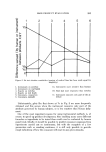
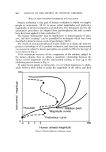
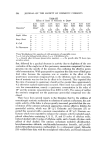
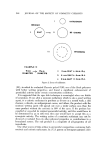
549, JOUBNAL OF THE SOCIETY OF COSMETIC CHEMISTS Since the evaluation of sunscreen preparations is quite difficult, it was nec- essary to apply several new evaluation techniques both in the laboratory and in the field to determine the efficacy of the formulations discussed in this paper. Because of a long history of use, several commercial sunscreen prod- ucts were used to assess the comparative performance of the experimental products. EXPERIMENTAL AND RESULTS During the course of an investigation involving the use of acrylate polymers in certain formulations containing rather large amounts of oil, an unusual structure was observed in the dried films. It consisted of a polymer matrix surrounding small droplets of oil. This suggested the possibility of using such formulations to help retain sunscreen oils on the skin. It was found that the entire system had to be in proper balance, but then amounts of sunscreen oil as large as 20X the weight of polymer could be more effectively retained on the skin. Unfortunately, the composition of these sunscreen formulations can- not be discussed because of secrecy requirements. But this should not be too much of a handicap to the reader if he remembers that this paper is intended primarily to include eva]uation techniques. It can be stated that the sun- screens used in these formulations included homomenthyl salicylate (HMS) and amyl-p-dimethylamlnobenzoate. The scanning electron microscope has been a very useful tool in estab]ish- ing the structure of these films. In Fig. 1, we see a photograph (7750X) of a film made from a formulation containing the acrylate polymer and sunscreen agents. Here the polymer has formed a coherent film having a mu]tip]icity of voids in which the sunscreen oi] has been trapped. Due to the high vacuum of the electron microscope all of the oil has volatilized and we simply see the voids where it has been. Closer examination of the larger holes show similar holes below the surface which do overlap to give continuity to the ultraviolet protection. This film can be sliced to give a more open structure as seen in Fig. 2. The integrity of the individual cells has now been broken. Large amounts of sunscreen can be retained in this layer in such a way that it is not prevented from functioning in its normal manner. Thus, the film serves to prevent loss of the sunscreen by volatilization or by washing away or by absorption into the skin. Frequently the sunscreens might norma]ly impart an oily or greasy feel when applied without the film former but this greasy feel is not found or at least is greatly d!min!shed when the polymer is utilized. Spot-Burn Tests The structure of these films containing the acrylate polymer suggested that the sunscreen should remain on the skin longer. Also, this type of sunscreen formulation should give an umbrella effect wherein the active sunscreen is
Purchased for the exclusive use of nofirst nolast (unknown)
From: SCC Media Library & Resource Center (library.scconline.org)