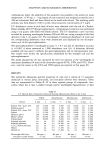
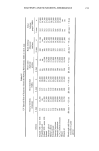
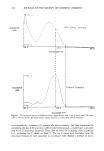
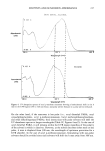
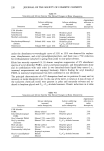
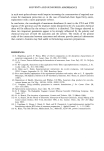
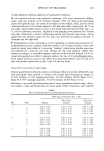
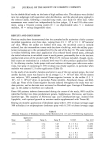
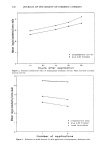
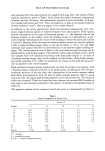
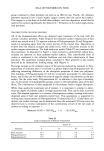
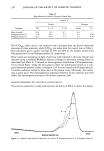
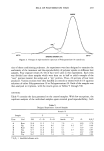
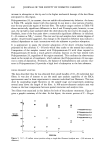
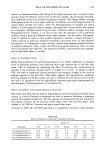
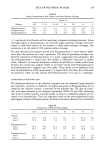
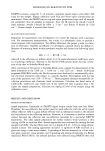
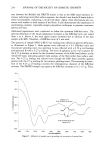
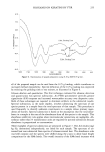
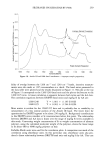
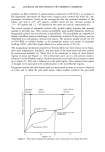
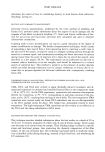
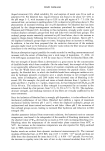
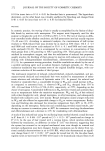
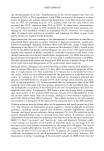
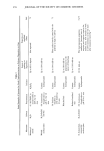
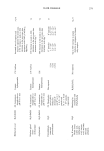
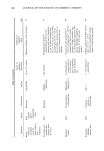
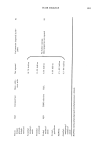
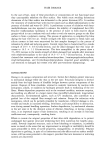
SOLVENTS AND SUNSCREEN ABSORBANCE 215 Absorbance units units -8.881 100% ETttY• ALCOItOI, 8.7•2 n 38g.8 • Wavelength 488 g 28e.• 38e•.e 488 e • Wavelength (nm) Figure 2. UV absorption spectra of dioxybenzone showing a hypsochromic shift in the k max in the UVA region (320 to 360 nm) from a non-polar solvent (hexane) to a polar solvent (ethanol). mining hydrophobic fragmental constants (9). All of the sunscreen chemicals included in this paper are listed in Table V with the exception of sulisobenzone. Nevertheless, because of solubility (Table II) and structural considerations, sulisobenzone is consid- ered to be highly polar. The data reported in Table V indicate that there are two groups of sunscreens: one that is more polar (i.e., log P values between -0.02 to 2.84) and the other that is considered to be less polar (i.e., log P values between 4.53 and 6.08). The main ingredient in the cosmetic preparation that usually will cause the k max to shift is the solvent or vehicle. If the solvent is very volatile and evaporates when the

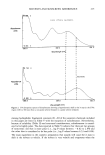
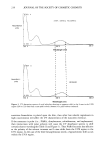
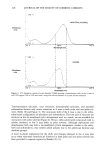
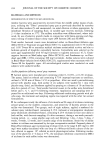
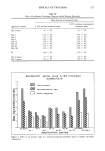
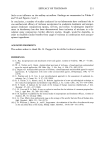
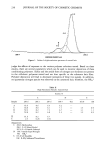
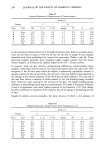
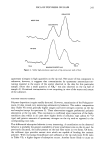
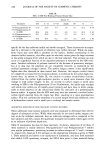
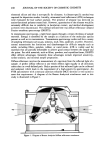
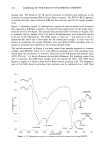
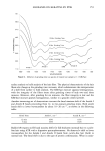
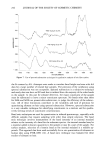
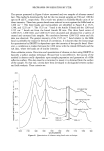
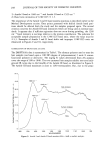
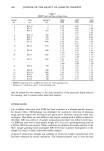
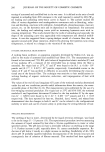
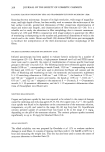
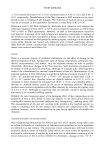
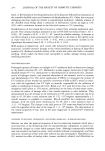
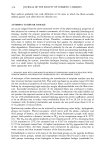
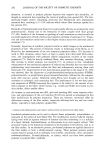
216 JOURNAL OF THE SOCIETY OF COSMETIC CHEMISTS Absorbance units Absorbancr units 100% ETHYL ALCOHOL W•velength (nm•) I I ! ! i • i ! • I ! I ! • I -- 8.88 Wavelength (nm) Figure 3. UV absorption spectra of octyl salicylate showing no apparent shift in the X max in the UVB region (290 to 320 nm) from a non-polar solvent (hexane) to a polar solvent (ethanol). sunscreen formulation is placed upon the skin, then other less volatile ingredients in high concentration will affect the UV characteristics of the sunscreen chemical. If the sunscreen is polar (i.e., PABA, dioxybenzone, sulisobenzone, and oxybenzone), then interactions with polar solvents will cause the UV absorbance spectra to shift towards shorter wavelengths (Table II and Figure 1). Thus PABA becomes less effective as the polarity of the solvent increases and k max shifts from the UVB region to the UVC region. In the case of the three benzophenones tested, a hypsochromic shift occurs within the UVA region.
Purchased for the exclusive use of nofirst nolast (unknown)
From: SCC Media Library & Resource Center (library.scconline.org)