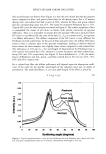
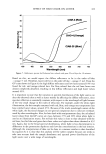
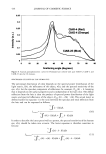
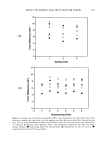
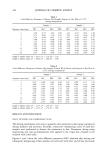
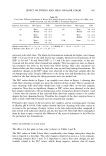
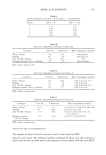
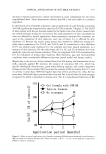
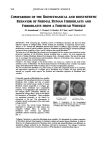
EFFECT OF DYEING AND HEAT ON HAIR COLOR 439 microscope. Observations were registered in TMAX ISO 100 Kodak film, rendering a set of 80 photomicrographs. PERMANENT DYEING Six commercial permanent dyeing formulations from L'Oreal Paris were used, three long-lasting formulations (Imedia Excellance Cr6me, containing ammonia and hydrogen peroxide) and three tone-up formulations (Casting, ammonia free, and low hydrogen peroxide). For each long-lasting formulation, a similar color of tone-up formulation was chosen. The formulations were of black, blond, and red colors. Each dye was applied to two tresses, following the enclosed instructions. All procedures were done using gloves and after wetting the hair. The long-lasting formulation was left acting for 40 min, and the tone-up formulation was left acting for 20 min. After this time, the tresses were washed in warm water and dried at room temperature. The virgin hair tresses were dyed three successive times to attain color saturation DRS measurements were taken after each dyeing cycle. After the three dyeing cycles, each tress was submitted to six se- quential shampooing washes. A commercial L'Oreal shampoo formulation particularly indicated for dyed hair was used. To each wetted tress, 1 ml of shampoo was applied with gloves and rubbed in for 5 min the tress was washed out in tap water and dried at room temperature. DRS measurements were taken after each shampooing cycle. EFFECT OF EXPOSURE TO A HOT PLATE A Taiff • professional hot plate was used. The working temperature was 172øC, as measured by a thermocouple. Two virgin hair tresses were used. The hot plate was applied as follows: each hair tress was exposed to the plate for 15 s and then cooled for 10 s, four times. This gives a 1-min exposure time. The tresses were then washed with distilled water for 20 s and dried with a hand dryer for approximately 7 min. This treatment was repeated up to a 10-min exposure to the hot plate. DRS measurements were done after each 1-min exposure. The silicone treatment was done in two tresses previously washed with distilled water. To each tress, 2 ml of product was applied, being manually distributed from the root to the tip end of the tress. These tresses, dried at room temperature, were submitted to the same hot-plate exposure treatment of the untreated hair tresses. The silicone used was Dow Corning 1501 fluid, a cosmetic ingredient recommended for renewing hair split ends. The product data sheet specifies that it contains cyclopentasiloxane and dimethiconol. EXPOSURE TO DRYER HEAT A Brittania 1300W dryer was used. The average working temperature was 62øC, as measured by a thermocouple. A virgin hair tress was attached to a wood holder using cotton yarns. The dryer was positioned in front of the tress, at middle height, keeping a distance of 6 cm between the tress and the dryer. The tress was exposed for 10 min in five cycles, at 20-min intervals. After 12 h at room temperature, the same hair tress was continuously exposed to the dryer for 60 min and DRS measurements were taken. Fibers were collected from the virgin hair tress before (control) and after the heat treatments for light microscopy observations.

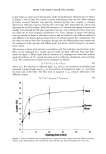
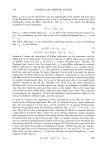
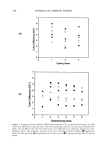
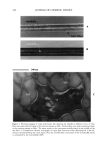
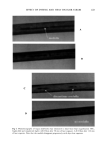
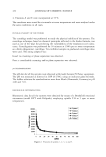
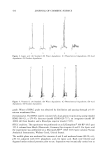
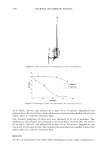
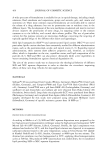
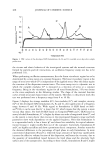
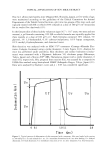
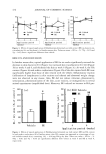
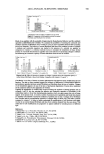
440 JOURNAL OF COSMETIC SCIENCE (a) ½"5, ILl •4- 02 o 1 ß [] A ß ß o ß ! I Dyeing times (b) _ ß ß [] [] • [] ß ß ß A ß 0 A ß o o 0 ' I I I I 0 2 3 4 • 6 Shampooing times Figure 1. Average total color difference (DE*) values measured in six virgin brown hair tresses. (a): Hair tresses were dyed three sequential times with three long-lasting and three tone-up dying formulations of black, red, and blond colors. (b): The dyed tresses were submitted to six sequential shampooing cycles. Reference values: color parameters measured in the same tress before dyeing. Symbols: (I) long-lasting black, ([•) tone-up black, (A) long-lasting red, (/•) tone-up red, (0) long-lasting blond, and (O) tone-up blond.
Purchased for the exclusive use of nofirst nolast (unknown)
From: SCC Media Library & Resource Center (library.scconline.org)