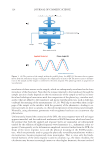
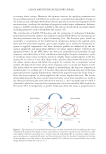
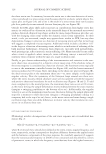
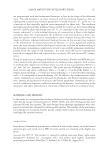
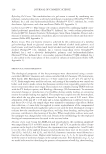
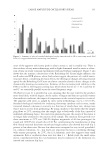
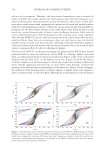
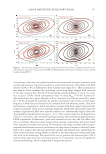
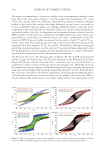
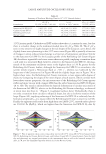
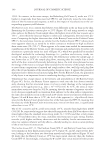
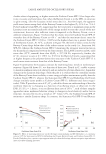
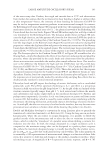
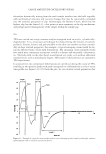
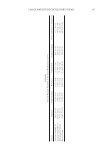
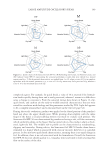
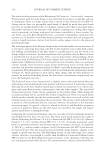
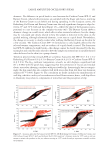
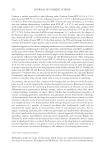
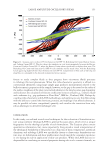
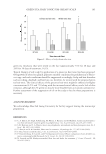
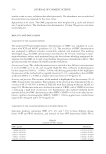
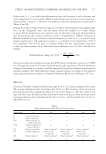
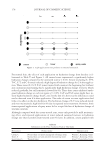
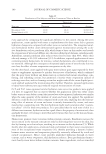
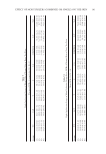
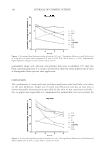
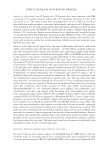
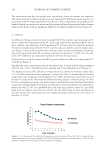
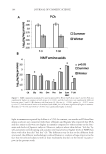
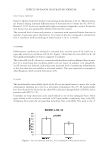
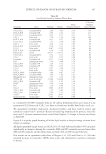
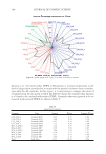
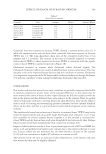
JOURNAL OF COSMETIC SCIENCE 178 For normal skin, the effect of each application on hydration change from baseline is il- lustrated in Table V and Figure 3. All treated zones represented a signifi cantly higher hydration change compared to the untreated zone (p 0.05). Cream (including C, C+T, T+C, C-T, and C-S zones) induced a high degree of hydration change for 2 h after applica- tion. Three zones (C, C+T, T+C zones) treated with cream at the beginning but without any continuous moisturizing had a signifi cantly high hydration change 2 h later, which reduced gradually, but still remained elevated for 8 h. These three zones exhibited an alo- gous hydration change at each test point ( p 0.05). C+T and T+C zones might have in- stant higher hydration change than C zone for the fi rst 2 h however, the differences could not be detected even 8 h after application. The order of cream or toner application had little or no effect on the skin hydration. Th e hydration change of C-T zone reduced slowly and even maintained a high level for 8 h due to repeated toner treatment. However, three times repeated applications of spray water led to a rapid decline of hydration change of stratum corneum. Although compared with the cream-treated zone, toner only provided a mild moisturiz- ing effect, and repeated applications of toner induced sustained increase in hydration change rate that exceeded cream-treated zone 8 h later. In addition, cream applied with Figure 1. Eight applications (test products or remained untreated). Table II Information on the Three Cosmetics Used in This Study Moisturizer Product name Manufacturers Cream, C Natural skin care moisturizing and softening cream Winona®, Kunming, China Toner, T Natural skin care anti-sensitive moisturizing toner Winona®, Kunming, China Spray water, S Thermal water Avene®, Pierre Fabre, France

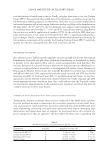
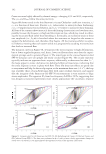
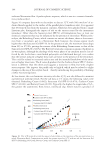
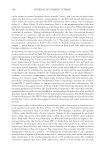
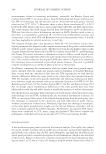
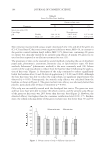
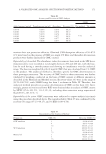
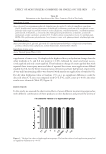
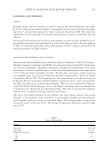
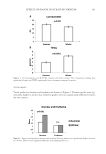
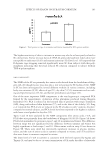
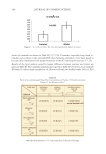
EFFECT OF MOISTURIZERS (COMBINED OR SINGLE) ON THE SKIN 179 supplement of toner every 2 h displayed the highest effi cacy on hydration change than the other methods at 6- and 8-h test point (p 0.05), followed by cream and toner succes- sively applied and only cream applied. Then hydration change of cream applied fi rst with repeated three times spray water and that of repeated four times toner applications differed slightly for 8 h, for the better moisturization of former and later half period, respectively. A very mild moisturizing effect was observed with merely one application of toner for 8 h. For dry skin (hydration value at baseline 35 a.u.), no signifi cant differences could be detected when C-T zone was compared with C+T, T+C, and C zones (p 0.05) the other results were identical (Table VI, Figure 4). DISCUSSION In this study, we assessed the short-term effects of seven different moisturizing approaches with different combination of three products on skin hydration and proved the utility of Table III Information on the Ingredients of the Three Cosmetics Used in This Study Ingredients of cream Aqua, glycerol, butyrospermum parkii oil, dimethicone, glycereth-26, tridecyl trimellitate, pentylene glycol, hexyldecanol, sucrose polystearate, diethylhexyl cyclohexane, petroleum jelly, tocopheryl acetate, prinsepia utilis rogle oil, portulaca oleracea extract, β-glucans, sodium hyaluronate, cetylhydroxyproline palmitamide, α-bisabolol, a, cetearyl alcohol, hydrogenated polyisobutene, acrylamide, acrylamide/ ammonium acrylate copolymer, acrylates/C10-30 alkyl acrylate crosspolymer, tween 20, xantham gum, EDTA-2Na, polybutene, polyisobutene, butyl stearate, stearic acid, phenoxyethanol, ethylhexylglycerin Ingredients of toner Aqua, pentylene glycol, glycerol, glycereth-26, trimethylpentanediol/adipic acid/glycerin crosspolymer, portulaca oleracea extract, β-glucans, sodium hyaluronate, hydroxyethyl cellulose Ingredients of spray water Avene Thermal Spring Water 100% Figure 2. The base line values of eight application groups. The baseline values of each application group had no signifi cant differences (p 0.05).
Purchased for the exclusive use of nofirst nolast (unknown)
From: SCC Media Library & Resource Center (library.scconline.org)