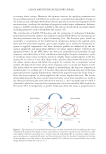
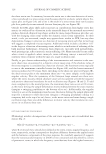
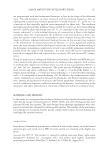
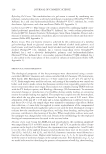
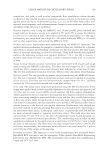
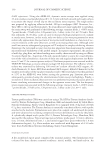
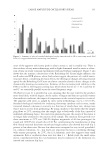
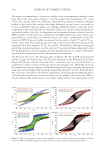
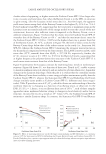
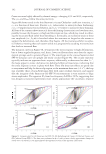
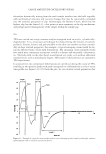
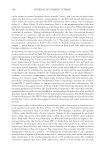
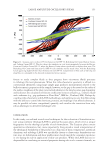
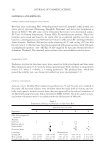
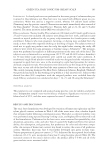
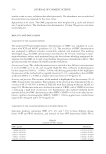
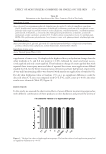
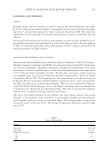
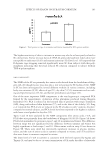
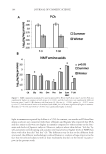
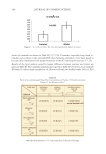
EFFECTS OF SEASON ON STRATUM CORNEUM 191 VISUAL GRADES Visual grades for dryness and erythema are shown in Figure 2. Dryness grades were sig- nifi cantly higher in winter, but erythema grades were not signifi cantly different between the two seasons. Figure 1. (A) Corneometer and (B) TEWL summer and winter studies. The corneometer readings were signifi cantly higher and TEWL signifi cantly lower in summer compared to winter. Figure 2. Expert visual grades for dryness and erythema. Dryness grades were signifi cantly higher in winter ( p 0.001). There was no signifi cant difference in erythema grades (n.s.).

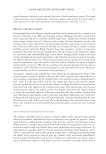
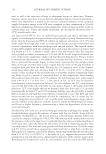
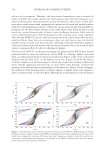
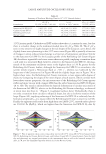
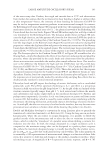
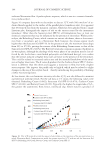
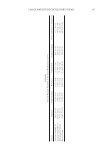
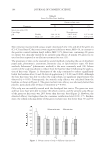
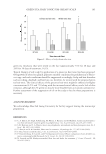
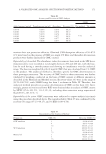
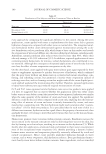
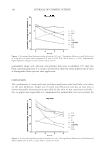
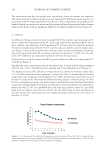
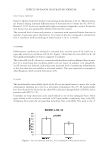
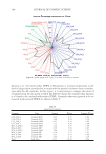
JOURNAL OF COSMETIC SCIENCE 192 The observation that dry skin grades were signifi cantly lower in summer was expected. The observation that erythema grades were not signifi cantly different between seasons is in agreement with the results reported by Visscher et al. who compared dry skin grades on the hands of health-care workers in winter and late spring and found signifi cantly higher dryness grades in the winter with no signifi cant difference in erythema grades between seasons (6). SC COHESION In addition to being a convenient way to sample the SC for analysis, tape stripping can be used to assess the cohesiveness of the SC. Each strip removes less protein from SC that is more cohesive. An advantage of the SquameScan™ system is that it accurately measures SC removed nondestructively (25,36,37), and the tapes can still be used for further anal- ysis. Figure 3 shows protein removed by each tape strip in winter and summer. Each tape removed signifi cantly more SC in winter compared to summer (p 0.001 for each strip level). The difference was especially marked for the fi rst fi ve tape strips. Total protein in strip 4 measured by BCA protein analysis in addition to SquameScan™ is shown in Figure 4. Signifi cantly, more protein was seen on the winter tape 4 strips and the winter/summer ratio for tape 4 was 1.9 by BCA protein analysis and 2.0 by SquameScan™ (Figure 3). The fi nding of reduced SC cohesion in winter dry skin is consistent with the results of Lu et al. (38) who reported results comparing “cosmetic dry skin” to normal skin on the legs analyzed by tape stripping with D-Squame discs. More protein was removed by each of the fi rst 10 strips of dry skin with the differences being largest in the fi rst strips. In order for SC to desquamate properly, the desmosomes (corneodesmosomes) that bind individual corneocytes together must break down, and this process has been shown to be impeded in winter dry skin (2,39). It is probable that each tape strip removes more SC, especially from the less compact outer layers of the SC (40,41), which may be more prominent in dry skin because the desmosomes are not completely broken down in the outer layers of dry skin (2,39,42). Figure 3. SC cohesiveness was evaluated by measuring protein removed by each of the 10 sequential tape strips nondestructively using the SquameScan™ 850A infrared densitometer. Signifi cantly ( p 0.0001) more protein was removed by each strip in winter compared to summer.
Purchased for the exclusive use of nofirst nolast (unknown)
From: SCC Media Library & Resource Center (library.scconline.org)