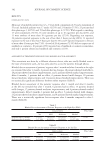
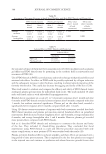
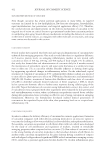
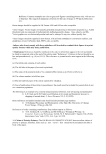
382 JOURNAL OF COSMETIC SCIENCE RESULTS DEMOGRAPHIC DATA Mean age of included patients was 42 ± 9 years with a minimum of 25 and a maximum of 55 years. Included patients were 17 males (42.5%) and 23 females (57.5%) 25 patients had skin phototype 3 (62.5%) and 15 had skin phototype 4 (37.5%). With regard to smoking, 13 were nonsmokers (32.5%), 16 were smokers of up to 10 cigarettes per day (40%), and 11 were smokers of more than 10 cigarettes per day (27.5%). Regarding sun exposure, 24 patients reported exposure to the sun of less than 2 hours per day (60%), 13 reported exposure to the sun of less than 4 hours per day (32.5%), and 4 reported exposure to the sun of more than 4 hours per day (7.5%). A total of 29 of patients (72.5%) did not report use of sunblock or cosmetics, 10 patients (25%) reported use of sunblock or cosmetics sometimes, and only 1 patient always used sunblock and cosmetics (2.5%). ASSESSMENT OF TREATMENT RESPONSE USING BLINDED DOCTOR ASSESSMENT This assessment was done by a different observer doctor, who was totally blinded even to the type of treatment used—he was only asked to access the patients through photos. Blinded doctor assessment of patients’ response after 1 month and after 6 months at the right eye revealed that after 1 month, 2 patients had no changes, 18 patients showed mild effects, 18 patients showed moderate improvements, and 2 patients showed marked improvements. After 6 months, 3 patients had no effect, 6 patients showed mild changes, 20 patients showed moderate improvements, and 11 patients showed marked improvements. There was no statistically significant difference between either response (Table I). Blinded doctor assessment of the patients’ response after 1 month and after 6 months at the left eye revealed that after 1 month, 6 patients had no effect, 13 patients showed mild changes, 17 patients showed moderate improvements, and 4 patients showed marked improvements. After 6 months, 4 patients had no effect, 5 patients showed mild changes, 23 patients showed moderate improvements, and 8 patients showed marked improvements. There was a statistically significant better response after 6 months compared to after 1 month (Table II). Table I Blinded Doctor Assessment of Patients’ Response at the Right Eye (PDO) Improvement The p value No Mild Moderate Marked Response after 1 month 2 (5%) 18 (45%) 18 (45%) 2 (5%) 0.182 Response after 6 months 3 (7.5%) 6 (15%) 20 (50%) 11 (27.5%) Table II Blinded Doctor Assessment of Patients’ Response at the Left Eye Improvement The p value No Mild Moderate Marked Response after 1 month 6 (15%) 13 (32.5%) 17 (42.5%) 4 (10%) 0.001 Response after 6 months 4 (10%) 5 (12.5%) 23 (57.5%) 8 (20%)

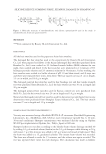
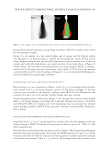
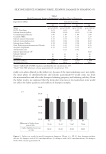
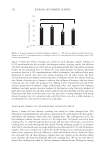
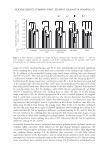
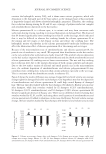
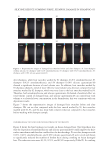
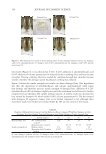
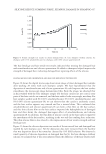
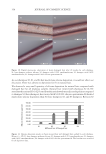
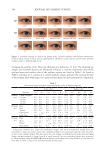
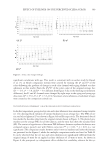
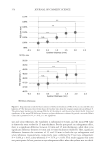
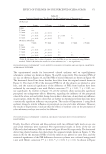
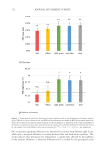
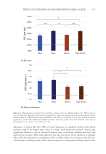
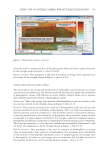
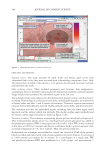
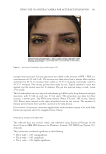
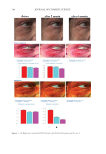
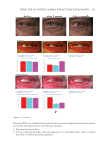
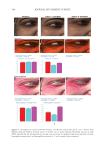
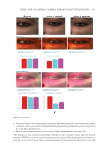
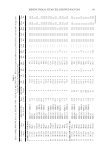
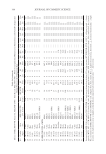
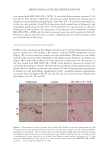
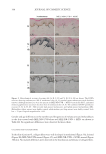
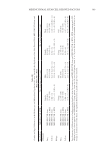
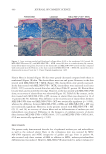
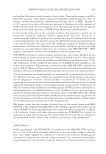
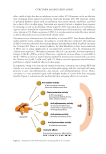
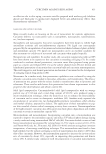
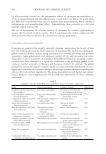
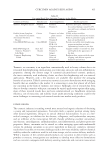
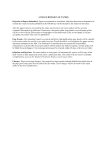
383 Using the 3D Antera Camera for Accurate Evaluation OVERVIEW SATISFACTION OF PATIENTS Patients’ satisfaction after treatment was assessed by a simple Likert scale, where a score of 1 indicated no satisfaction, and a score of 5 indicated high satisfaction. Satisfaction was higher with plasma gel treatment compared with PDO threads, but without a statistically significant difference. Patients treated with PDO threads who showed satisfaction scores 2, 3, or 4 were 18 patients, 15 patients, and 7 patients, respectively. Meanwhile, patients treated with plasma gel who showed satisfaction scores 2, 3, 4, or 5 were 6 patients, 11 patients, 12 patients, and 11 patients, respectively (Table III). ASSESSMENT OF TREATMENT RESPONSE USING 3D ANTERA CAMERA Assessment of average melanin with PDO threads showed statistically nonsignificant reduction after 1 month of treatment and significant decrease after 6 months of treatment. Average hemoglobin showed statistically nonsignificant reduction after 1 and 6 months of treatment (Figures 5 and 6). eanwhile, assessment of average melanin with the plasma gel showed statistically significant reduction after 1 month of treatment and nonsignificant reduction after 6 months of treatment. Average hemoglobin showed statistically significant reduction after 1 and 6 months of treatment with more reduction after 1 month (Table IV). Average melanin response was better with plasma gel but without statistical significance. Table IV shows the statistically significant reduction of average melanin and hemoglobin after 1 and 6 months of the treatments done. The adverse effects encountered for included patients were mostly in the forms of erythema or bruising. A total of 27 patients (10 PDO and 17 plasma gel) complained of erythema (67.5%), and 12 patients (4 PDO and 8 plasma gel) complained of bruising (30%) (Table V). Antera 3D® (Miravex Limited, Dublin, Ireland) report of study showing infraorbital pictures of right (PDO threads) and left (plasma gel) for treating eyes of patient (1), melanin range level, melanin variation, hemoglobin average level, and hemoglobin variation (0, 1, and 6 months after treatment). DISCUSSION Periorbital hyperpigmentation (POH) may be caused by multiple etiologic factors that lead to postinflammatory hyperpigmentation and dermal melanin deposition. It may be aggravated with anemia, hormonal disturbances, nutritional deficiencies, and skin laxity. Smoking and disturbance in sleeping increase the possibility of POH (12). Environmental factors that may result in dermal melanocytosis include excessive sun exposure and drug reactions (13). Table III Satisfaction Scores by Patients Treatment Satisfaction score The p value 1 2 3 4 5 PDO threads 0 18 (45%) 15 (37.5%) 7 (17.5%) 0 0.399 Plasma gel 0 6 (15%) 11 (27.5%) 12 (30%) 11 (27.5%)
Purchased for the exclusive use of nofirst nolast (unknown)
From: SCC Media Library & Resource Center (library.scconline.org)