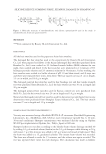
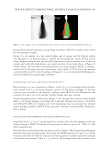
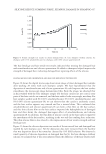
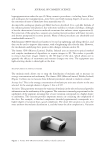
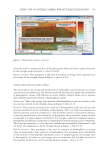
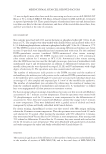
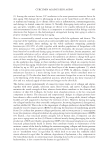
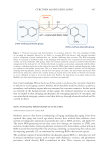
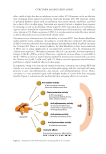
407 Curcumin Against Skin Aging best of our knowledge. Hence the focus of this review is to discuss the curcumin chemistry in relation to its antiaging cosmetic benefits, which would be useful to scholars, academics, researchers, and industry experts who are interested in curcumin cosmetics. In this article an overview of the biological basis of skin aging, the chemical properties of curcumin that are linked to skin antiaging mechanisms, the antiaging properties of curcumin, and curcumin-based antiaging cosmetics and their delivery through advanced methods will be covered in detail. SKIN ANTIAGING MECHANISMS OF CURCUMIN ANTIOXIDANT EFFECT OF CURCUMIN Oxidative stress is a key factor in stimulating cell aging, including skin aging. It has been reported that aging and several age-related diseases have resulted from oxidative stress exerted on biologically important macromolecules such as DNA, proteins, and lipids (31). The major ROS-generating factors that cause skin damage are exposure to UVR, poor nutrition, alcohol intake, chemical pollutants, and stress (32). Antioxidants combat with such ROSs to avoid their harmful effects by attacking, adsorbing, or neutralizing free radicals and decomposing peroxides (33), or sometimes by converting ROS to less reactive species. The epidermis consists of natural defense mechanisms against ROS, i.e., keratinocytes rich in natural antioxidant enzymes such as super oxide dismutase, catalases, and glutathione peroxidase, which detoxify ROS accumulated on skin. These enzymes are important Figure 1. Chemical structure and functionalities of curcumin molecule. The skin antiaging benefits of curcumin are primarily derived by its ability to scavenge ROS and interact with enzymes (proteins) such as collagenase, elastase, hyaluronidase, etc., thereby inhibiting their activities. The ROS-scavenging ability of curcumin is attributed either to the hydrogen atom transfer or by sequential electron and proton transfer reactions of phenolic OH groups, where the resultant phenoxyl radicals are stabilized by extended conjugation of the molecule (23,24). On the other hand, curcumin is a pleiotropic compound with the ability to interact with many molecules in the cells such as proteins, DNA, lipids, metals, and metalloproteins, either via covalent or noncovalent interactions. The π–π interactions of the aromatic moieties and the hydrogen bonding involving phenolic moieties and the keto-enol group can induce the noncovalent interactions with the bioactive molecules, whereas the covalent bonds are mainly due to the ability of the keto-enol moiety to act as a Michael acceptor or an electron donor (25). Further, the long-chain seven-carbon links provide flexibility for these functional groups to interact with bioactive molecules.

408 JOURNAL OF COSMETIC SCIENCE to inhibit lipid peroxidation by quenching radicals via hydrogen atom donation and catalyzing hydrogen peroxide degradation (34). The incapability of these enzymes to respond effectively due to the imbalance of oxidant–antioxidant in skin cells results in oxidative stress in skin cells. Curcumin is considered a potent antioxidant against not only skin aging but also several other age-related diseases caused by the generation of ROS (35). The presence of phenolic groups with hydrogen-donating ability in curcumin makes it an effective antioxidant (36). Moreover, it is also reported that the consumption of curcumin significantly increases the activities of natural antioxidant enzymes as well (34,37). Curcumin has been reported to reverse the age-related alteration by free-radical scavenging activity as well as by elevating the antioxidant enzymes (38). According to a recent study, curcumin has showed powerful inhibition of peroxidation damage on human keratinocytes and fibroblast in skin (39). Several investigations on antioxidant activity of curcumin using DPPH (2,2-diphenyl-1-picrylhydrazl) radical scavenging assay and ferric reducing antioxidant power (FRAP) assay has showed that curcumin has an effective ferric ion reducing capacity of 56.7% compared with conventional reference antioxidants such as tocopherol (31.3%), trolox (45.2%), butylated hydroxyanisole (BHA) (69.9%), and butylated hydroxytoluene (BHT) (60.0%). Comparison of the DPPH scavenging capacity with other antioxidants also showed comparable activity: curcumin (62.2%), tocopherol (64.9%), trolox (29.4%), BHA (67.8%), and BHT (62.5%) (40). Moreover, curcumin being extracted from turmeric, its antioxidant activity also depends on external factors such as the area of turmeric cultivation as well as the chemical processes used for extractions. For example, a study conducted using different solvents for curcumin extraction reported that turmeric extracted using ethanol had the highest DPPH radical scavenging activity and the highest FRAP-reducing values compared to those in water (41). On the other hand, a study evaluating the antioxidant activities of the active materials from different plant origins (turmeric, curry leaf, torch ginger, and lemongrass) using different solvent extracts (ethanol, methanol, and acetone) revealed that the turmeric extract in acetone (80% v/v in 20% water) had the highest total phenolic content of 221.7 mg gallic acid equivalent per gram and DPPH antioxidant activity of 67.8% (42). PHOTO-PROTECTIVE EFFECT OF CURCUMIN Exposure to solar radiation, especially ultraviolet radiation (UVR, especially UVB, 280– 320 nm), is a major environmental factor for developing skin disorders, skin aging, and skin cancer (43). High levels of UVR can either kill or severely damage the cells (32). UVR is also responsible for jeopardizing the intergrity of the skin by the generation of ROS (44). Consistent and repetitive exposure, which is known as chronic sun exposure, results in photoaging of the skin (45). Direct exposure to UVR has shown to deplete catalase activity in the skin. It also causes DNA damage, oxidative stress, immunotoxicity, and imbalance in antioxidant defense enzymes (46). Sunlight can pass through skin cells and damage the dermal mitichondrial DNA. The primary response of the skin to sun exposure is the tanning of skin, which reduces further damages from exposure (45,47). The commonly used remedies to reduce the risk of UVR are avoiding exposure to the sun (primary treatment) and pretreating skin with antioxidants such as sunscreens before exposure to the sun (43). However these methods have limited success in preventing the damage to skin aging over time (44).
Purchased for the exclusive use of nofirst nolast (unknown)
From: SCC Media Library & Resource Center (library.scconline.org)