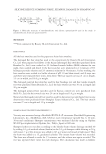
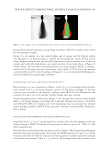
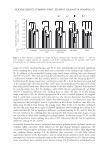
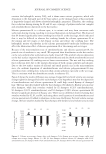
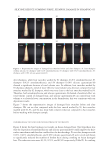
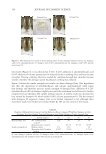
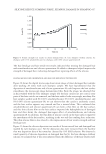
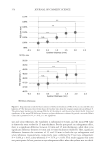
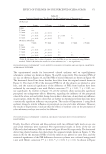
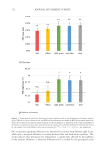
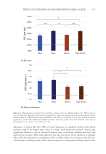
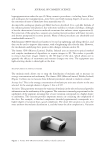
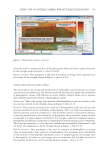
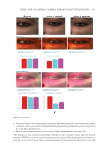
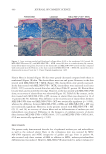
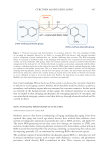
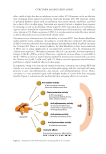
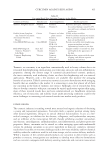
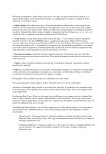
411 Curcumin Against Skin Aging effect, while a high dose has an inhibitory or toxic effect (67). Hormesis can be an effective way of slowing down aging by preventing molecular damage (68). The exposure of skin to potential hormetic agents such as irradiation, heat, heavy metals, antibiotics, and food has a direct effect on skin aging. Curcumin was reported to have a diphasic dose response by inducing as well as detoxifying cellular responses (69). Curcumin has several hormetic aspects such as stimulation of proteasomes, differentiation of keratinocytes, and enhanced stress tolerance (70). Heme oxygenase-1 (HO-1) is a redox-sensitive inducible stress protein in which the products are associated with cellular stress. Curcumin acts as a hormetin as it has the ability to increase HO-1 from human fibroblasts under oxidative stress conditions. According to a study that was conducted, the induction of HO-1 levels was observed after treating human skin fibroblasts with 10 μM of curcumin for 24 hours (69). There is a natural tendency for skin fibroblasts to have lower induction of HO-1 due to aging. Application of curcumin had a positive effect by stimulating the cellular stress responses. The biphasic hormetic effect of curcumin has also been reported in relation to Na/K –ATPase activity. There was a significant increase (three- to sevenfold) in Na/K –ATPase activity of normal human epidermal keratinocytes treated with curcumin for 24 hours at 0.3 μM ,1.0 μM, and 3 μM (71). Hence curcumin possesses several hormetic pathways to impart beneficial effects on skin aging. In summary, owing to its very special chemical structure, curcumin can scavenge ROS and thereby acts as an antioxidant, a protector from photoaging, and also can bind with many proteins to give anti-inflammatory, anti-elastase, and antihyaluronidase effects. Hence, curcumin is a very powerful agent with multiple modes of action with skin antiaging benefits. Figure 2 summarizes the multimodal skin antiaging effects of curcumin. Figure 2. Summary of the multimodal skin antiaging effects of curcumin.

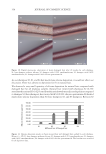
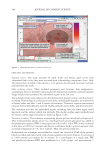
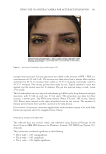
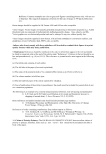
412 JOURNAL OF COSMETIC SCIENCE SKIN DELIVERY METHODS OF CURCUMIN Even though curcumin has several potential applications in many fields, its targeted outcomes are limited by its low hydrophilicity, low bioactive absorption, bioavailability, rapid metabolization, low penetration, and targeted application efficacy (72). Therefore, the careful selection and improvements on the delivery mechanisms of curcumin to the targeted site of action are critical factors to get optimum benefits from curcumin products in combatting skin aging. Several delivery mechanisms including the delivery of curcumin in the form of solvent extracts, as conjugates with other molecules or structures, and using nano-carriers are discussed in this section. CURCUMIN EXTRACTS Several studies have reported that both oral and topical administration of curcumin have enhanced skin antiaging properties. One study revealed that there is a significant difference in C-reactive protein levels, an antiaging inflammatory marker, in rats treated with curcumin at doses of 100 mg, 200 mg, and 400 mg/kg of body weight (73). In addition, this study also showed that oral administration of curcumin daily for 6 months ensured the maintenance of antioxidant capacity and super oxide dismutase at a satisfactory range even in older rats (73), as curcumin exhibits favorable influence in slowing down aging by suppressing age-related changes in inflammatory indices. On the other hand, topical treatment of 2 mg/mL of curcumin in 0.5% carboxymethyl cellulose sodium was reported to exert effective photo-protective effects on UVB-induced hairless mice and immortalized HaCaTs (49). Further, treatment of human skin fibroblasts with low doses of curcumin (20 μM) in dimethyl sulfoxide showed induction of heme oxygenase-1 (HO-1), which led to a protective hormetic effect to further stress responses during cellular aging of the skin (69). Topical formulations of curcumin using hydroalcoholic extract, dry extract, and β-cyclodextrin extract prepared with other ingredients were evaluated for skin permeation and anti-inflammatory activity, where cyclodextrin encapsulation exerted better stability during skin permeation, hence revealing an effective way of using curcumin in antiaging formulations. Moreover, the formulations developed enabled limited penetration of curcumin to the superficial layers of the skin, thus permitting local use as a topical anti- inflammatory (74). CURCUMIN CONJUGATES In order to enhance the delivery efficiency of curcumin for cosmetic applications, formation of curcumin conjugates with other delivery-assisting molecules is an attractive option to overcome the challenges of low water solubility, less bioavailability, and rapid metabolization. For example, curcumin encapsulated in silk fibroin films (silk/cur), which were developed for the study of cell proliferation and regulation of markers, resulted in remarkable antiaging properties when compared to free curcumin (75). Slow release of curcumin is due to the strong binding of curcumin molecules to the beta-sheet domains of silk fibroin. In another study, curcumin encapsulated in bio glass chitosan having a number of compact and well-aligned collagen showed significant DPPH radical antioxidant scavenging activity (91%), which has a potential application for skin health (76). As skin inflammation plays
Purchased for the exclusive use of nofirst nolast (unknown)
From: SCC Media Library & Resource Center (library.scconline.org)