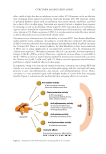
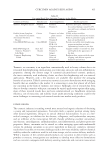
413 Curcumin Against Skin Aging an effective role in skin aging, curcumin micelles prepared with methoxy poly (ethylene glycol) and block-poly (ε-caprolactone) displayed better anti-inflammatory effects than dexamethasone ointments (77). NANO-ENCAPSULATED CURCUMIN Many research studies are focusing on the use of nanocarriers for cosmetic applications. Curcumin delivery via nanocarriers such as nanospheres, nanocapsules, nanoemulsions, etc., has been reported. Nanospheres and nanocapsules: Curcumin nanospheres have been shown to exhibit high antioxidant activities and anti-inflammatory responses (78). Lipid core nanocapsules prepared by the encapsulation of curcumin and resveratrol showed enhanced photo stability and antioxidant capacity (79). Lipid core nanocapsules can be an excellent candidate for skin treatment via codelivery of resveratrol and curcumin when applied topically. Nanoparticles and nanofilms: In another study, silk curcumin nanoparticles (silk/cur NP) have been shown to be superior to free curcumin in retarding cell aging (75). In a study conducted to evaluate dermal penetration, curcumin smart films prepared using printer paper as a matrix and ethanol (96% v/v) as the solvent showed more effective dermal and transdermal penetration of curcumin than curcumin bulk and curcumin nanosuspensions. The result suggests a new dermal penetration mechanism of curcumin for the development of antiaging topical drug products (80). Nanosomes: In a similar study, skin penetration capabilities were evaluated by using the ethanolic curcumin extract loaded to liposomes, ethosomes, and transfersomes. The efficacy of penetration was greater with the extract loaded to transfersomes than to liposomes and ethosomes. These vesicles with better skin penetration have shown improvement in skin properties like skin hydration and sebum content (81). Solid lipid nanoparticles: Curcumin-loaded solid lipid nanoparticles with an average particle size of 134.6 nm and a total drug content of 92.63% were produced using a micro-emulsification technique, where the main focus was to enhance the bioavailability of curcumin and to assess its therapeutic usefulness (82). Another study reported the encapsulation of curcumin into two biodegradable polymeric nanospheres, ethyl cellulose and methyl cellulose, prepared by dialysis. The application of these nanospheres on pig- ear skin revealed a better radical scavenging activity than curcumin. Nanoencapsulation of the light-sensitive curcumin also offers protection from photo degradation and enables curcumin to retain its antioxidant capacity (83). Microemulsions and nanoemulsions: Incorporating curcumin into a microemulsion was reported to improve the antioxidant capacity and reduce UV-induced photo damage during a study conducted using immortalized HaCaT cells (84). Curcumin-loaded coconut oil and honey nanoemulsion was prepared by varying honey (1–3%), virgin coconut oil (1.0–1.5%), and Tween 80 (Croda, Inc., Princeton, NJ, USA) (5.0–9.0%) amounts using phase inversion temperature, a low-energy emulsifying technique. This nanoemulsion was found to have high stability, but the radical scavenging activity of nanoemulsion was lower (20%) than that of free curcumin. However, the nanoemulsion appeared to increase the in vitro release rate of curcumin by about 42%, especially in improving skin permeation and kinetic release (85). A similar study conducted with the preparation of curcumin nanoemulsions

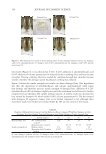
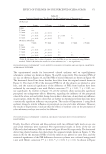
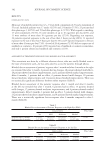
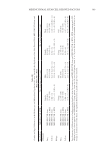
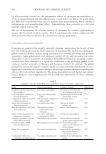
414 JOURNAL OF COSMETIC SCIENCE by ultrasonication focused on the comparative effects of curcumin nanoemulsions in terms of wound healing and anti-inflammatory action. Clove oil, Tween 80 (surfactant), and PEG-400 (cosurfactant) were used to prepare these nanoemulsions, which exhibited inflammatory and wound-healing effects, demonstrating their potential as a safe and nontoxic topical delivery (86). The use of nanocarriers for effective delivery of curcumin for cosmetic applications is an area that has much room to explore. Table I summarizes the studies conducted with nanocarriers for effective delivery of curcumin for cosmetic applications. CURCUMIN IN ANTIAGING COSMETICS Cosmetics are products that amplify, intensify cleansing, and promote the beauty of skin (87), but without affecting the body’s structure or functions. The vital factors driving the global cosmetics market include rising consumer focus toward grooming and personal appearance, rapid urbanization and improved quality of life, and increasing per-capita disposable income of consumers. According to Allied Market Research, antiaging cosmetic products have been identified as a significant contributor to the escalating growth in the cosmetics market, especially in Western and European markets. In addition, the global demand for natural and organic cosmetic products is also increasing significantly, but at a higher pace in developed economies owing to increasing consumer awareness regarding the adverse effects of synthetic ingredients. The rising demand for natural, herbal, and organic beauty products creates opportunities for research and innovations to meet consumer preferences. Table I Summary of Studies Done With Curcumin Nanocarriers for Cosmetic Applications Study Type of nanocarrier Cosmetic benefits Reference #Synthesis and characterization of nanospheres Curcumin nanospheres Increased antioxidant and anti-inflammatory activity (49) Increasing photo stability by nanoencapsulation Lipid core nanocapsules (LNC) Increased photostability and antioxidant activity (79) Comparative study of curcumin nanoencapsulations Silk curcumin nanoparticles (silk/cur NP) Antiaging effects (75) Smart film technology in dermal permeation Curcumin smart films Enhanced dermal penetration (80) Topical formulations for better skin permeation Curcumin liposomes/ transfersomes and ethosomes Better skin permeation (81) Enhancing bioavailability for therapeutic usefulness Curcumin solid lipid nanoparticles (SLN) Enhanced bioavailability (82) Prolonged curcumin activity after UVB irradiation Nanospheres of curcumin Better radical scavenging against photo degradation (54) Protection against UVB- induced cytotoxicity Microemulsion of curcumin Increased antioxidant capacity and reduction of photo-damage (84) Better skin permeation Curcumin nanoemulsion Improved skin permeation and enhanced radical scavenging activity (85) Comparative effects in treatment of inflammation Curcumin nanoemulsion Enhanced anti-inflammatory action (86)
Purchased for the exclusive use of nofirst nolast (unknown)
From: SCC Media Library & Resource Center (library.scconline.org)