260 JOURNAL OF COSMETIC SCIENCE
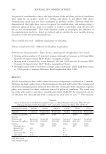
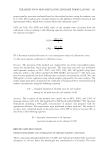
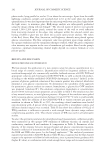
For practical considerations, due to the high volume of the gel phase, gel-in-oil emulsions
were made by an indirect mode (i.e., adding oily phase to gel phase). The direct
emulsification mode had not been attempted in previous studies. Previous work also
demonstrated that high shear was not required for emulsification, and mixing using a
planetary agitation device, such as an anchor or scraper, to gradually wrap the gel with
the oil was recommended.17 This work therefore aimed to investigate the influence of
the emulsification mode (i.e., direct or indirect) and to confirm the most suitable mixing
procedure on the selected formulation base.
Direct emulsification mode. Addition of gel phase to oily phase.
Indirect emulsification mode. Addition of oily phase to gel phase.
Emulsification mixing procedure. Three devices, involving low to high shear, were tested.
• Stirring with an anchor at 75 rpm for 1 minute, followed by 9 minutes at 300 rpm (IKA
Eurostar 60 digital stirrer, IKA® Works, Guangzhou, China).
• Mixing with a serrated disc stirrer between 500 and 1,000 rpm for 10 minutes (IKA
Eurostar 60 digital stirrer, IKA® Works, Guangzhou, China).
• Homogenization with a rotor/stator turbine using a Silverson® L4RT high-shear mixer
at 4,000 rpm for 4 minutes (Silverson, East Longmeadow, MA, USA).
RESULTS
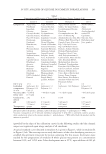
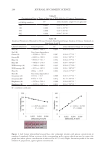
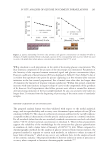
All the formulations were stable under the various temperature conditions at 3 months.
However, the high conductivity of the formulations obtained with serrated disc mixing and
rotor/stator homogenization indicated that defective cream gels with continuous aqueous
phase were obtained in these conditions instead of gel-in-oil emulsions. The result was
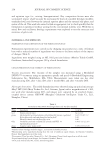
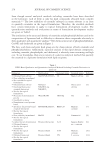
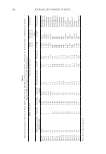
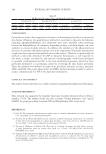
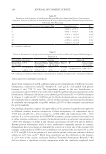
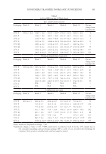
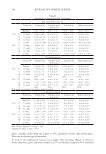
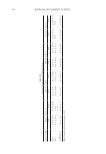
the same with indirect and direct emulsification mode (Table II). As anticipated, gel-in-
oil emulsion was characterized with a conductivity value close to zero.13,14 This outcome
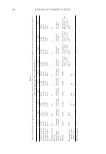
Table II
Effect of Variations of the Manufacturing Procedure on a Fixed Formula Containing: Water 85.40%,
Rheology Modifier 0.80%, Emulsifier 2.00%, Oil 8.00%, Internal Gel Phase 90% (W/W %)
Emulsification mode Indirect Indirect Indirect Direct Direct Direct
Agitation Anchor Serrated disc Rotor/stator Anchor Serrated disc Rotor/stator
Conductivity D1/M1
(μm/cm)
0 ≅453 ≅441 0 ≅440 ≅453
Formula type Gel-in-oil Cream gel Cream gel Gel-in-oil Cream gel Cream gel
Viscosity D1 (mPa·s) ≅104,500 ≅19,600 ≅20,300 ≅99,800 ≅20,500 ≅19,100
Stability Stable Stable Stable Stable Stable Stable
Rheology data NT(g) NT(g) NT(g) NT(g)
Mean G’ (Pa) 430 411
Mean G’/G” 6.7 6.4
Yield stress (Pa) 30.5 31
Rate index 0.46 0.44
g NT: Not tested.
h w/w: Weight/weight
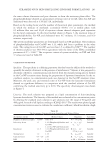
For practical considerations, due to the high volume of the gel phase, gel-in-oil emulsions
were made by an indirect mode (i.e., adding oily phase to gel phase). The direct
emulsification mode had not been attempted in previous studies. Previous work also
demonstrated that high shear was not required for emulsification, and mixing using a
planetary agitation device, such as an anchor or scraper, to gradually wrap the gel with
the oil was recommended.17 This work therefore aimed to investigate the influence of
the emulsification mode (i.e., direct or indirect) and to confirm the most suitable mixing
procedure on the selected formulation base.
Direct emulsification mode. Addition of gel phase to oily phase.
Indirect emulsification mode. Addition of oily phase to gel phase.
Emulsification mixing procedure. Three devices, involving low to high shear, were tested.
• Stirring with an anchor at 75 rpm for 1 minute, followed by 9 minutes at 300 rpm (IKA
Eurostar 60 digital stirrer, IKA® Works, Guangzhou, China).
• Mixing with a serrated disc stirrer between 500 and 1,000 rpm for 10 minutes (IKA
Eurostar 60 digital stirrer, IKA® Works, Guangzhou, China).
• Homogenization with a rotor/stator turbine using a Silverson® L4RT high-shear mixer
at 4,000 rpm for 4 minutes (Silverson, East Longmeadow, MA, USA).
RESULTS
All the formulations were stable under the various temperature conditions at 3 months.
However, the high conductivity of the formulations obtained with serrated disc mixing and
rotor/stator homogenization indicated that defective cream gels with continuous aqueous
phase were obtained in these conditions instead of gel-in-oil emulsions. The result was
the same with indirect and direct emulsification mode (Table II). As anticipated, gel-in-
oil emulsion was characterized with a conductivity value close to zero.13,14 This outcome
Table II
Effect of Variations of the Manufacturing Procedure on a Fixed Formula Containing: Water 85.40%,
Rheology Modifier 0.80%, Emulsifier 2.00%, Oil 8.00%, Internal Gel Phase 90% (W/W %)
Emulsification mode Indirect Indirect Indirect Direct Direct Direct
Agitation Anchor Serrated disc Rotor/stator Anchor Serrated disc Rotor/stator
Conductivity D1/M1
(μm/cm)
0 ≅453 ≅441 0 ≅440 ≅453
Formula type Gel-in-oil Cream gel Cream gel Gel-in-oil Cream gel Cream gel
Viscosity D1 (mPa·s) ≅104,500 ≅19,600 ≅20,300 ≅99,800 ≅20,500 ≅19,100
Stability Stable Stable Stable Stable Stable Stable
Rheology data NT(g) NT(g) NT(g) NT(g)
Mean G’ (Pa) 430 411
Mean G’/G” 6.7 6.4
Yield stress (Pa) 30.5 31
Rate index 0.46 0.44
g NT: Not tested.
h w/w: Weight/weight