282 JOURNAL OF COSMETIC SCIENCE
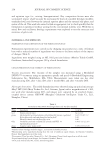
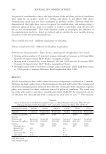
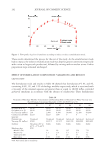
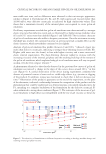
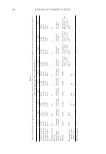
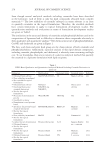
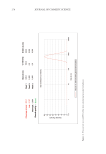
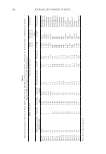
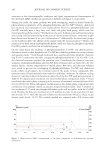
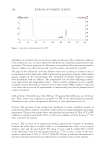
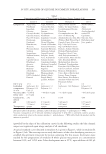
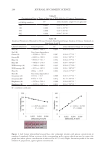
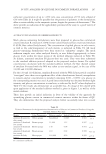
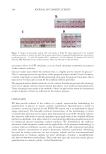
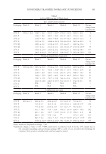
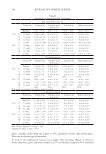
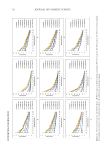
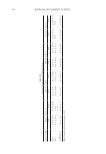
variations in the chromatographic conditions and lipids’ representative chromatogram of
the developed HPLC method are presented in Table II and Figure 3, respectively.
During the study, the major problem was peak overlapping, which is derived from the
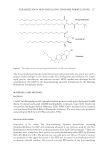
physicochemical similarity of the phosphatidylcholine and Cer-NP.19 Namely, cholesterol
has saturated and unsaturated cyclic hydrocarbons. However, phosphatidylcholine and
Cer-NP similarly have a long fatty acid chain and polar head group, which state the
movement through the column.20 Furthermore, the steric hindrance derived from branching
and cycling indicates partitioning to the pore of column material hence, cholesterol might
have distinctness because of its cyclic hydrocarbons.12 Additionally, the functional groups
on the backbone affect the affinity of the analyte with the stationary phase.12 Herein, the
polarity of the head group on phosphatidylcholine could arise from its phosphate ions while
Cer-NP’s polarity was based on its hydroxyl groups.
On the other hand, the solubility of phosphatidylcholine, Cer-NP, and cholesterol have
differences based on their lipophilicities. Cer-NP has solubility problems in various solvents
and aqueous media.21 Even though cholesterol has a significantly lower lipophilic character
(log P of 8.7) rather than the other compounds (phosphatidylcholine: 12.9, Cer-NP: 12.4),
the chemical structure specified the retention time. Considering the chemical structure
similarity of phosphatidylcholine and Cer-NP, their retention times are expected to be very
similar. Hence, various compositions of mobile phase, flow rates, and injection volumes
were tested to prevent the overlapping of phosphatidylcholine, Cer-NP, and cholesterol
peaks, which could improve the retention times of the peaks of these compounds. The
retention times of lipid materials were studied in different conditions. In addition, tailing
factors (T
f )and the number of theoretical plates (N) of the Cer-NP peak were presented in
Table II. To improve peak resolution, the serial mobile phase composition (trials 1–5) was
tested with the mobile phase consisting of the mixture of methanol: acetonitrile from 60:40
(v/v) to 100:00 (v/v). These subsequent modifications in the mobile phase composition with
a reduction of its polarity caused an increase in lipid retention times. Trial 5 resulted in
low resolution (2.32) with the phosphatidylcholine peak still in conflict with the Cer-NP
peak. Thereby, the flow rate was fixed to be 0.8 mL/min in trials 12–14, and, then 0.5 mL/
min in trials 15–17. Also, the injection volume was decreased from 100 µL to 10 µL, to get
sharper peaks (trials: 12–17). The suitable method was repeated with a C8 column with
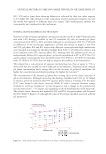
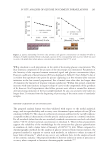
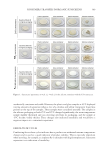
Figure 3. Representative HPLC chromatogram of the lipid components in skin-simulating liposome
formulation.
variations in the chromatographic conditions and lipids’ representative chromatogram of
the developed HPLC method are presented in Table II and Figure 3, respectively.
During the study, the major problem was peak overlapping, which is derived from the
physicochemical similarity of the phosphatidylcholine and Cer-NP.19 Namely, cholesterol
has saturated and unsaturated cyclic hydrocarbons. However, phosphatidylcholine and
Cer-NP similarly have a long fatty acid chain and polar head group, which state the
movement through the column.20 Furthermore, the steric hindrance derived from branching
and cycling indicates partitioning to the pore of column material hence, cholesterol might
have distinctness because of its cyclic hydrocarbons.12 Additionally, the functional groups
on the backbone affect the affinity of the analyte with the stationary phase.12 Herein, the
polarity of the head group on phosphatidylcholine could arise from its phosphate ions while
Cer-NP’s polarity was based on its hydroxyl groups.
On the other hand, the solubility of phosphatidylcholine, Cer-NP, and cholesterol have
differences based on their lipophilicities. Cer-NP has solubility problems in various solvents
and aqueous media.21 Even though cholesterol has a significantly lower lipophilic character
(log P of 8.7) rather than the other compounds (phosphatidylcholine: 12.9, Cer-NP: 12.4),
the chemical structure specified the retention time. Considering the chemical structure
similarity of phosphatidylcholine and Cer-NP, their retention times are expected to be very
similar. Hence, various compositions of mobile phase, flow rates, and injection volumes
were tested to prevent the overlapping of phosphatidylcholine, Cer-NP, and cholesterol
peaks, which could improve the retention times of the peaks of these compounds. The
retention times of lipid materials were studied in different conditions. In addition, tailing
factors (T
f )and the number of theoretical plates (N) of the Cer-NP peak were presented in
Table II. To improve peak resolution, the serial mobile phase composition (trials 1–5) was
tested with the mobile phase consisting of the mixture of methanol: acetonitrile from 60:40
(v/v) to 100:00 (v/v). These subsequent modifications in the mobile phase composition with
a reduction of its polarity caused an increase in lipid retention times. Trial 5 resulted in
low resolution (2.32) with the phosphatidylcholine peak still in conflict with the Cer-NP
peak. Thereby, the flow rate was fixed to be 0.8 mL/min in trials 12–14, and, then 0.5 mL/
min in trials 15–17. Also, the injection volume was decreased from 100 µL to 10 µL, to get
sharper peaks (trials: 12–17). The suitable method was repeated with a C8 column with
Figure 3. Representative HPLC chromatogram of the lipid components in skin-simulating liposome
formulation.