298 JOURNAL OF COSMETIC SCIENCE
any matrix effects in O/W emulsions, even in colored emulsions (commonly encountered
in the cosmetics industry).
Glucose oxidase upon which this method relies, is a highly specific enzyme for glucose.22
This is a prerequisite for the specificity of the proposed analysis method. Even if however,
a matrix component is unspecifically generating color upon the proposed treatment, this is
expected to be taken into account by the standard addition procedure.
The proposed analysis format inside the actual cosmetic formulation presents the advantage
of no use of organic solvents or pretreatment procedures, or of analytical instrumentation.
Those advantages may render it the method of choice in applications where the determined
analytical figures of merit are sufficient for the analysis purpose.
CONCLUSION
We here provide evidence of the validity of a simple, extraction-free methodology for
quantification of glucose in various cosmetic formulations. Quantification is based on
enzymatic conversion of glucose by the POD/GOD system and is accomplished by digital
image colorimetry. The favorable technical characteristics of the methodology in terms
of intermediate precision and accuracy were demonstrated in an O/W emulsion. Glucose
was moreover sufficiently accurately quantified upon application of the standard addition
method on emulsions, even when colored, at concentrations addressing quantification needs
of commercial glucose-containing cosmetic products. We demonstrated the sufficient
robustness of the enzymatic system and the applicability of the proposed methodology in
cosmetic matrices of different viscosity, color, transparency, pH and composition (including
rather extreme concentrations of protein denaturants (ethanol, surfactants)). Abolishing
the need for analyte extraction, for use of organic solvents and for instrumental-based
quantification in emulsion analysis are great advantages, ensuring a straightforward,
and low-cost/low-waste methodology. This study may open the route for routine glucose
quantification in cosmetic, galenic, or food formulations.
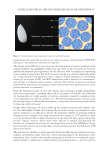
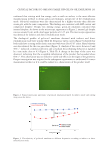
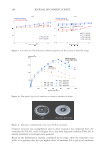
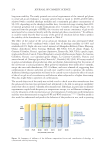
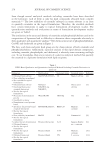
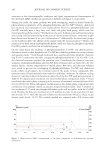
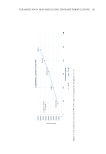
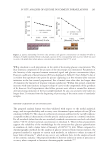
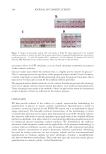
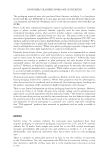
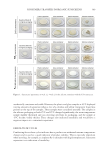
Figure 3. Images of microstrips loaded with each matrix of Table VI, upon application of the standard
addition procedure in conjunction with the proposed assay format. Exogenously added glucose concentration
is indicated (in 10−3 %w/w). B: emulsion B, C: emulsion C (1:1,000 dilution), D: emulsion D (1:10,000
dilution). BEF DIL indicates the cosmetic product before any dilution or other treatment.
any matrix effects in O/W emulsions, even in colored emulsions (commonly encountered
in the cosmetics industry).
Glucose oxidase upon which this method relies, is a highly specific enzyme for glucose.22
This is a prerequisite for the specificity of the proposed analysis method. Even if however,
a matrix component is unspecifically generating color upon the proposed treatment, this is
expected to be taken into account by the standard addition procedure.
The proposed analysis format inside the actual cosmetic formulation presents the advantage
of no use of organic solvents or pretreatment procedures, or of analytical instrumentation.
Those advantages may render it the method of choice in applications where the determined
analytical figures of merit are sufficient for the analysis purpose.
CONCLUSION
We here provide evidence of the validity of a simple, extraction-free methodology for
quantification of glucose in various cosmetic formulations. Quantification is based on
enzymatic conversion of glucose by the POD/GOD system and is accomplished by digital
image colorimetry. The favorable technical characteristics of the methodology in terms
of intermediate precision and accuracy were demonstrated in an O/W emulsion. Glucose
was moreover sufficiently accurately quantified upon application of the standard addition
method on emulsions, even when colored, at concentrations addressing quantification needs
of commercial glucose-containing cosmetic products. We demonstrated the sufficient
robustness of the enzymatic system and the applicability of the proposed methodology in
cosmetic matrices of different viscosity, color, transparency, pH and composition (including
rather extreme concentrations of protein denaturants (ethanol, surfactants)). Abolishing
the need for analyte extraction, for use of organic solvents and for instrumental-based
quantification in emulsion analysis are great advantages, ensuring a straightforward,
and low-cost/low-waste methodology. This study may open the route for routine glucose
quantification in cosmetic, galenic, or food formulations.
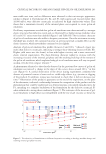
Figure 3. Images of microstrips loaded with each matrix of Table VI, upon application of the standard
addition procedure in conjunction with the proposed assay format. Exogenously added glucose concentration
is indicated (in 10−3 %w/w). B: emulsion B, C: emulsion C (1:1,000 dilution), D: emulsion D (1:10,000
dilution). BEF DIL indicates the cosmetic product before any dilution or other treatment.