302 JOURNAL OF COSMETIC SCIENCE
Per TSA regulations, liquid cosmetics and personal care items are restricted to only 3.4 oz
or less in a passenger’s carry-on bag, while liquids over 3.4 oz are only permitted in checked
baggage.2 Since there are weight limitations and extra fees for checked baggage, travelers
frequently bring only carry-on luggage and, therefore, must abide by the TSA’s carry-on
regulations. Purchasing travel-sized (i.e., 3.4 oz or smaller) products after already purchasing
full-sized cosmetic and personal care products can be expensive and inconvenient, especially
when major retailers such as Walmart and Amazon sell a wide variety of generic travel-
sized containers to transfer products in, often marketing them as “TSA-approved.”
Sunscreens are over-the-counter drugs in the United States that provide photoprotection
against harmful ultraviolet (UV) radiation to prevent sunburn, aging, and skin cancer.
Skin cancer, caused by UV radiation, is the most common cancer in the United States,
affecting more than 9,000 people per day.3 Therefore, daily use of sunscreen is essential,
and sunscreens are often packaged when traveling.
Inorganic sunscreens have gained popularity over chemical sunscreens in the United
States over the past five years due to the combination of legislative changes, safety and
environmental concerns, and content created on social media. Under a recent rule proposed
by the Food and Drug Administration (FDA) in 2019, only zinc oxide (ZnO) and titanium
dioxide (TiO
2 )are considered generally recognized as safe and effective (GRASE) in
sunscreens.4 Inorganic sunscreens have also been gaining traction among social media users,
with over 151.3 million views under hashtags #mineralsunscreen, #inorganicsunscreen, and
#physicalsunscreen on TikTok5, while hashtags #chemicalsunscreen and #organicsunscreen
have 34 million views. Additionally, the term “mineral sunscreen” has been searched up to
376% more on Google than “chemical sunscreen” over the past five years.6
It is crucial that sunscreens maintain their integrity over time and keep their consistency,
aesthetics, and performance the same. While transferring sunscreens to alternative packaging
may seem trendy or convenient when traveling, it may change their overall stability, safety,
and efficacy. The aim of this study was to evaluate and compare the stability, quality, and
performance of inorganic sunscreen emulsions containing ZnO, TiO
2 ,and a combination of
ZnO and TiO
2 as UV filters in plastic (P), glass (G), metal (M), and silicone (S) packaging
during 12 weeks at 2 different temperatures (25°C and 45°C). To our knowledge, this is the
first study that focused on the stability of inorganic sunscreens and evaluated four different
types of packaging.
MATERIALS AND METHODS
MATERIALS
Three commercial sunscreens currently on the market were purchased from
Amazon, including Coppertone® Pure and Simple Kids SPF 50 containing ZnO
in 24.08% (Lot #TN00CD0, Beiersdorf, Stamford, CT), Ombrelle® Kids
Sunscreen Lotion SPF 50+ containing TiO
2 in 15 %(Lot #20W20Z, Garnier,
Montreal, Canada), and Banana Boat® Sport Sunscreen Lotion SPF 50+ containing
ZnO in 4.5% and TiO
2 in 6.5% (referred to as combination, Lot #210425117,
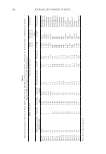
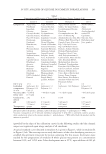
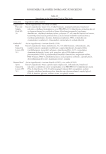
Edgewell, Shelton, CT). Table SI shows the ingredients in each sunscreen. The
intention of selecting sunscreens that were all SPF 50 was to test and compare
sunscreens with the same amount of protection. Additionally, caprylyl methicone
(Dow, Midland, MI) was used to dilute the sunscreen samples to evaluate particle
size.
Per TSA regulations, liquid cosmetics and personal care items are restricted to only 3.4 oz
or less in a passenger’s carry-on bag, while liquids over 3.4 oz are only permitted in checked
baggage.2 Since there are weight limitations and extra fees for checked baggage, travelers
frequently bring only carry-on luggage and, therefore, must abide by the TSA’s carry-on
regulations. Purchasing travel-sized (i.e., 3.4 oz or smaller) products after already purchasing
full-sized cosmetic and personal care products can be expensive and inconvenient, especially
when major retailers such as Walmart and Amazon sell a wide variety of generic travel-
sized containers to transfer products in, often marketing them as “TSA-approved.”
Sunscreens are over-the-counter drugs in the United States that provide photoprotection
against harmful ultraviolet (UV) radiation to prevent sunburn, aging, and skin cancer.
Skin cancer, caused by UV radiation, is the most common cancer in the United States,
affecting more than 9,000 people per day.3 Therefore, daily use of sunscreen is essential,
and sunscreens are often packaged when traveling.
Inorganic sunscreens have gained popularity over chemical sunscreens in the United
States over the past five years due to the combination of legislative changes, safety and
environmental concerns, and content created on social media. Under a recent rule proposed
by the Food and Drug Administration (FDA) in 2019, only zinc oxide (ZnO) and titanium
dioxide (TiO
2 )are considered generally recognized as safe and effective (GRASE) in
sunscreens.4 Inorganic sunscreens have also been gaining traction among social media users,
with over 151.3 million views under hashtags #mineralsunscreen, #inorganicsunscreen, and
#physicalsunscreen on TikTok5, while hashtags #chemicalsunscreen and #organicsunscreen
have 34 million views. Additionally, the term “mineral sunscreen” has been searched up to
376% more on Google than “chemical sunscreen” over the past five years.6
It is crucial that sunscreens maintain their integrity over time and keep their consistency,
aesthetics, and performance the same. While transferring sunscreens to alternative packaging
may seem trendy or convenient when traveling, it may change their overall stability, safety,
and efficacy. The aim of this study was to evaluate and compare the stability, quality, and
performance of inorganic sunscreen emulsions containing ZnO, TiO
2 ,and a combination of
ZnO and TiO
2 as UV filters in plastic (P), glass (G), metal (M), and silicone (S) packaging
during 12 weeks at 2 different temperatures (25°C and 45°C). To our knowledge, this is the
first study that focused on the stability of inorganic sunscreens and evaluated four different
types of packaging.
MATERIALS AND METHODS
MATERIALS
Three commercial sunscreens currently on the market were purchased from
Amazon, including Coppertone® Pure and Simple Kids SPF 50 containing ZnO
in 24.08% (Lot #TN00CD0, Beiersdorf, Stamford, CT), Ombrelle® Kids
Sunscreen Lotion SPF 50+ containing TiO
2 in 15 %(Lot #20W20Z, Garnier,
Montreal, Canada), and Banana Boat® Sport Sunscreen Lotion SPF 50+ containing
ZnO in 4.5% and TiO
2 in 6.5% (referred to as combination, Lot #210425117,
Edgewell, Shelton, CT). Table SI shows the ingredients in each sunscreen. The
intention of selecting sunscreens that were all SPF 50 was to test and compare
sunscreens with the same amount of protection. Additionally, caprylyl methicone
(Dow, Midland, MI) was used to dilute the sunscreen samples to evaluate particle
size.