306 JOURNAL OF COSMETIC SCIENCE
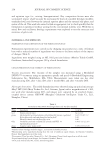
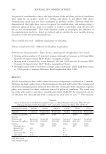
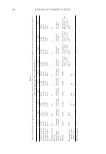
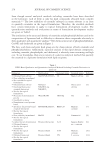
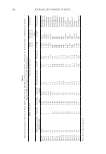
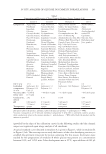
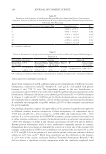
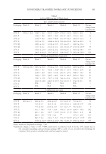
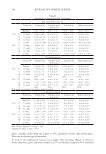
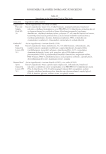
The baseline SPF of the sunscreens in their original packaging was 153.6 ± 8.4 for ZnO,
225.8 ± 10.2 for TiO
2,
and 64.0 ± 1.3 for the combination product (Table I). The SPF
increased over the 12 weeks in all packaging to different extents, with the biggest change
observed in the silicone packaging for all sunscreens. A significant difference from the
baseline SPF measurement indicates that the product may no longer be as effective as
advertised and is unstable. The SPF of the TiO
2
sunscreens was not recorded in silicone
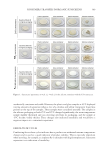
packaging after the baseline measurement because the samples solidified between weeks
0 and 2, preventing the proper spreading of the samples. This is an obvious indication of
instability.
While the percent change in the packaging materials other than silicone is smaller,
variation in SPF can question the product’s integrity.
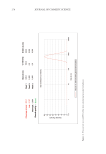
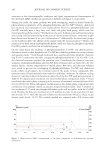
For a sunscreen to claim broad spectrum protection in the United States, it must have
a critical wavelength of at least 370 nm. If the critical wavelength falls below 370 nm
throughout its shelf-life, the consumer loses protection against UV radiation, and therefore
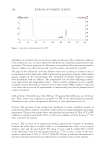
the product is unstable. All three sunscreens in all types of packaging were consistently
above 370 nm over the 12 weeks and were, therefore, stable from a broad-spectrum
protection perspective.
VISCOSITY
Sunscreen emulsions typically display shear-thinning flow behavior, where the
viscosity decreases as the shear rate increases. A significant increase or decrease in
viscosity over time indicates instability and can contribute to its inability to spread or
stay on the skin.
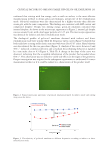
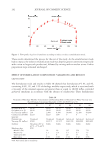
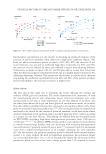
The viscosity of the ZnO, TiO
2
,and combination sunscreens in the plastic, glass, and
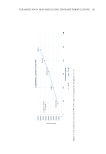
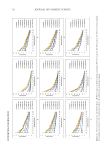
metal containers displayed shear-thinning behavior throughout the testing period
(Figure S1). Samples in the silicone containers were not measured due to product
consistency changes and/or leakage. The viscosity of all samples at 45°C decreased
significantly (p 0.05) however, this is not concerning considering that matter flows
faster at higher temperatures.
SPREADABILITY
The ability to easily spread a product on the skin is another attribute consumers
consider when purchasing sunscreen. When measuring spreadability, four parameters
are analyzed: firmness, hardness, stickiness, and adhesiveness. A product on the market
should be able to maintain these four properties throughout its shelf life, and
significant changes in spreadability can directly affect the consumer’s ability to use a
product properly.
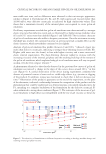
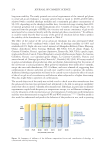
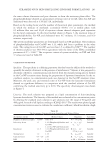
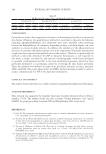
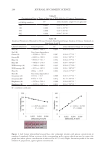
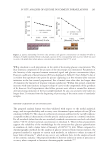
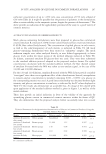
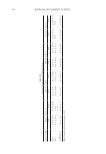
In general, firmness and hardness work done increased for all sunscreens over the 12
weeks at both temperatures (Tables II). Stickiness also increased by the end of the
testing period at both temperatures. Sunscreen transferred into the silicone packaging
had the greatest change in overall spreadability values. Samples at both 25°C and
45°C solidified before the end of the 12-week testing period, making the products not
spreadable and unstable. Additionally, it is important to note that spreadability in the
silicone bottles could not be measured past week 4 at 25°C and week 2 at 45°C as the
formulations were leaking from its packaging. This occurrence, in addition to the
spreadability results, deem silicone an unfit packaging type from a spreadability
perspective.
The baseline SPF of the sunscreens in their original packaging was 153.6 ± 8.4 for ZnO,
225.8 ± 10.2 for TiO
2,
and 64.0 ± 1.3 for the combination product (Table I). The SPF
increased over the 12 weeks in all packaging to different extents, with the biggest change
observed in the silicone packaging for all sunscreens. A significant difference from the
baseline SPF measurement indicates that the product may no longer be as effective as
advertised and is unstable. The SPF of the TiO
2
sunscreens was not recorded in silicone
packaging after the baseline measurement because the samples solidified between weeks
0 and 2, preventing the proper spreading of the samples. This is an obvious indication of
instability.
While the percent change in the packaging materials other than silicone is smaller,
variation in SPF can question the product’s integrity.
For a sunscreen to claim broad spectrum protection in the United States, it must have
a critical wavelength of at least 370 nm. If the critical wavelength falls below 370 nm
throughout its shelf-life, the consumer loses protection against UV radiation, and therefore
the product is unstable. All three sunscreens in all types of packaging were consistently
above 370 nm over the 12 weeks and were, therefore, stable from a broad-spectrum
protection perspective.
VISCOSITY
Sunscreen emulsions typically display shear-thinning flow behavior, where the
viscosity decreases as the shear rate increases. A significant increase or decrease in
viscosity over time indicates instability and can contribute to its inability to spread or
stay on the skin.
The viscosity of the ZnO, TiO
2
,and combination sunscreens in the plastic, glass, and
metal containers displayed shear-thinning behavior throughout the testing period
(Figure S1). Samples in the silicone containers were not measured due to product
consistency changes and/or leakage. The viscosity of all samples at 45°C decreased
significantly (p 0.05) however, this is not concerning considering that matter flows
faster at higher temperatures.
SPREADABILITY
The ability to easily spread a product on the skin is another attribute consumers
consider when purchasing sunscreen. When measuring spreadability, four parameters
are analyzed: firmness, hardness, stickiness, and adhesiveness. A product on the market
should be able to maintain these four properties throughout its shelf life, and
significant changes in spreadability can directly affect the consumer’s ability to use a
product properly.
In general, firmness and hardness work done increased for all sunscreens over the 12
weeks at both temperatures (Tables II). Stickiness also increased by the end of the
testing period at both temperatures. Sunscreen transferred into the silicone packaging
had the greatest change in overall spreadability values. Samples at both 25°C and
45°C solidified before the end of the 12-week testing period, making the products not
spreadable and unstable. Additionally, it is important to note that spreadability in the
silicone bottles could not be measured past week 4 at 25°C and week 2 at 45°C as the
formulations were leaking from its packaging. This occurrence, in addition to the
spreadability results, deem silicone an unfit packaging type from a spreadability
perspective.