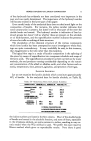
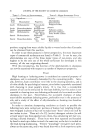
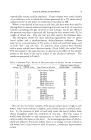
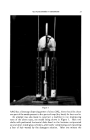
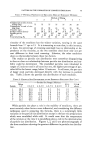
ALKYLOLAMIDES IN SHAMPOOS 29 (21) White, J. W., Jr., [bid., 20, 726 (1948). (22) Sorm, F., et al., Chem. Listy, 46, 55-56 (1952). (23) Rosen, A. A., et al., dnal. Chem., 24, 412 (1952). (24) Meigh, D. F., Nature, 170, 579 (1952). (25) Uno, H., et al., •e. Fermentaton Technol. (yapan), 29, 219 (1951). (26) Siegel, A., and Sch16gl, K. Mikrochemie, yet. Mikrochim. dcta, 40, 383 (1953). (27) Momose, T., and Yamada, A., •e. Pharm. Soc. yapan, 71, 977 (1951). (28) Rice, R. C., Keller, G. J., and Kirchner, J. G., dnal. Chem., 25, 194 (1951). (29) Meigh, D. F., Nature, 169, 706 (1952). (30) Holley, A.D., and Holley, R. W., dnal. Chem., 24, 216-218 (1952). (31) White, J. W., Jr., and Dryden, E. C., Ibid., 20, 853 (f948). (32) Kariyone, T., Hashimoto, Y., and Kimura, M., Nature, 168, 511 (1951). (33) Davenport, J. B., and Sutherland, M. O., Univ..•ueensland Papers, Dept. Chem., 1, No. 39 (1950). (34) Pearl, I. A., and Beyer, D. L., dnal. Chem., 24, 1366 (1952). (35) Marvel, C. S., and Rands, R. D., Jr., •e. din. Chem. Soc., 72, 2642 (1950). (36) Way, R. M., and Gailey, W. R., •e. dssoc. Ojyffcial dgr. Chemists, $4, 726 (1951). (37) Vitte, G., and Boussemart, E., Bull. tray. soc. pharm. Bordeaux, 88, 177-180 (1950). ALKYLOLAMIDES IN SHAMPOOS* By H. L. S^NDV. Us, E. A. KN^66s and O. E. LIBMAN Ninol Laboratories, Inc., Chicago 16, Ill. ALTHOUGH ALKYLOLAMIDE type detergents have been used in sham- poos for many years there has been very little published literature on this subject. As a matter of fact there is very little research information avail- able on any type of shampoo, most of the papers in this field being limited to general discussions of ingredients without any supporting data on per- formance. The present paper is an attempt to describe the role of the alkylolamides in shampoo formulations using experimental data wherever possible. To begin with, a brief description of the alkylolamides, or amine con- densates, may be of interest. This rather unique group of nonionic deter- gents are predominantly complex amides formed from fatty acids and hydroxyamines by a condensation reaction described by Kritchevsky (1) which can be written in simplified form as follows: RCOOH -[- H2NC2H4OH --• RCONHC2H•OHq-H•O Fatty Acid Ethanolamine Alkylolamide In practice, amides, ester-amides, and esters are all formed during this reaction, so that the final products are rather complex combinations. A large variety of these amine condensates are commercially available, depending on the types of fatty acids and alkanolamines used. Table 1 lists a few possible combinations by way of illustration. As can be seen, * Presented at the December 10,1953, Meeting, New York City.

ALKYLOLAMIDES IN SHAMPOOS 29 (21) White, J. W., Jr., [bid., 20, 726 (1948). (22) Sorm, F., et al., Chem. Listy, 46, 55-56 (1952). (23) Rosen, A. A., et al., dnal. Chem., 24, 412 (1952). (24) Meigh, D. F., Nature, 170, 579 (1952). (25) Uno, H., et al., •e. Fermentaton Technol. (yapan), 29, 219 (1951). (26) Siegel, A., and Sch16gl, K. Mikrochemie, yet. Mikrochim. dcta, 40, 383 (1953). (27) Momose, T., and Yamada, A., •e. Pharm. Soc. yapan, 71, 977 (1951). (28) Rice, R. C., Keller, G. J., and Kirchner, J. G., dnal. Chem., 25, 194 (1951). (29) Meigh, D. F., Nature, 169, 706 (1952). (30) Holley, A.D., and Holley, R. W., dnal. Chem., 24, 216-218 (1952). (31) White, J. W., Jr., and Dryden, E. C., Ibid., 20, 853 (f948). (32) Kariyone, T., Hashimoto, Y., and Kimura, M., Nature, 168, 511 (1951). (33) Davenport, J. B., and Sutherland, M. O., Univ..•ueensland Papers, Dept. Chem., 1, No. 39 (1950). (34) Pearl, I. A., and Beyer, D. L., dnal. Chem., 24, 1366 (1952). (35) Marvel, C. S., and Rands, R. D., Jr., •e. din. Chem. Soc., 72, 2642 (1950). (36) Way, R. M., and Gailey, W. R., •e. dssoc. Ojyffcial dgr. Chemists, $4, 726 (1951). (37) Vitte, G., and Boussemart, E., Bull. tray. soc. pharm. Bordeaux, 88, 177-180 (1950). ALKYLOLAMIDES IN SHAMPOOS* By H. L. S^NDV. Us, E. A. KN^66s and O. E. LIBMAN Ninol Laboratories, Inc., Chicago 16, Ill. ALTHOUGH ALKYLOLAMIDE type detergents have been used in sham- poos for many years there has been very little published literature on this subject. As a matter of fact there is very little research information avail- able on any type of shampoo, most of the papers in this field being limited to general discussions of ingredients without any supporting data on per- formance. The present paper is an attempt to describe the role of the alkylolamides in shampoo formulations using experimental data wherever possible. To begin with, a brief description of the alkylolamides, or amine con- densates, may be of interest. This rather unique group of nonionic deter- gents are predominantly complex amides formed from fatty acids and hydroxyamines by a condensation reaction described by Kritchevsky (1) which can be written in simplified form as follows: RCOOH -[- H2NC2H4OH --• RCONHC2H•OHq-H•O Fatty Acid Ethanolamine Alkylolamide In practice, amides, ester-amides, and esters are all formed during this reaction, so that the final products are rather complex combinations. A large variety of these amine condensates are commercially available, depending on the types of fatty acids and alkanolamines used. Table 1 lists a few possible combinations by way of illustration. As can be seen, * Presented at the December 10,1953, Meeting, New York City.
Purchased for the exclusive use of nofirst nolast (unknown)
From: SCC Media Library & Resource Center (library.scconline.org)