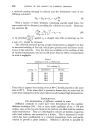
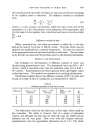
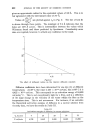
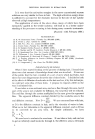
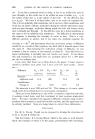
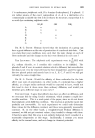
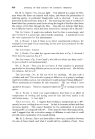
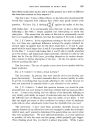
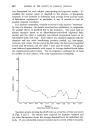
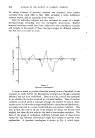
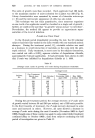
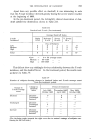
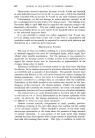
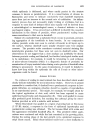
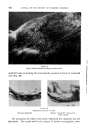
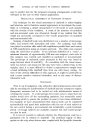
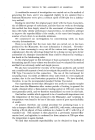
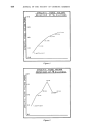
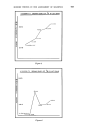
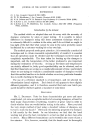
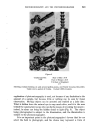
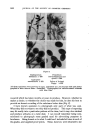
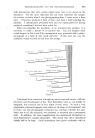
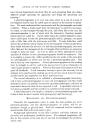
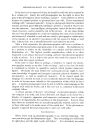
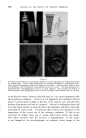
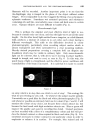
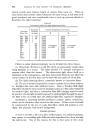
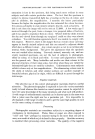
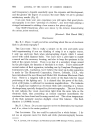
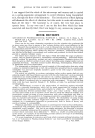
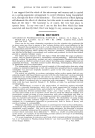
MODERN TRENDS IN THE ASSESSMENT OF SHAMPOOS 635 volume readings at different beating times, we use a standard beating time and extend the number of dilutions tested, keeping the soil level constant. This differentiates the products which are likely to be unsatisfactory as foaming agents under heavy soil loads. Naturally the above tests do not give an answer as to whether a shampoo is acceptable or not, but salon testing time is saved by the use of this pro- cedure. We believe we can now predict whether or not a product will give an acceptable lather volume when used in the salon under normal testing conditions. We have considered the advisability of carrying out the Standard Labora- tory Shampooing technique (5) where hair which has been solvent-degreased, and resoiled with a standard amount of soil is wetted and shampooed. This type of test appears to be extremely useful but somewhat time-consuming. We believe it is preferable to produce foam from the shampoo and added soil, using a Mixmaster, as this eliminates the problem of contamination of the foam with hair and subsequent difficulty in the assessment of the foam's physical properties. Various retail shampoos have been tested, and we find the following average figures for specific foam volume and foam viscosity for the various dilutions. Table I Concentration 25.00% 12.50% 6-25% Specific Foam Volume 13'9 12.2 7'8 Foam Viscosity 30.7 23.5 16.5 It must be emphasized that the figures in Table I apply to the tests carried out in our own laboratory, using the particular type of soil obtained by extraction of hair, as described above. It is also possible that while these figures may not be exactly reproducible when using soil extracted from the hair using alternative solvents, the general pattern of results should be none-the-less valid. The test method described has been used to test a range of products using triethanolamine lauryl sulphate as the control, and Figs. 1, 2, $ and 4 show the effect of adding coconut diethanolamide to a solution containing 17.3% triethanolamine lauryl sulphate active matter, on foam viscosity and specific foam volume. Unfortunately there does not seem to be a quantitative relationship between foam viscosity and specific foam volume figures, compared with results obtained in the salon. There is no doubt that these figures can be used as a guide in selecting formulations worthy of further salon testing. (Received: 6th March 19•l.)

636 JOURNAL OF THE SOCIETY OF COSMETIC CHEMISTS 14'0 SPECIFIC FOAM VOLUME BEHAVIOUR OF I• DILUTIONS 13'0 12'0 I1'0 CO• '1' C DE • 2'/. tOE ß TL405TRAIGHT I0.0 Figur• I 2.0 SPECIFIC FOAM VOLUME BEHAVIOUR OF I/8 DILUTIONS 3'/.C O E I'0 •.c•. c o • 0.0 coE (•'0 i T L40STRAIGHT sZco• 8'0 Figur• oe
Purchased for the exclusive use of nofirst nolast (unknown)
From: SCC Media Library & Resource Center (library.scconline.org)