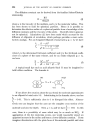
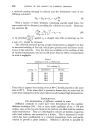
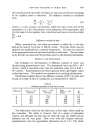
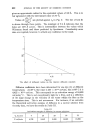
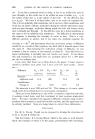
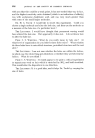
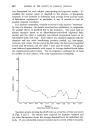
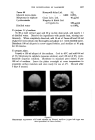
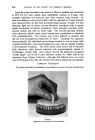
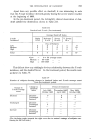
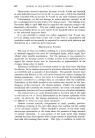
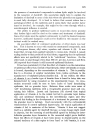
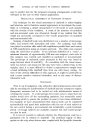
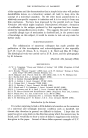
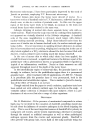
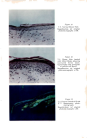
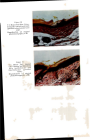
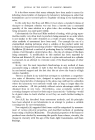
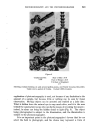
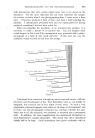
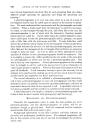
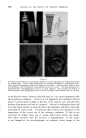
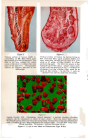
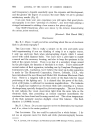
642 JOURNAL OF THE SOCIETY OF COSMETIC CHEMISTS Assistant holding lineoverlap of Skin of Mouse. Figure I Section of Skin of Mouse x 75 Original specimen 10 mm in length, recorded on nine exposures enabling the scientist to view the subject from end to end at a magnification of XI00. These nine exposures were enlarged to an overall length of 15ft. and exhibited at Europhot., Cologne in 1961. Data. 25 mm objective x 8 eyepiece 12" bellows extension Filter--nil Emulsion Kodak 0.250 Specimen stained by Gridleys' Brown. Three coloured slides of this subject were shown demonstrating the value of staining in con- junction with photography when using both colour and black and white emulsions. of a problem is pursued by comparison, partical size measurement, dissolu- tion, growth and behaviour (Fig. oe), and in many instances the technical

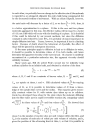
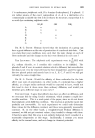
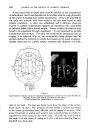
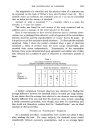
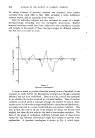
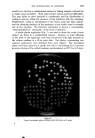
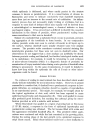
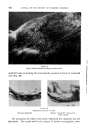
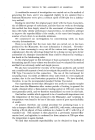
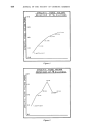
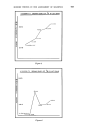
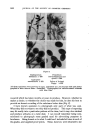
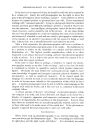
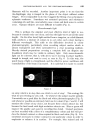
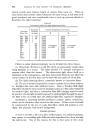
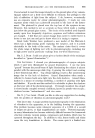
PHOTOMICROGRAPHY AND THE PHOTOMICROGRAPHER 643 Figure oe Crystal Growth Hair of Bat x 31 $ x 55 Hair of Mouse x 315 T/S Hair of Elephant x6 Showing crystals forming on and around pollen grains, and finally incasing the pollen. Taken over a period of 3 mins. Kodak 0.250 emulsion. application of photomicrography is used, not because of any limitation in the amount of a sample, but because little or nothing can be seen by visual observation. Movir/g objects can be arrested and studied at a later date. What is hidden from the natural eye is very much alive, and it is the man behind the camera/microscope who can be the means of revealing the unseen indeed, he alone can bring the hidden detail to light (Fig. 8). The object being photographed is. subject to the illumination, and the illumination is subject to the photomicrographer. It is an important point in the photomicrographer's favour that he can select the field to photograph, and his choice may represent a form of
Purchased for the exclusive use of nofirst nolast (unknown)
From: SCC Media Library & Resource Center (library.scconline.org)