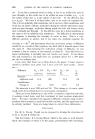
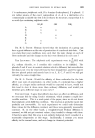
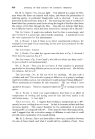
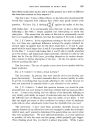
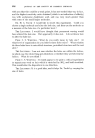
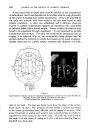
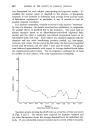
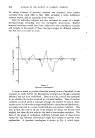
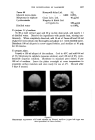
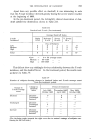
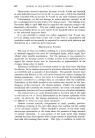
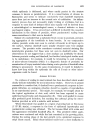
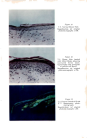
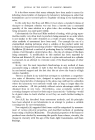
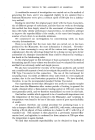
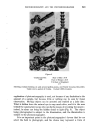
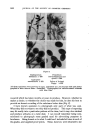
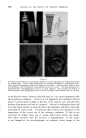
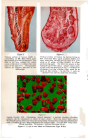
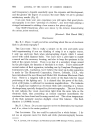
644 JOURNAL OF THE SOCIETY OF COSMETIC CHEMISTS Figure $ Gladosporium Penicillium herbarum x 450 brevicompactum and spores x 300 Aspergillus amstelodami x 450 Pollen of Iceland Poppy. x 450 All three specimens were growing on agar, positioned on a microscope slide and photo- graphed in their natural state--unstained. Photographed on orthochromatic material with blue filter. research which has taken months or years to produce. However, whether he makes a choice, or whether the choice was made for him, he does his best to provide an honest recording of the substance before him {Fig. oe). I have known operators to photograph only part of what was seen. What they did not want to see they did not produce. This type of reporting may fit neatly into a particular pattern at the time, but it may also mislead and produce setbacks at a later date. I can myself remember being com- missioned to photograph some graded sand for advertising purposes in brochures. Being honest as to what I could see I included all sizes in each of the grades, and supplied proof prints. These, however, were returned to me

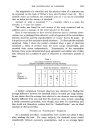
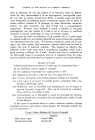
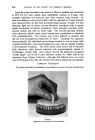
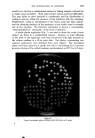
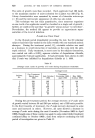
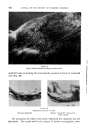
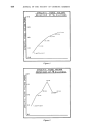
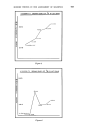
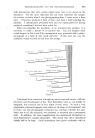
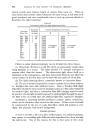
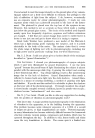
PHOTOMICROGRAPHY AND THE PHOTOMICROGRAPHER •3z15 with instructions that only certain ringed areas were to be shown in the brochures. Yet the areas indicated did not truly represent the sample. On another occasion when I was photographing flour, I came across a flour mite. I therefore produced a field of flour, and then a field including the intruder. I subsequently presented both and was reprimanded for having produced something I had not been asked for. When investigating the possibility of an intramuscular product, it is necessary to make a picture of its particle size. Can you imagine what would happen in this event if the management were presented with a photo- micrograph of a field of only small particles? If this were the case the antibiotic would not find an exit from the syringe. ?HOTOY. I CROGRAPH?R P-•CTER! OLO•'V DEVELO ?L'ENT S Cf_LE PILOT PLANT •CALE CHE?,!ICAL PILOT PLANT P•ODUCTION RFSEARCH (Tableting, orsl, intramu.•cu!ar) CLIYI CAL TR I.•J•S __ PLANT PRODUCTION [__ END PRODUCT Figure 4 I am proud to be connected, through my microscope and camera, with the discovery and development of the "New Penicillins" and, as can readily be imagined, this research has in fact taken several years. In such a vast programme, photomicrographs were taken at all stages of development, and in every case the photographic technique was constant, whether the anti- biotic was in oil, dry mounted, wet mounted, or mounted into a permanent slide. In addition, the same magnification was maintained throughout as each department's samples demanded. This meant that strict operational details had to be kept. Could automation have given continuity with at
Purchased for the exclusive use of nofirst nolast (unknown)
From: SCC Media Library & Resource Center (library.scconline.org)