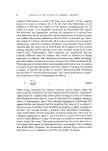
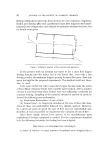
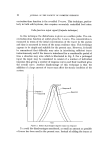
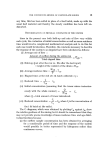
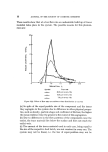
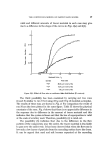
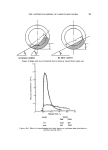
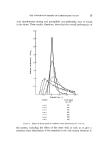
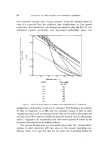
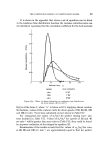
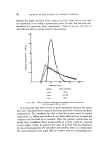
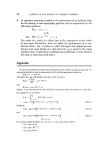
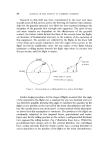
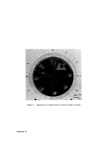
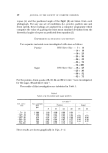
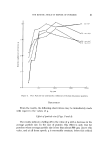
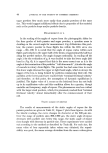
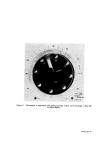
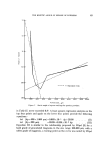
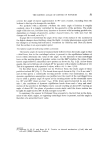
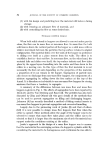
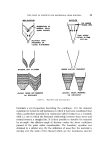
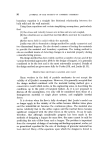
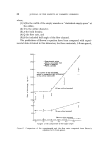
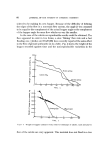
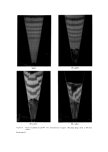
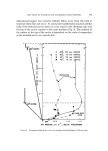
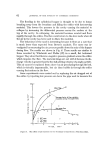
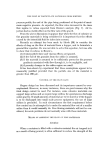
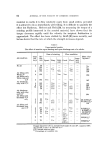
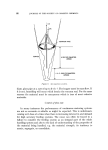
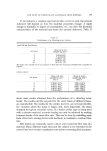
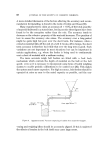
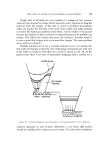
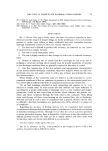
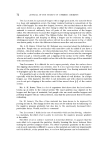
THE CONTINUOUS MIXING OF PARTICULATE SOLIDS 21 I ! I .....:.•:.•.• I ' .. •:•i!!..::::::•!f"•7"" "•' :' '"• •0 Dynamic condition {b} Static condition Figure 5 Shape and size of material bed in drum as viewed from outlet end 2-5 2.0 0-5 I 0-5 Symbol I 1.0 1'5 2'0 Reduced time, t R System Feed Tracer **e Sand Salt • Salt Sand Figure 6(a) Effect of interchanging feed and tracer on residence time distribution (at flow rate 7g 15s-l).

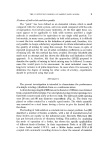
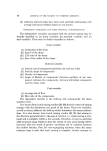
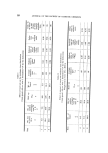
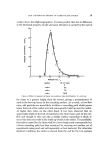
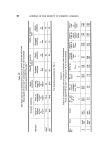
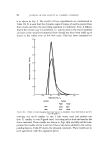
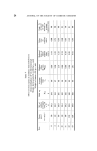
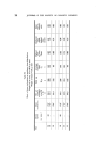
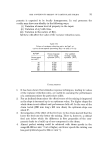
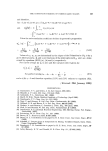
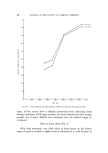
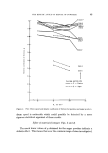
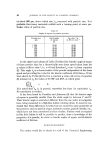
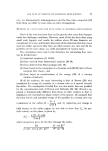
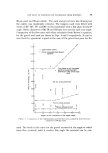
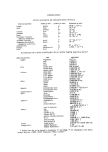
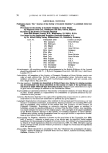
JOURNAL OF THE SOCIETY OF COSMETIC CHEMISTS is as shown in Fig. 5. The results of these experiments are summarised in Table III. It is seen that the dynamic angle of repose of sand is greater than that of salt and thns the preceding argument is confirmed. Now, it follows that if the reverse case is considered, i.e. sand is used as the tracer material and salt as the usual feed material there should not have been build up of tracer at the outlet even at low flow rates. This has been examined by 3.5 3-0 2.5 0.5 0 0-5 •.0 I-5 2.0 2.5 Reduced time, t R Symbol System Feed Tracer ß -o- Sand Salt -•m Salt Sand Figure 6(b) Effect of interchanging feed and tracer on residence time distribution (•t flo•v rate 30 gl$s-•) carrying out run 6 similar to run 1 (the worst case) and another run (run 7) similar to run 3 (good case) but using salt as feed and sand as the tracer material. These results are shown in Figs. 6(a) and 6{b) and for com- parison the results of run 1 and run 3 have also been plotted in the corres- ponding figures, Table IV shows the physical constants. These results are in good agreement with the argument given.
Purchased for the exclusive use of nofirst nolast (unknown)
From: SCC Media Library & Resource Center (library.scconline.org)