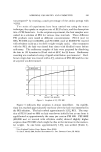
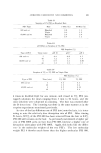
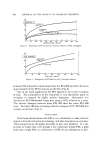
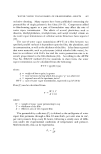
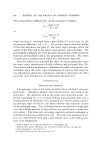
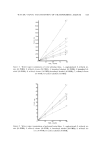
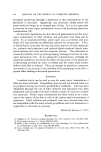
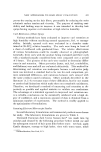
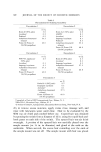
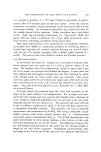
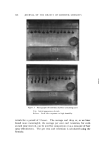
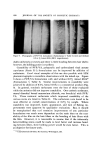
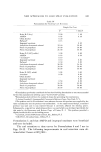
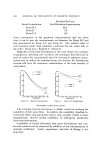
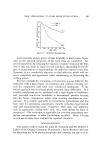
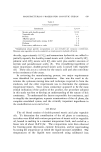
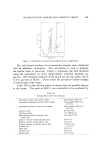
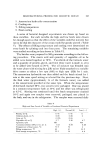
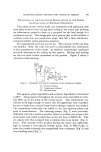
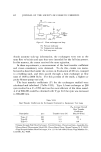
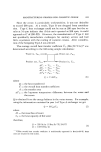
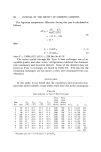
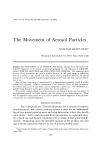
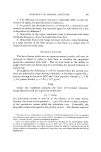
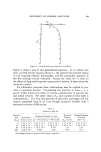
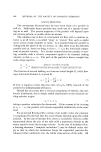
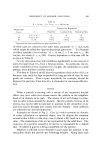
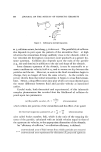
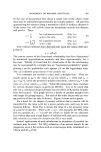
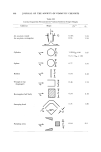
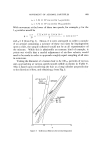
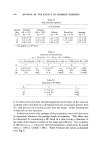
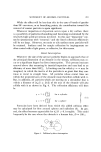
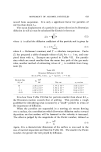
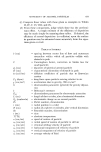
¾VATER VAPOl{ TRANSMISSION OF FILM-FORMING AGENTS 613 11oo lOOO 9oo 8oo 7oo 6oo 5oo 4oo 2oo lOO o / / 24 48 72 cuB' TIME, HOURS 1,'igure 2. Water vapor transmission of ethyl cellulose films. 1, unplasticized 2, tributyl cit- rate (10 PHR) 3, tributxl citrate (20 PItR) 4, hexadecyl alcohol (10 PHR) 5 hexadecyl al- cohol (20 PHR) 6, tribtu)l citrate (10 PHR)/hexadecyl alcohol (10 PHR) 7, tributyl citrate (15 PHR)/hexadec¾1 alcohol (15 PHR) 45 40 85 [ •o • •o 15 10 5 24 48 72 96 TIME, HOURS Figure 3. Water vapor transmission of polyamid resin fihns. 1, unplasticized 2, tributyl cit- rate i10 PHR) 3, tribut)l citrate (20 PHR) 4, hexadecyl alcohol (20 PHR) 5, tributyl cit- rate (10 PHR)/hexadecyl alcohol (10 PHR)

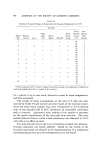
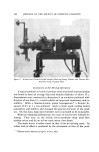
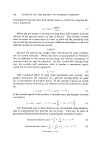
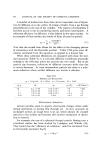
614 JOURNAL OF THE SOCIETY OF COSMETIC CHEMISTS hexadecyl alcohol go through a minimum as the concentration of the plasticizer is increased. Apparently, any plasticizer added above this point would no longer be an integral part of film. It is at this point that an increase in water vapor transmission occurs with increasing plasticizer concentration (12). An alternate explanation for this observed phenomenon for the water vapor transmission of ethyl cellulose and polyamid resin films can be given. In an unplasticized film, water vapor acts as permeant and plas- ticizer (17) and provides an additional pathway for permeation. There is dipole-dipole attraction between ,the polar portion of bo.th molecules (i.e., polymer and plasticizer) and induced dipole-induced dipole inter- action between the polar and the nonpolar portion. The plasticizer in- creases the mobility of the polymer grouping, causing an increase in water vapor permeation (18). At low plasticizer concen. tra•tions, although the segmental mobility is increased, the effect of interaction of the plasticizer in decreasing solvation by water is evident and the water vapor perme- ability of the film is reduced. Thus, an increase in plasticizer concentra- tion resul.ts in an increase in the mobility of the groupings in the film in greater effect leading to increased permeation. SUMMARY A method which can be used to vary the water vapor transmission of films has been indicated. Depending upon the end use desired, films can be prepared having the desired permeability coefficient. This has been illustrated through the use of ethyl cellulose and polyamid resin films plasticized with hexadecyl alcohol, tributyl citrate, or mixtures of these two materials. Water vapor transmission has been noted to be a func- tion of the nature of the film as well as the nature and concentration of plasticizer. Ethyl cellulose and polyamid resin were selected since they are compatible with the usual aerosol propellants and lend themselves to application to the body by spraying. (Received January 7, 1972) REFERENCES (1) Wallgren, G. R., Plastics as surgical dressing, Ann. Chir. Gynaecol. Fenn., 43, 279 (1954). (2) Fluid surgical dressing, U.S. Patent 2,804,073 (1957). (3) Miller, J. M., Grinberg, M., McElfatrick, G. E., and Shonberg, I. L., Use of plastic film as a dressing for wounds, Arch. Surg., 82, 326 (1961). (4) Anon., Aerosol spray for surgical emergencies in war and peace, Soap Chem. Spec., 43, 183 (Aug. 1967).
Purchased for the exclusive use of nofirst nolast (unknown)
From: SCC Media Library & Resource Center (library.scconline.org)