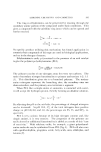
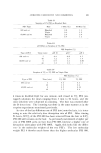
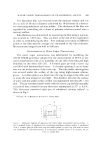
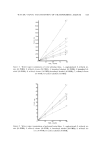
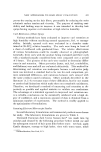
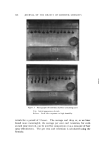
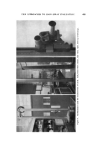
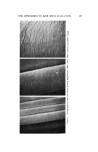
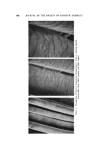
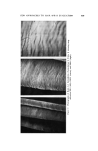
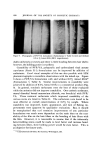
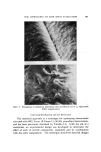
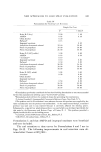
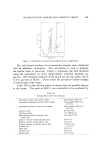
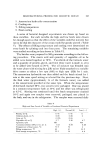
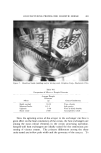
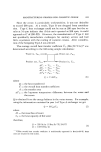
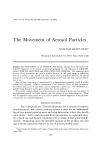
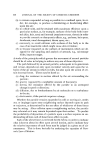
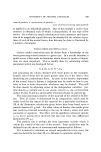
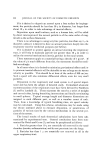
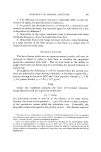
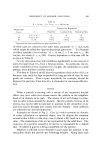
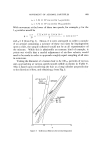
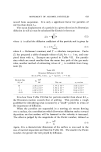
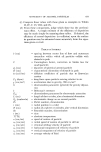
NEW APPROACHES TO HAIR SPRAY EVALUATION 631 o• -• •.,z,• _ .. ß ,Y, '.• •::•' • oe• ..?'. . •.. • • ,- •. . ...... •:.. ..g .. -• .•. • -- .... v. ....... .... • ' :' ..k" ..:•"'•:•7• "' •:.-• •&•: - .. ......... :. •..• ...• :...:.. ........... :y• - . • .. • .$,•.•..?..., •,:. . . ?w :. Figure 9. Photographs of commercial fomulation with and without 0.2 wt % A•mul 651K (1200 X magnification) Statistical Evaluation o[ Curl Retention The statistical approach as a technique for optimizing concentrates was used with 60% Freon 12 / Freon 11 (50/50) propellant .formulati0ris, and has been previously described by Takada (14), With the'-aid of. a statistician, an experimental design was developed to determine the effect of each of several components, separately and-in combination with the. other•..c•mp0nents. The technique (two-level factoria!-.design)

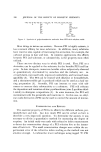
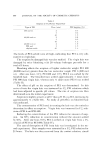
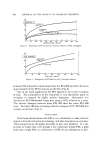
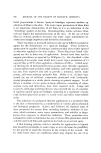
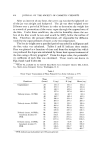
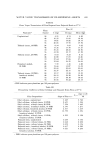
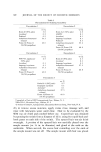
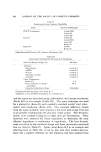
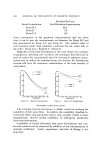
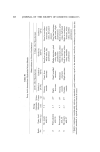
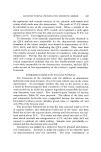
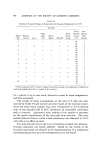
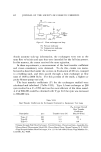
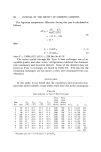
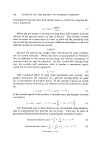
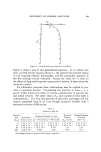
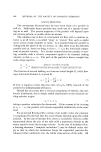
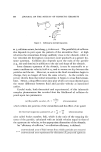
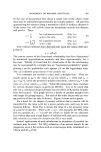
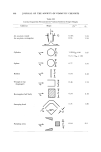
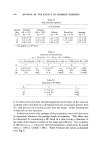
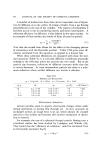
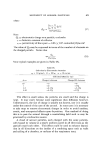
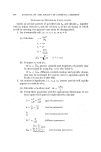
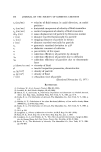
632 JOURNAL OF THE SOCIETY OF COSMETIC CHEMISTS Table II Surfactants Giving Improved Coatability Resin PVP/VA copolymer Resin D Resin R-1 _ Atlas Chenficals Division, ICI America, Wilmington, Del. Nonionic Surfactants • Atmul 651K Arlacel 85 Atmos 300 Arlacel 85 Atmul 651K Atpet 100 Renex 35 G-1096 Renex 35 Table III Concentrate Optimization for Resin R-2 Formulation Two-level factoriM design (25) Additives: Oleyl alcohol AMPD a Perfume Isopropyl myristate Acetulan b Other Components: Resin P,-2 Freon 12/Freon 11 (50/50) propellant Denatured anhydrous ethanol Commercial Solvents Corp., New York, N.Y. Amercho1, a Unit of CPC International, Inc., Edison, N, J. Per Cent 0 and 0.4 0 and 0.2 0 and 0.5 0 and 0.4 0 and 0.4 1.5 60.0 Remainder and the results are described using carboxylated vinyl acetate terpolymer (Resin R-2) as an example (Table III). The same technique was used for a polyacrylic (Resin D) and a partially ester/fled methyl vinyl ether/ maleic acid copolymer (Resin G-2). Five common additives, chosen from the many available, were tested at a low level and a high level and in all possible combinations (2 •) plus four center points. The 36 formu- lations were evaluated using six or eight curls per formulation. These factorials were analyzed (by linear regression) to determine the most effective ingredient or combinaton of ingredients. The best formula- tions arrived at by the statistical design and those previously considered best are listed in Table IV. Again, using Resin R-2 as an example and referring back to Table Ill, it can be seen that oleyl alcohol and per- fume had a negative influence on curl retention and were omitted from
Purchased for the exclusive use of nofirst nolast (unknown)
From: SCC Media Library & Resource Center (library.scconline.org)