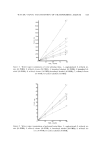
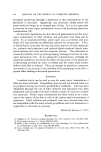
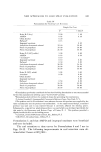
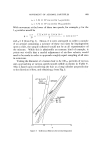
NEW APPROACHES TO HAIR SPRAY EVALUATION 625 .',,•! %. .... .:: •? •...• ..... --•, s • • ..... •,•. • • - ß. ß . ::(...•,........s/.• • .• . '. ß ....... .. :. • ............... .: •½• • •½, • /.. ,•,.•,.. ¾¾•F •.• •.. ß ' '.v:.. '. :. ß • .}:' .-,..•x• . •* .::• ..•.... ..,.. .:•, •4 .......... .. : :"?',: ....:,***..e•a• :,,::,.,xx ......... ,•' :'.:::..:•.• . ".:?:.',• ...... %, ...:."_'.

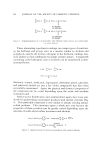
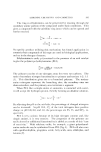
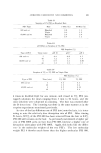
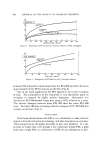
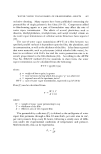
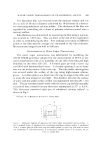
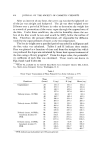
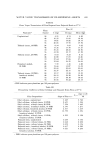
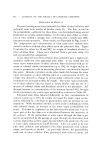
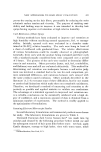
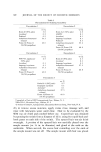
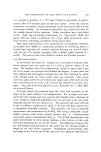
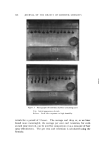
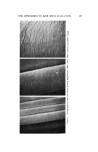
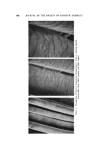
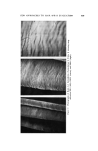
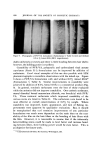
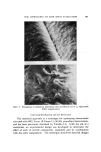
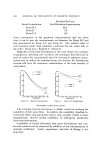
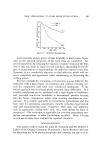
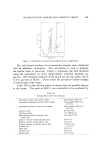
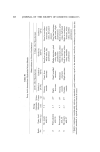
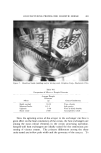
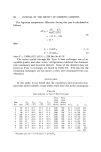
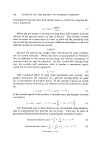
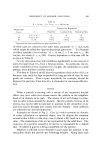
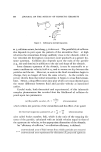
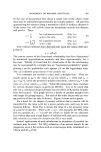
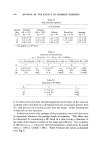
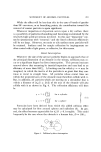
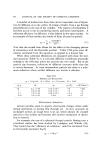
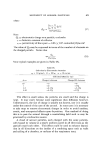
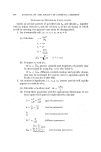
626 JOURNAL OF THE SOCIETY OF COSMETIC CHEMISTS per cent curl retention -- L -- Lt X 100 L -- L0 where: L --- length of hair fully extended (18 cm) Lo • length of hair before exposure Lt • length of hair after exposure at time (t). In both the regression analyses and the analyses of variance, the per- centage curl retention data were transformed to logarithms, using the logo [p/(1 -- p)] transformation, where p is the fraction of curl retention after 3 hours. This transformation was necessary to ensure that the variation in curl retention would be independent of the level of curl retention. During comparison of the formulations with one another, average values for the curl retention were used and differences were vali- dated by the t-test using a "t" value which assured 9570 confidence that a real difference existed. RESULTS Scanning Electron Microscopic Studies of Coatability The scanning electron microscope (SEM) allows inspection of actual hair fibers at high magnifications at a very great depth of focus. A large sample can be examined in a short time and photographs can be taken of those portions of the sample which truly represent the whole sample. These advantages for examining hair are not possible with the optical or transmission electron microscopes for reasons previously described. Fig- ures 5-9 are typical examples of the information the SEM can provide. Figure 5 shows photographs of clean Euroepan hair at magnifications of 300, 1000, and 3000. Generally, magnifications of approximately 3000 and 1000 were found to be the most useful. Higher magnifications (30005() show too small an area of a single hair fiber lower magnifica- tions (1005() show many hair fibers, but give little detail of the coating. Figure 6 shows the coating from a typical partially hydrolyzed acrylic polymer (Resin D) formulation (Formulation 1, Table I). As can be seen, the coatability, leveling, and adherence on and between hair shafts are good. This results in improvement of luster, appearance, and lack of flaking when observed with the naked eye. Figure 7 shows a typical partially esterified methyl vinyl ether/maleic acid copolymer (Resin G-l) formulation coating (Formulation 2, Table I). It does not coat the hair
Purchased for the exclusive use of nofirst nolast (unknown)
From: SCC Media Library & Resource Center (library.scconline.org)