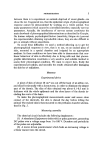
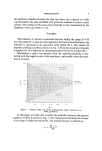
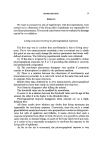
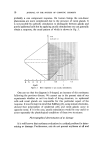
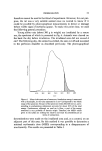
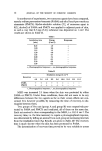
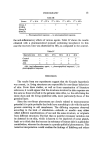
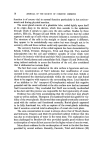
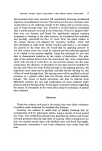
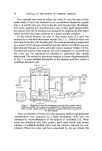
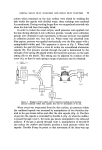
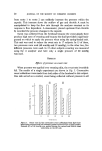
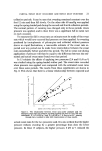
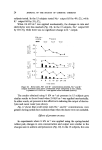
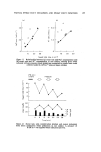
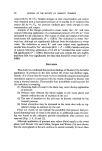
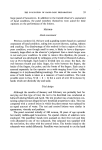
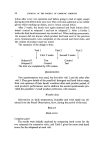
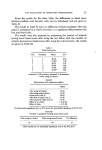
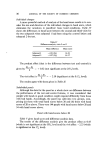
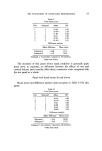
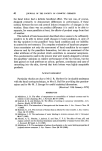
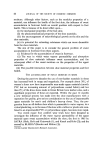
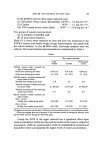
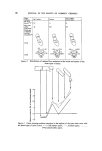
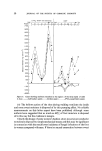
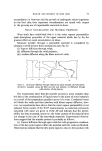
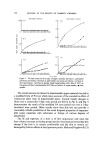
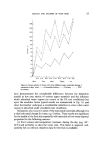
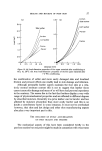
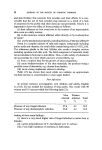
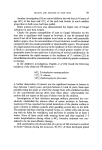
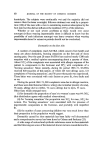
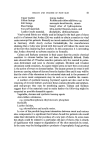
24 JOURNAL OF THE SOCIETY OF COSMETIC CHEMISTS subjects tested. In the 15 subjects tested Na + output fell by 49•2•o while K + output'fell by 354-3•. When 2.4 kN m -• was applied mechanically, the changes in rate and electrolytes were less marked (Fig. 10). In the 15 subjects, Na + output fell by 104-3•o while there was no significant change in K + output. 2% pilo- carpine P ressure 0 -..-.. 0 •o_._-o Time (rain) Figure ]0. Sweat rates, Na + and K + concentrations (circles), Na + and K + outputs (columns) from seven consecutive sweat collections in one subject. A pressure of 2.4 kN m -a was applied where indicated (arrows). The results obtained using 8 kN m-* air pressure in 15 subjects gave similar results to those found when 2.4 kN m -• was applied mechanically. In other words, air pressure is less effective in reducing the output of electro- lytes and sweat water (see above). Fig. 11 shows that at all sweat rates Na + and K + concentrations were greater during partial duct occlusion than when the ducts were not occluded. Effects of pressure on urea In experiments where 8 kN m -a was applied using the spring-loaded rubber pad, changes in urea concentration and output were similar to the changes seen in sodium and potassium (Fig. 12). In the 15 subjects, the urea

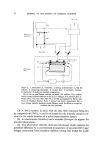
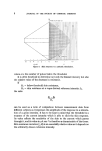
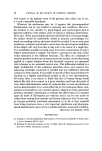
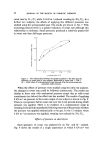
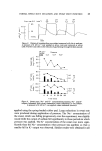
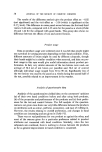
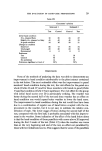
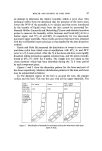
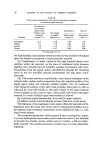
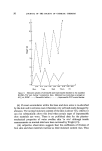
PARTIAL SWEAT DUCT OCCLUSION AND SWEAT DUCT FUNCTION 25 4O (a) (b) • 20 o ---' 8.0 - + 4.0 0 7 ' l .... I I ._ 0 I __ l I0 20 30 I0 20 30 Sweat rate (rag 4 min q) Figure 11. Relationship between (a) sweat rate and Na + concentration and (b) sweat rate and K + concentration in one subject. Results from sweat collected without pressure (black circles) are compared to results from sweat collected under 2.4 kN m -2 pressure (open circles). 2% pilo- carpine Pressure • 60 • 40 D 20 1,1,, 4 8 12 16 20 24 28 Time (min) Figure 12. Sweat rate, urea concentration (circles) and output (columns) from seven consecutive sweat collections in one subject. A pressure of 8 kN m-" was applied where indicated (arrows).
Purchased for the exclusive use of nofirst nolast (unknown)
From: SCC Media Library & Resource Center (library.scconline.org)