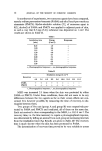
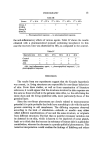
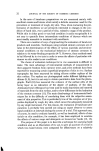
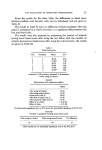
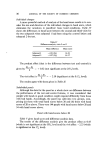
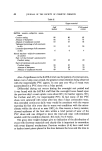
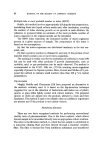
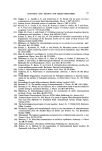
46 JOURNAL OF THE SOCIETY OF COSMETIC CHEMISTS Table II Upper material Calf PVC-coated leather Corfam cotton SATRA wearers--subjective assess- ments. Comfort rating 88 Absence of dampness 92 Absence of unpleasant warmth 83 Tightness (percentage of all comments on fit) 13 Looseness (percentage of all comments on fit) 6 School teachers--subjective assessments of comfort Part 1 of trial ('simple' questionnaire) Conffort rating 82 Part 2 of trial (improved questionnaire) Comfort rating 86 Absence of dampness 79 Absence of unpleasant warmth 89 80 65 73 73 65 58 13 26 6 4 68 40 63 34 49 30 74 50 Also of significance in the SATRA trial was the pattern of sweat accumu- lation over a 5-day wear period, the greatest sweat retention being observed with the impermeable PVC uppers. In one case over 40 g of sweat were accumulated in a PVC shoe over a 5-day period. Differential drying out occurs during the overnight rest period and it was found with the SATRA staff that the overnight losses based upon the previous day's sweat uptake were about 80•o for leather uppers, 58•o for Corfam and 43•o for impermeable PVC. In fact many of the PVC shoes were saturated with sweat after less than 5 days consecutive wear, thus extended continuous daily wear would be consistent with the wearer exposing his feet skin every day to warm wet conditions with the micro- climate within the shoe at or near 100•o rh. One wearer, a heavy sweater, showed erythema of the foot skin within a brief period of wear of the PVC shoes and was obliged to leave the trial and wear well-ventilated sandals until the condition cleared--this took 3 to 4 weeks. The gross shoe weight changes give no indication of the distribution of sweat with footwear materials and clearly this is important in connection with sweat disposal mechanisms. Previous workers (4-6) have used wool or leather insert pieces placed in the shoe between the hose and the shoe in

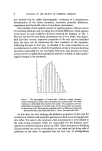
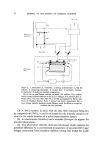
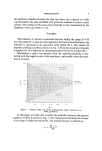
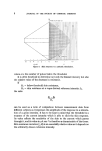
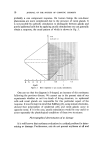
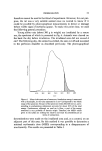
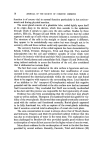
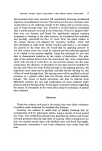
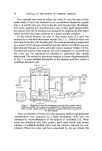
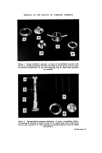
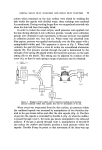
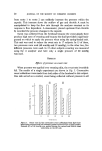
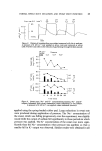
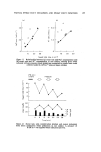
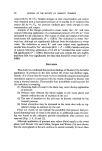
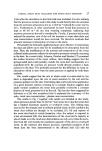
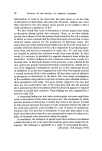
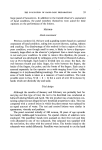
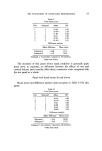
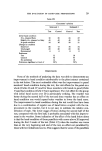
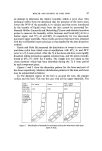
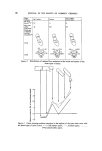
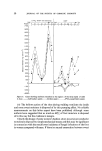
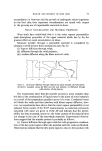
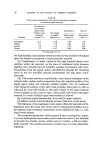
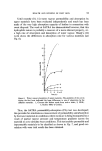
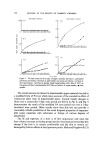
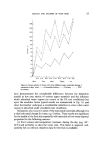
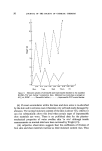
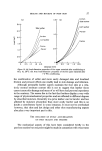
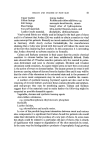
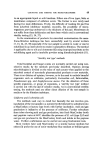
HEALTH AND HYGIENE OF FOOT SKIN 47 an attempt to determine the relative humidity within a worn shoe. This technique suffers from the drawback that the presence of the insert piece lowers the WVP of the assembly in its vicinity and that errors introduced by the transfer of liquid sweat from the skin cannot be accounted for. Recently Mfiller-Limmroth and Diebschlag (7) have used electrical moisture probes to measure the humidity within footwear and found 64•o rh for a leather upper, and 73• rh and 80• rh respectively for two man-made poromeric upper materials. These results are lower than have been obtained with the wool/leather insert technique or that implied by the shoe dissection method. Keech and Hole (8) measured the distribution of sweat in worn shoes and clean nylon hose which were at equilibrium with 65• rh and 20øC prior to a 7« h wear period. After the 7« h the shoes and hose were rapidly dissected, taking precautions against moisture loss, and the pieces recondi- tioned to 65• rh--20øC for 4 weeks. The weight loss was taken as the sweat moisture which had been absorbed during the 7•- h wear period by each component piece. Figures 1 and 2 show the dissection pattern for the hose and part of the shoes respectively. Moisture distribution patterns in the hose and shoes may be summarized as follows: (i) The dampest region of the foot is around the toes, the plantar surface and the heel. This was the case with all the upper materials. The , , Upper Calf leather Carram PVC - coated material cotton fabric Daily nylon hose uptake 0.30 0.56 0.64 (g per sock) .................. Dlstributiøn _•,7 _• .• of retained moisture (% of cond,tioned weight of region) _-- Figure 1. Distribution of retained foot moisture in the nylon hose worn with these types of shoe.
Purchased for the exclusive use of nofirst nolast (unknown)
From: SCC Media Library & Resource Center (library.scconline.org)