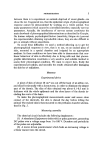
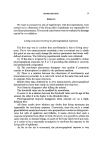
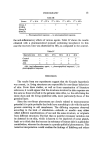
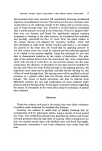
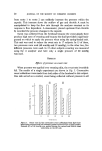
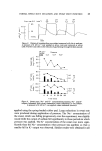
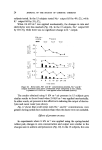
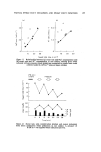
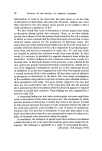
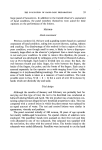
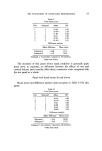
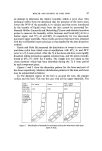
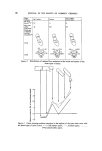
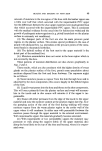
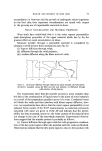
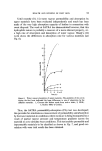
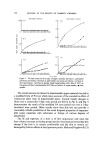
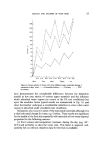
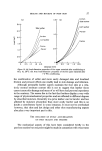
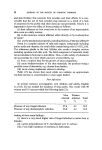
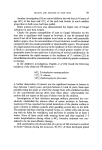
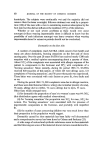
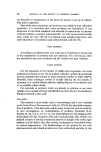
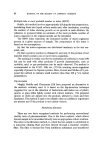
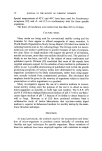
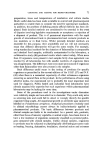
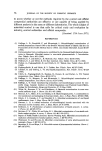
54 JOURNAL OF THE SOCIETY OF COSMETIC CHEMISTS Permeable materials 1.0 0 200 400 600 800 I000 12001400 1600 . o=- -8 0,5 o J :½ 0 200 400 600 800 100012001400 1600 Impermeable materials /ø -e[ee-• L••I ] I I 400 600 800 I0001200 14001600 0.5 I'0 I- (e) (½) .o----• ..o.-o' /ø'ø - F'"t14-' I I I I I I t )00 •C)O r600 •00 I000 I•::)014001600 0 200 400 600 800 I00012001400 I•00 Time (min) Figure 7. PA test results for five types of upper material. (a) Class l, calf leather and some poromerics. (b) Class 2, side leather and some poromerics. (c) Class 3, most poromerics. (d) Class 4, leather made impermeable with a film of PVC on the grain. (e) Class 5, leathercloths (PVC film on fabric). O, upper uptake O, hose uptake. The recent increase in interest in impermeable upper materials has led to a modified form of PA test which takes account of the cumulative effect of continuous daily wear of impermeable shoes. Typical weight changes in shoes over a consecutive 5-day wear period are shown in Fig. 8, and Fig. 9 demonstrates the result of the modified PA test carried out over a 5-day simulated wear period. Other results show that this test can provide a reasonably reliable prediction of the sweat disposal properties of imperme- able upper materials with substrates or linings of various degrees of absorbency The fit and tightness of a shoe is of first importance and since the foot volume increases as the day progresses the shoe must accommodate this change if the foot is to remain comfortable and the skin to remain un- damaged by friction effects at local pressure points. Hole and Popplewell (13)

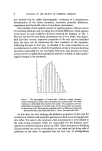
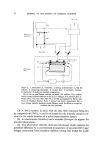
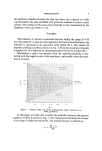
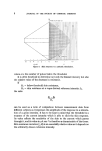
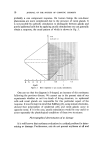
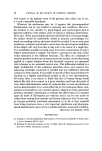
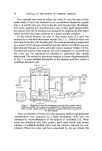
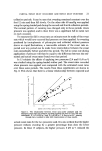
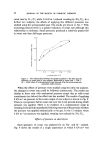
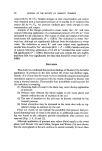
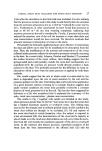
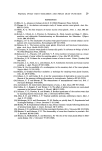
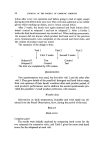
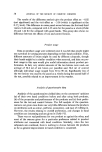
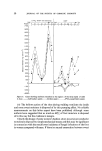
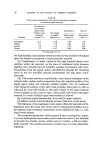
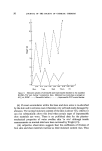
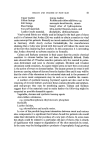
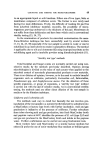
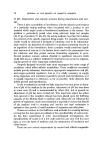
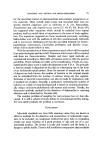
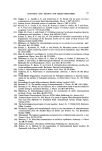
HEALTH AND HYGIENE OF FOOT SKIN 55 26 24 22 20 18 16 14 !\ x ,. • i'., "' /i "' " i , /! _ ... \ / \ ..,• • : • '" \,'"1 - ,, \., ! •. • X ...' \ ! + x I '" " / • / l/X\\ / •- i \'" / + / / • x / x. \/ / ... / \ .,,/ / \ I - ',+, / • x/ /t \ / \ I _ .! ! \\ I \ I i I \1 x / I \ I - /,.,.,, // •V / + i+ "., /t 12 !/\ '-.. i t x •1 \ x I x .:i] xx• / x x 8 /I + / • •1 x 2 0•' I I I I I ! p.m. e,m. p.m.e.m.p.m.e.m. p.m.e.m p.m Mon. Tues. Wed. Thurs. Fri. Figure 8. Sweat uptake of shoes with three different upper materials during 5 consecutive days' wear. --., Permeable leather - - -, Corfam ..... PVC on cotton. have demonstrated the considerable differences between the distention moduli at low area strains of various upper materials and the influence which absorbed water vapour (as occurs in the PA test conditions) has upon the modulus. Some typical results are summarized in Fig. 10, and show that leather undergoes a considerable reduction in stress when water vapour is absorbed under simulated wear conditions. Relaxation also occurs in some of the man-made materials although it is a relatively small change for some, e.g. Corfam. These results are significant for the health of the foot skin especially with materials of low sweat disposal properties for the following reasons: (i) Foot volume and temperature increases during the day (e.g. 24 ø- 36øC) and probably so does the sweat rate. This latter is apparent sub- jectively but no relevant objective data for the foot is available.
Purchased for the exclusive use of nofirst nolast (unknown)
From: SCC Media Library & Resource Center (library.scconline.org)