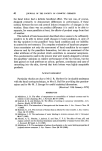
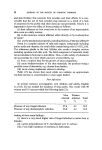
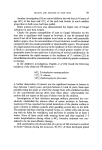
THE EVALUATION OF HAND=CARE PREPARATIONS 41 (8) (8) Saad, H. Y. and Saute, R. E. The measurement of wrinkles in human skin. Proc. ScL Toilet Goods Ass. 48 26 (1967). (9) Callender, R. M. Photographic interpretation of skin replicas. Ind. Cornmi. Photogr. 9 80 (1969) (10) Prall, J. K. P. Scaliness of human skin. Amer. Perfum. Cosmet. 82(3) 23 (1967). (ll) Puttnam, N. A. Attenuated total reflectance studies of the skin. J. Soc. Cosmet. Chem. 23 209 (1972). (12) Johnson, S. A.M., Kile, R. L., Kooyman, D. J., Whitehouse, H. S. and Brod, J. S. Com- parison of effects of soaps and synthetic detergents on hands of housewives. ArcIt. Dermctol. Syphilol. 68 643 (1953). (13) Bolam, R. M., Hepworth, R. and Bowerman, L. T. In-use evaluation of safety to skin of enzyme containing washing products. Brit. Med. J. 2 499 (1971).

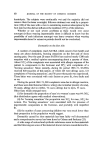
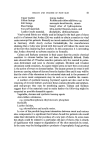
J. Soc. Cosmet. Chem. 24 43-63 (1973) ¸ 1973 Society of Cosmetic Chemists of Great Britam Sweat health disposal from footwear and and hygiene of foot skin L. GEOFFREY HOLE* Presented on the 11th April 1972 in Oxford, at the Sym- posium on 'Skin--Environmental responses and protection', organized by the Society of Cosmetic Chemists of Great Britain. Synopsis•The absorption of MOISTURE by the SKIN of the foot above normal levels must influence its general health. Skin softened by moisture is less resistant to abrasion and the encouragement of MICROBIOLOGICAL GROWTH by the warm moist conditions is a potential hazard to foot health and hygiene. The disposal of SWEAT from the foot is inhibited by footwear and the significance of the moisture absorption and transmission properties of shoe materials is discussed. A knowledge of the amount and distribution of absorbed sweat in footwear is important and some recent results are outlined. Laboratory and wear trial data are related to the man-made footwear materials which have been used on an increasing scale during the past decade. INTRODUCTION The foot is the only part of the human body which in contemporary advanced societies is clothed with materials which substantially interfere with the disposal of sweat from the skin. Until fairly recent times footwear for normal every-day wear was made almost entirely of leather, which as we shall see, is extraordinarily effective in absorbing and transmitting water vapour. Today large numbers of shoes, especially those for women, are sold in which the sole and the upper are made from man-made materials which are for all practical purposes impermeable to water vapour and thus to sweat * SATRA (Shoe and Allied Trades Research Association), Rockingham Road, Kettering, Northants. 43
Purchased for the exclusive use of nofirst nolast (unknown)
From: SCC Media Library & Resource Center (library.scconline.org)