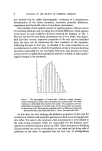
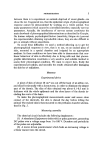
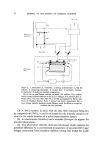
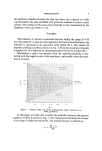
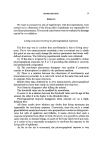
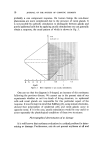
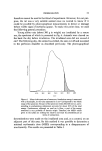
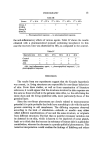
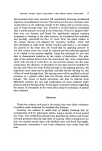
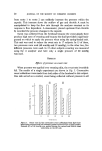
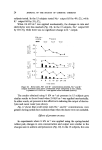
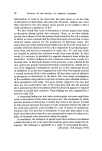
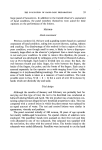
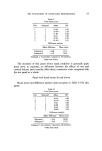
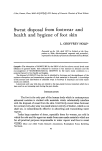
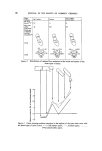
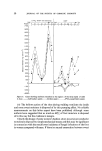
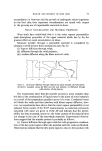
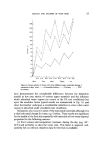
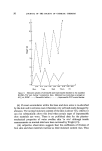
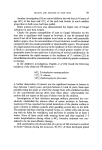
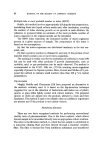
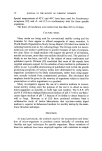
50 JOURNAL OF THE SOCIETY OF COSMETIC CHEMISTS Lining, bottom and occessories Regionle-e17-• - 11-•-13 1•-• e IH• el 17 18 •P9Per20 21 2• 2T• e •7oo[ ' 16oo i,",,! ,,ooF ,,oo, •- 'ooo h -,oo F ß Figure 4. Chart showing moisture retention i• the regions of the thre types of style A shoe. --., Calf leather uppe[ - - -, Cotfaro upper ...... PVOcoated fabric upper. (v) The bellows action of the shoe during walking ventilates the inside and some sweat moisture is disposed of by this pumping effect. No reliable measurements on this latter aspect have been published although some authors have suggested that as much as 60• of foot moisture is disposed of in this way but the evidence is meagre. Clearly the design of some women's fashion shoes (courts) are conducive to moisture disposal by simple mechanical means and this may be significant in connection with the much lower incidence offungal infections of the foot in women compared with men. If there is a causal connection between sweat

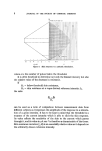
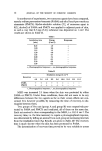
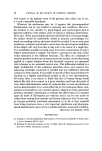
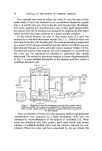
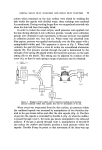
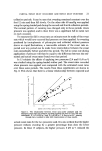
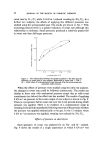
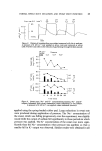
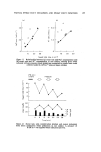
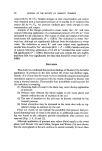
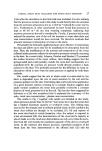
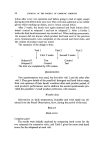
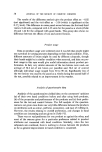
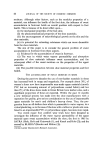
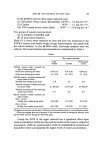
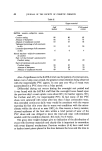
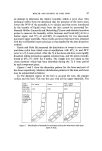
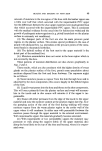
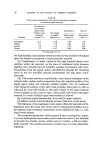
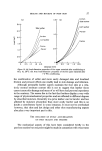
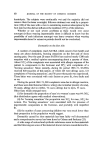
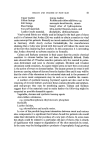
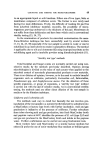
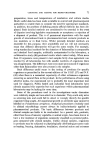
HEALTH AND HYGIENE OF FOOT SKIN 51 accumulation in footwear and the growth of pathogenic micro-organisms on the foot skin, then important considerations are raised with respect to the growing use of impermeable materials in shoes. SWEAT ACCUMULATION AND MATERIAL PROPERTIES Wear trials have established that it is the water vapour permeability (and absorption) properties of the upper material which has by far the greatest effect on sweat accumulation in shoes. Moisture transfer through a permeable material is considered by Graham et al (9) to have three mechanisms (see Fig. 5): (i) Vapour diffusion through voids (ii) diffusion through the solid polymer (iii) surface diffusion along the fibres and cell walls. (c) ( Figure 5. (a) Vapour diffusion through voids in the upper material. (b) Adsorption- desorption transport along the fibre and cell wall surfaces. (c) Diffusion through solid polymer. (d) (a) plus (c). Our experiments show that the transfer process is more complex than this due to the condensation of liquid water in the pores of some materials as a result of the temperature gradient across it in wear. Condensed water will block the voids and thus interfere with direct vapour diffusion, how- ever, our experiments have shown that the water vapour permeability is not reduced. Some results of the WVP measurements on materials previously saturated with water are given in Table III and indicate that the perme- ability has been increased, moreover, the water content of the material does not change in the case of the man-made materials. Experimental observa- tions suggest that the transfer process is probably as follows: (i) Vapour diffusion through open voids but with progressive condensa- tion at the dew point region within the material until the voids are blocked. Observations indicate that the dew point region is close to the junction with
Purchased for the exclusive use of nofirst nolast (unknown)
From: SCC Media Library & Resource Center (library.scconline.org)