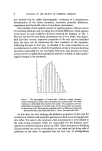
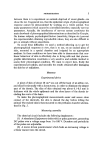
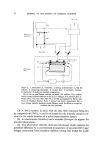
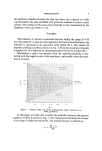
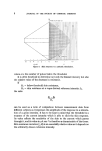
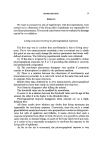
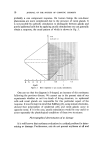
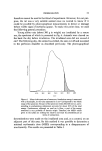
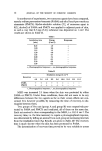
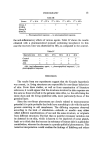
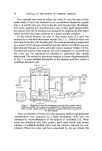
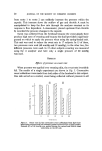
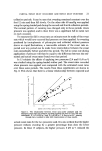
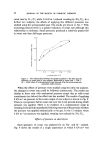
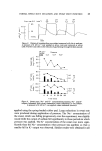
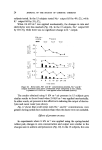
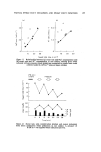
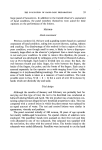
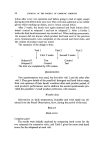
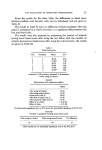
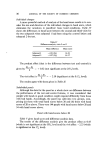
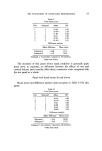
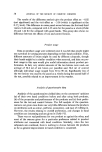
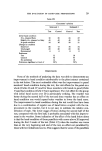
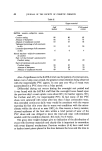
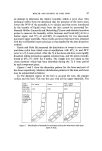
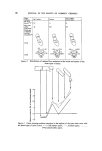
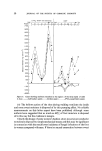
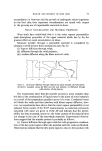
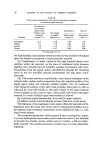
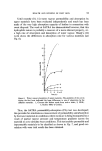
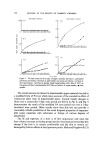
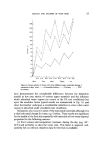
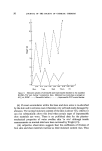
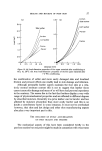
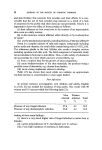
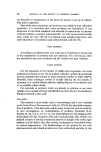
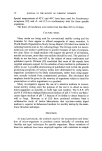
48 JOURNAL OF THE SOCIETY OF COSMETIC CHEMISTS Upper PVC- caated material Calf leather Corfam cotton fabric P/A WVP (rag cm-2h -I) 7.4 I.I 0 Daily shoe uptake 1.8 4.8 5.7 (g per shoe) Distributim of retained moisture Insole -7,(Z, r-•-62 50 • r'•45 166,,• r'x260 Upper -I 9•[•-••-42 69 9•26•7 •689 715••f TM Figure 2. Distribution of retained foot moisture in the insole and uppers of the three types of shoes. • 4 Figure 3. Chart showing moisture retention in the regions of the hose when worn with the three types of style A shoe. --., Calf leather upper - - -, Corfam upper ...... PVC-coated fabric upper.

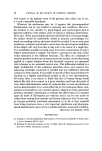
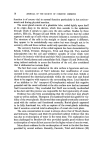
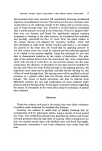
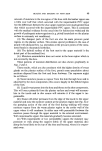
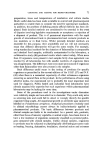
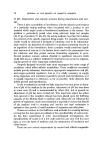
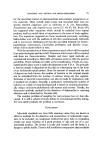
HEALTH AND HYGIENE OF FOOT SKIN 49 amount of moisture in the toe region of the hose with the leather upper was a little over half that which occurred with the impermeable PVC upper but the differences between the shoe upper materials were much greater than that which occurred with the impermeable PVC upper. This is consistent with the medical evidence for the usual sites for lesions (toe webs) and the growth of pathogenic microorganisms (e.g. pitted keratolysis on the plantar surface in extremely wet conditions). (ii) The dampest parts of the foot are also the main pressure point regions on the plantar surface. This creates special problems in the case of people with diseased feet, e.g. ulceration at the pressure points of the meta- tarsal heads in rheumatoid arthritics. (iii) The deltoid surface of the foot next to the upper material is the driest part of the enclosed foot. (iv) Moisture accumulation does not occur in the hose region which is not covered by the shoe. These patterns of moisture distribution are also shown graphically in Figs. 3 and 4. These results, which are also consistent with the higher density of sweat glands on the plantar surface of the foot, permit some speculation about moisture disposal from the foot and from footwear. The sequence might be as follows: (i) Sweat moisture passes as vapour from the skin through hose and is absorbed by the shoe components this occurs largely in the deltoid region of the foot. (ii) Liquid sweat passes into the hose and thence to the shoe components. This will occur primarily from the plantar surface and sweat will accumu- late in the insole and in due course will saturate it if the upper is im- permeable. (iii) Sweat will either permeate from the edge of the insole to the upper material and raise the moisture content at the junction region (see Fig. 2) or the pumping action of the arch of the foot during walking will sweep moisture vapour from the warm plantar region to the cooler wall of the upper where it will condense. In either case with permeable footwear the moisture passes through the upper material to the external environment. With impermeable uppers the materials gradually become saturated. (iv) With impermeable or low permeability uppers the moisture may permeate or wick along the support fabric of the upper material, also along the hose fabric to the top of the shoe and beyond, where it is evapor- ated away.
Purchased for the exclusive use of nofirst nolast (unknown)
From: SCC Media Library & Resource Center (library.scconline.org)