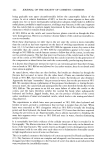
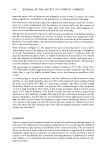
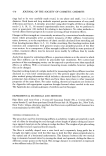
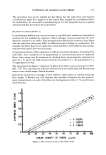
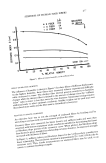
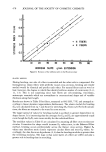
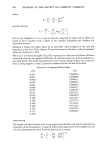
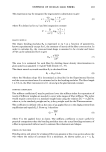
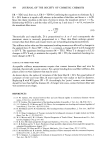
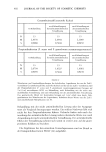
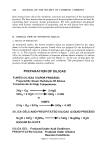
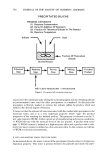
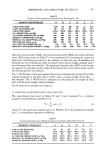
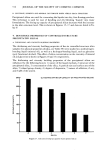
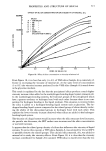
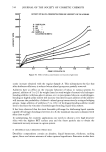
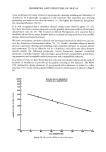
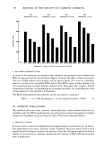
518 JOURNAL OF THE SOCIETY OF COSMETIC CHEMISTS 500 400 300 200 15% 20% 25% 30% ABRASIVE LEVEL ABRASIVE LEVEL ABRASIVE LEVEL ABRASIVE LEVEL AB-1 AB-2 AB-3 AB-4 AB-1 AB-2 AB-3 AB-4 AB-1 AB-2 AB-3 AB-4 AB-1 AB-2 AB-3 AB-4 Figure 21. Effect of silica concentration on RDA C. RDA VERSUS ABRASIVE LEVEL A series of low-structure precipitated silica abrasives was prepared and evaluated for RDA at various levels of concentration. Figure 21 shows the effect of silica concentra- tion on its RDA values silica abrasive can be used at about 25% level in a dentifrice matrix to produce the acceptable RDA values. The RDA values of silica abrasives do not proportionately increase with the abrasive level. This gives the cosmetic chemist tremendous flexibility in formulating an acceptable dentifrice by controlling the level of silica abrasive in the dentifrice formulation. The RDA of precipitated silica abrasive can be calculated by using eq 5 RDA = -4.17 (Oil Absorption) + 5.3 (% Abrasive Level) + 640.8 (5) VI. COSMETIC APPLICATIONS The synthetic silicas are inert, nontoxic, chemically pure, white powders which are ac- ceptable under the FDA regulations for use in food and cosmetic formulations. Typical properties of synthetic silicas are listed in Table VIII and are discussed below. A. DRYING-UP LIQUIDS For many food, cosmetic and pharmaceutical applications it is essential to dry up the ac- tive ingredients on an inert, nontoxic carrier. Synthetic silicas are widely used in such applications for drying up liquids into powders. Since the drying-up capacity of silica is related to its structure, a cosmetic chemist should choose a VHS or HS silica for this type of application.

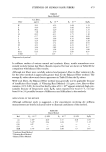
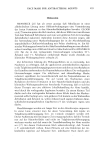
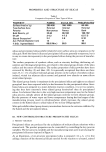
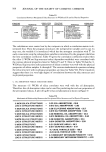
PROPERTIES AND STRUCTURE OF SILICAS 519 Table VIII Cosmetic Application of Silicas PROPERTY DRYING-UP LIQUIDS ANTI-CAKING CONDITIONING AGENT SUSPENSION THICKENING TABLETTING AID ABRASIVES AND POLISHING AGENT ADSORBENT VISCOSITY CONTROL GLOSS REDUCTION APPLICATION FOODS, COSMETICS, PHARMACEUTICALS FOODS, COSMETICS, HOUSEHOLD PRODUCTS PERSONAL CARE, SPECIALTY HAIR CARE, DEODORANTS, COSMETICS, LIQUIDS TOOTHPASTE, LIQUIDS, SPECIALTY PHARMACEUTICALS, COSMETICS TOOTHPASTE POLYOLS NAIL POLISHES, COSMETICS SPECIALTY SILICA STRUCTURE VHS, HS VHS, HS VHS VHS VHS, MS VHS, MS LS, VLS LS, VLS VHS VHS, MS B. ANTI-CAKING Many cosmetic, food and pharmaceutical preparations tend to cake up in the container or the box in which they are packaged. Due to the fine particle size and very high absorption capacity of VHS or HS silica, these silicas are widely used to make cosmetic and specialty formulations free-flowing. C. CONDITIONING Some cosmetic and specialty powder formulations are difficult to flow due to moisture pick-up by one or several ingredients of the formulations. The flow properties and angle of repose of these powder formulations can be improved in such situations by the addition of 1 to 2% by weight of synthetic silica. D. SUSPENSION AID In many cosmetic formulations, such as in aerosol and antiperspirant formulations, a very small amount of silica is needed to provide suspension characteristics to the active ingredients of the formulation. A VHS or HS silica of high absorption capacity and sur- face area is used in this type of application. E. THICKENING AGENT The addition of 6 to 16% VHS or HS silicas to dentifrice formulations, aqueous or oil systems, would convert them to gels or pastes. The superior thickening efficiency of a precipitated silica depends upon its structure, particle size, surface area and nature of additives. r. TABLETTING AID Precipitated silicas serve as binders, eliminate sticking and act as tabletting aids in phar- maceutical and specialty applications.
Purchased for the exclusive use of nofirst nolast (unknown)
From: SCC Media Library & Resource Center (library.scconline.org)