176 JOURNAL OF COSMETIC SCIENCE (25) W. A. Curby, Device for collection of human parotid saliva,]. Lab. Clin. Med, 41, 493-496 (1953). (26) L. H. Schneyer, Method for the collection of separate submaxillary and sublingual saliva in man, ]. Dent. Res., 34, 257-261 (1955). (27) Y. Okahata and K. Ariga, In situ weighing of water-deposited Langmuir-Blodgett films on a piezo electric quartz plate,]. Chem. Soc. Chem. Commum., 1535-1537 (1987). (28) K. ljiro and H. Ringsdorf, Protein-DNA double and triple layers: Interaction of biotinylated DNA fragments with solid supported streptavidin layers, Langmuir, 14, 2796-2800 (1998). (29) G. D. Offner and R. F. Troxler, Heterogeneity of high-molecular-weight human salivary mucins, Adv. Dent. Res., 14, 69-75 (2000). (30) A. C. Juriaanse, J. Arends, and J. J. Ten Bosch, The adsorption of acidic and basic homopolypeptides to whole bovine dental enamel,]. Colloid Interface Sci., 76, 212-219 (1980). (31) A. C. Juriaanse, J. Arends, and J. J. Ten Bosch, The role of surface ions in a model for peptide adsorption to whole bovine dental enamel,]. Colloid Interface Sci., 76, 220-226 (1980). (32) M. D. Jendresen and P. 0. Glantz, Clinical adhesiveness of selected ental materials, Acta Odont. Scand., 39, 39-45 (1981). (33) K. K. Skjprland, M. Rykke, and T. Sonju, Rate of pellicle formation in vivo, Acta Odont. Scand., 53, 358-362 (1995). (34) B. T. Amaechi, S. H. Higham, W. M. Edgar, and A. Milosevic, Thickness of acquired salivary pellicle, ]. Dent. Res., 78, 1821-1828 (1999). (35) Y. Tanizawa and T. Suzuki, Effects of silicate ions on the formation and transformation of calcium phosphates in neutral aqueous solutions,]. Chem. Soc. (Faraday Trans), 91, 3499-3503 (1995). (36) M. Rykke, G. Rolla, and T. Sonju, Effect of pyrophosphate on protein adsorption to hydroxyapatite in vitro and on pellicle formation in vivo, Scand.]. Dent. Res., 96, 517-522 (1988). (3 7) Y. Ebara and Y. Okahata, In situ surface-detecting technique by using a quartz-crystal microbalance: Interaction behaviors of proteins onto a phospholipid monolayer at the air-water interface, Langmuir, 9, 574-576 (1993). (38) Y. Lvov, K. Ariga, I. Ichinose, and T. Kunitake, Assembly of multicomponent protein films by means of electrostatic layer-by-layer adsorption,]. Am. Chem. Soc., 117, 6117-6123 (1995). (39) J. Rickert, A. Brecht, and W. Gopel, QCM operation in liquids: Constant sensitivity during formation of extended protein multilayers by affinity, Anal. Chem., 69, 1441-1448 (1997). (40) G. Nimeri, C. Fredriksson, H. Elwing, L. Liu, M. Rodahl, and B. Kasemo, Neutrophil interaction with protein-coated surfaces studied by an extended quartz crystal microbalance technique, Colloids Surfaces B, 11, 255-264 (1998). (41) I. D. Mandel, Relation of saliva and plaque to caries,]. Dent. Res., (Suppl.), 53, 246-266 (1974).

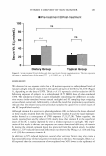
J. Cosmet. Sci., 55, 177-187 (March/April 2004) Delivery of vitamin E to the skin by a novel liquid skin cleanser: Comparison of topical versus oral supplementation AMIR TAVAKKOL, ZEENAT NABI, NADIA SOLIMAN, and THOMAS G. POLEFKA, Colgate-Palmolive Company, 909 River Road, Piscataway, NJ 08855. Accepted for publication January 26, 2004. These studies were presented in part at the Annual Meeting of the Society for Investigative Dermatology, Washington DC, 2000. Synopsis Topical supplementation represents an attractive approach to mitigate environmentally induced deficiencies of skin vitamin E (a-tocopherol). We report here the impact of natural sunlight on stratum corneum (SC) vitamin E and also compare the effectiveness of dietary supplementation to topical application as a way to increase vitamin E in the superficial layers of the SC. The effects of natural sunlight, 30 minutes of midday sunlight, were measured on two separate occasions. Vitamin E in the surface layers of the SC was measured by HPLC after ethanol extraction. Under these relevant conditions, vitamin E in the superficial SC was reduced in a dose-dependent manner by 50-65%. In a followup study, panelists entered into a randomized, double-blind, vehicle-controlled study. In this study, one group washed their skin once daily for one minute with a commercially available body wash containing 0.15% vitamin E and 0.10% vitamin E acetate, while the second group used a body wash without vitamin E but also supplemented their diet with 400 IU a-tocopherol (18x RDI). Not surprisingly, only dietary supplementation increased serum vitamin E (-two fold). Although both treatment modalities increased SC vitamin E, topical delivery was significantly more effective (53-fold vs baseline) than dietary delivery (eightfold vs baseline). Moreover, only topical delivery increased SC vitamin E acetate (19-fold vs baseline). The results reported here indicate that vitamin E in the superficial layers of the SC is depleted readily by even a brief exposure to sunlight and that use of a vitamin E body wash can substantially increase the vitamin E in this superficial layer more effectively than dietary supplementation. INTRODUCTION Due to its constant exposure to various environmental factors (i.e., UV radiation, air pollution, and other oxidants), the skin is susceptible to oxidative stress. Oxidative stress occurs when the number of pro-oxidant species exceeds the number of antioxidant The current address of Amir Tavakkol is Novartis Pharmaceutical Corporation, 1 Health Plaza, East Hanover, NJ 07936-1080. Address all correspondence to Thomas G. Polefka. 177
Purchased for the exclusive use of nofirst nolast (unknown)
From: SCC Media Library & Resource Center (library.scconline.org)