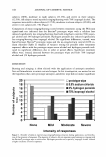
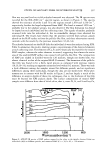
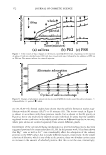
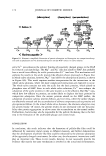
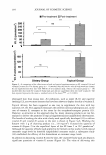
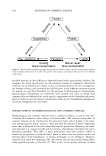
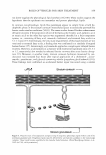
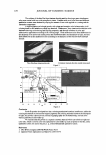
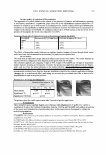
220 JOURNAL OF COSMETIC SCIENCE The surfaces of the thin film form titanium dioxide particles showing a green interference color were coated with iron oxide using fenic nitrate. Products with novel color tones and different qualitative textures were obtained by varying the amount of iron oxide applied as a coating and the calcination temperature. A high-brightness red colored powder with a deep and complex color balance and a vhid coloring based on the intelference effect was obtained. Furthermore, these titanium dioxide/iron oxide laminates showing such coloring had flip-flop properties, and showed variations in color and differences in appearance according to the viewing angle. These differences arise from differences in the thickness of the iron oxide coating and in the interference effect and absorption of light, and also from differences in the interference color according to the thickness of the tbin film fonn titanium dioxide. Thin film form titanium dioxide 44) lJII Common titanium dioxide coated mica pearl Figure I l l -80 IL- _,.:.. ---'-=--,---' ...f•• •••••••. -100 '---�-��- -68 -40 -10 Conclusion 10 ,40 60 Figure 2 80 100 Since tlie powder developed here has a coloring mechanism based on interference, unlike the coloring mechanism of conventional organic pigments and coloring materials based on the absorption of light, this powder is free from any concern regarding safety for the human body, and can solve various problems of color make-up. We consider that this powder is a superior cosmetic material which can exhibit a bright red color tone, which is a novel color tone especially for color make-up such as lipstick or the like, and a qualitative texture not seen in the past, e. g., a three-dimensional qualitative te:x"ture. References I. 2002 IFSCC Congress (EDINBURGH) Poster P219. 2. Japanese Patent Application Laid-Open No. 2003-55574

2003 ANNUAL SCIENTIFIC MEETING TOPICAL VITAMIN E: WHAT FORM AND HOMOLOGUE OF TOCOPHEROL MATTER? Brent Flickinger, Ph.D., J. J. Mathieu and Janice Binger Archer Daniels Midland, Decatur, IL Titis review focuses on personal care products containing vitamin E and the implications of the vitamin E form on topical antioxidant efficacy. Tocopherols are a primary lipophilic antioxidant with the capability of breaking the chain involved in the propagation of free radicals. Tocopherols are particularly reactive with peroxyl radicals which have been identified as important mediators of oxidation of polyunsaturated fatty acids within membrane phospholipids. Depending on conditions, different tocopherols may have different antioxidative capacities. From a nutritional and physiological viewpoint, alpha-tocopherol is preferentially retained within the body which has resulted in its recent identification as the sole tocopherol possessing nutrient essentiality. This metabolic difference in tocopherol isoforms is due to the presence of alpha-tocopherol transfer protein in the liver which is highly specific in binding alpha-tocopherol. From a skin viewpoint, the epidermis maintains alpha-tocopherol as the most important vitamin E isoform quantitatively. Many cosmetic and skin care products include vitamin E as part of their formulation. Mintel' s Global New Product Database (GNPDB) lists approximately 4,500 skin care products, alone, containing vitamin E. Most products list alpha-tocopheryl acetate as the vitamin E ingredient with very few products containing mixed tocopherols which includes non-alpha-tocopherols such as gamma-tocopherol and delta-tocopherol. Alpha-tocopheryl acetate is the preferred choice in a product formulation. Alpha-tocopheryl acetate is non reactive and stable maldng it more reliable for maintaining a shelf-stable product. Typical incorporation rates of alpha-tocopheryl acetate are relatively minor. Several studies using topical applications containing alpha-tocopherol have shown that the alcohol form appears to be more effective than the acetate ester form in protecting skin against the damage from UV irradiation. Also, in topical applications, the tocopheryl acetate form of vitamin E appears inert and ineffective in several reports. Similarly when ingested, tocopheryl acetate is hydrolyzed by the gut to the active alcohol form of vitamin E which is absorbed into the body. However, the difference between the activities of alcohol and acetate ester forms in topical applications continues to be a topic of considerable debate with dose, duration, bioavailability, formulation and UV exposure all being potentially important considerations. Consistently, non-alpha-tocopherols are present in skin to varying degrees ranging from 10-20% of total tocopherols (1, 2, 3). In human skin, a recent report suggests that the ratio of alpha-tocopherol to gamma tocopherol is approximately 10-to-l which is typical of the ratio found in serum ( 4 ). Levels of alpha tocopherol and gamma-tocopherol correlate well with the skin's ability to scavenge free radicals but not with the ability to protect against doses of UV that cause sunburn indicating that tocopherols alone may not individually determine photosensitivity. An earlier report in the literature suggests that topical application of non-alpha tocopherols (gamma and delta) appear to provide skin protection from UV to an equal degree as alpha-tocopherol as measured by thymine dimer formation using a mouse skin model (5). This result suggests a potential opportunity for utilization of adding non-alpha-tocopherols in skin care product formulations. Potential non-antioxidant actions of alpha-tocopherol may have a role for maintaining skin health. Alpha-tocopherol has been identified to inhibit protein kinase C (PKC) in a non-antioxidant manner using an in vitro model system (6). Further utilization of an in vitro model system has demonstrated the ability of alpha-tocopherol to inhibit the expression of connective tissue growth factor (CTGF) (7). CTGF mRNA expression has been shown to be constitutively active in normal human skin (8). Using a model in vitro system of normal hwnan skin cell types constitutively expressing CTGF mRNA and protein, ultraviolet irradiation results in inhibition of CTGF mRNA. Alpha-tocopherol may assist in promoting skin health by nonnalizing CTGF expression following UV exposure due to the role of CTGF in stimulating synthesis of procollagen thus impacting the extracellular matrix. References I. Cancer Epidemiol Biomarkers Prev, 2, 145, (1993). 2. J Invest Dermatol, 110, 756, (1998). 3. J Invest Dermatol, 113, 1006, (1999). 4. Free Radie Biol Med, 34, 330, (2003). 5. Mo/ Carcinog, 24, 169, (1999). (mcvean) 6. Biochem Mo/ Biol Int, 41, 93 (1997) (fazzio) 7. Circ Res, 92, 104, (2003) (villacorta) 8. J Invest Dermatol, 118, 402, (2003) (quan) 221
Purchased for the exclusive use of nofirst nolast (unknown)
From: SCC Media Library & Resource Center (library.scconline.org)