J. Cosmet. Sci., 58, 209-214 (May/June 2007) An animal model assessment of common dye-induced allergic contact dermatitis JOE DINARDO, Raleigh, NC and ZOE DIANA DRAELOS, Department of Dermatology, Wake Forest University School of Medicine, Winston-Salem, NC, and Dermatology Consulting Services, 244 North Main Street! High Points, NC 27262. Accepted for publication March 6! 2007. Synopsis Dyes are a category of substances capable of inducing allergic contact dermatitis found in a variety of foods, drugs, textiles, cosmetics, and hair dyes. This study tested 33 dyes in guinea pigs using a modified Buehler and Klecak method for open epicutaneous testing. The dyes were tested at an induction concentration of 10% and challenge concentrations of 10.0%, 5.0%, and 2.5%. Nine of the 33 dyes tested produced positive allergic reactions in the guinea pig model (2-amino-4-nitrophenol, 2-amino-5-nitrophenol, acid yellow 23, acid orange 3, basic black 3, basic orange 1, disperse orange 3, solvent black 27, and solvent black 34). When eight of the nine positive dyes were retested using a 1 % induction concentration, five dyes produced allergic contact dermatitis at a 1 % challenge concentration (2-amino-4-nitrophenol, 2-amino-5- nitrophenol, acid yellow 23, disperse orange 3, and solvent black 34), two at a 0.5% challenge concentration (2-amino-5-nitrophenol and solvent black 34), and one at a 0.25% challenge concentration (2-amino-5- nitrophenol). DNCB at a 0.5% induction/challenge concentration was used as a positive control. With the exception of disperse orange 3 and acid yellow 23, the seven additional dyes that elicited positive allergic reactions in the guinea pig model have not been previously reported. INTRODUCTION Dyes are a chemical category capable of causing allergic contact dermatitis found in foods, drugs, textiles, cosmetics, and hair dyes. The most common dye sensitizer is paraphenylenediamine (PPD), which was given a significance prevalence index number (SPIN) ranging from 3 to 10 between the years 1984 and 1996 by the North American Contact Dermatitis Group (1). Another well known allergenic dye is acid yellow 23, also known as tartrazine or FD&C yellow No. 5, widely reported to produce food and drug allergies with cross sensitization potential to aspirin (2-5). Other allergenic dyes re ported in the literature include disperse blue 106, disperse blue 124, disperse blue 153, disperse brown 1, disperse orange 3, disperse orange 13, disperse red 1, and disperse yellow 3 (6-9). Some of these dyes have also been shown to cross react with PPD Address all correspondence to Zoe Diana Draelos. 209

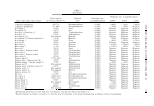
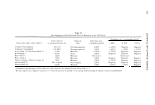
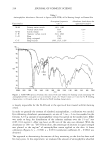
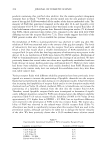
210 JOURNAL OF COSMETIC SCIENCE (10-12), although PPD sens1t1v1ty is not always a reliable indicator for general dye sensitivity. With the exception of disperse orange 3 and acid yellow 23, the dyes that elicited positive allergic reactions in this guinea pig model research have not been previously reported in the literature. METHOD All test materials were evaluated using a modification of the Buehler and the Klecak method for open epicutaneous testing (OET) for sensitization in a guinea pig model (13-16). Our methodology utilized induction and challenge periods. For the induction phase, the left flanks of ten albino guinea pigs were shaved and the dye test material applied three times weekly (Monday, Wednesday, Friday) for three consecutive weeks. Each animal received 0.1 ml of the dye test material over a 1.8-cm circular area. Following the induction period, the guinea pigs entered the challenge phase. The challenge phase began after a two-week rest period when the right flank of each guinea pig was shaved and exposed to three different dye test material concentrations (100%, 50%, and 25% of the induction concentration). Twenty-four hours after the last induc tion and challenge application, the animals were depilated to clearly observe dermal reactions. All test sites were graded for erythema and edema 24 and 48 hours post-application using a four-point ordinal scale (0 == no reaction, 1 == slight reaction, 2 == moderate reaction, 3 == severe reaction). A positive reaction was defined as an erythema/edema value during the challenge phase of at least one skin grade higher than during the last induction phase. For example, a challenge grade of 1 would be considered positive if a 0 was noted for the animal 24 hours after the last induction application. In addition to the dye test agents evaluated, a positive control of 0.5% 2,4-dinitrochlorobenzene (DNCB) in ethanol was included for both the induction and challenge phases. RESULTS Table I outlines the results obtained for the 33 dye ingredients tested in the guinea pig model at an induction concentration of 10% in propylene glycol (PG) and challenge concentrations of 10.0%, 5.0%, and 2.5% in PG. Of the 33 dyes tested, nine dyes demonstrated positive allergic reactions at the 10.0% challenge concentration (2-amino- 4-nitrophenol, 2-amino-5-nitrophenol, acid yellow 23, acid orange 3, basic black 3, basic orange 1, disperse orange 3, solvent black 27, and solvent black 34), six at the 5.0% concentration (2-amino-4-nitrophenol, 2-amino-5-nitrophenol, acid orange 3, ba sic black 3, basic orange 1, and disperse orange 3), and four at the 2.5% concentration (2-amino-4-nitrophenol, acid orange 3, basic black 3, and basic orange 1). The positive control, DNCB at the 0.5% induction/challenge concentration, elicited positive re sponses in all animals tested. When eight of the nine positive dye test compounds were retested using an induction concentration of 1 % in PG, five dyes demonstrated positive reactions at the 1 % challenge concentration (2-amino-4-nitrophenol, 2-amino-5- nitrophenol, acid yellow 23, disperse orange 3, and solvent black 34), two at the 0.5% challenge concentrations (2-amino-5-nitrophenol and solvent black 34), and one at the 0.25% challenge concentration (2-amino-5-nitrophenol). These results are summarized
Purchased for the exclusive use of nofirst nolast (unknown)
From: SCC Media Library & Resource Center (library.scconline.org)