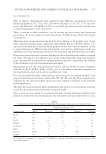
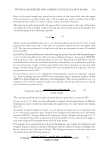
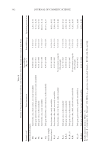
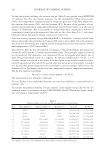
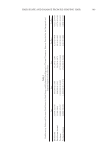
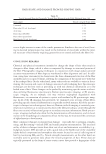
PHYSICAL PROPERTIES AND STABILITY OF DEAD SEA MUD MASKS 337 MUD PREPARATION Effect of additives. Formulations were prepared using different concentration levels of thickeners [kaolin at 5%, 7.5%, 10%, 15% (w/w), bentonite at 2%, 5%, 7.5%, and 10% (w/w), and Natrosol® 250 HHX at 0.05% (w/w)] while glycerin was used as a humectant in some formulations at 10% (w/w) level. Then, according to their aesthetics, ease of mixing and processing, and separation percentage, the most satisfactory formulas (shown in Table I) were chosen for further investigation. Thickeners were incorporated into the mud by slow addition, as dry powder, over 15 min with continuous mixing using a planetary mixer (Home Electrics TC-800, China, 5.5 l capacity) at medium speed, then the whole preparation was left to mix for another 15 min to ensure homogeneity. When kaolin and bentonite were used in combination, kaolin was added fi rst since it produced lower thickness than bentonite, and then bentonite was added. Humectants were reported to prevent dehydration of the fi nished mud products on aging (9). Thus 10% glycerin was added to some of the studied Dead Sea mud mask formula- tions. Glycerin was incorporated by mixing with the mud for 5 min before the addition of the thickener as per the abovementioned procedure. Ethanol was used at two concentration levels [(1% and 5% (w/w)] in selected formula- tions (K15G, B10G, K5B5G, K5B5, and N0.05G). It was added as the fi nal component to the mud mask mixture and mixed for an additional 5 min. Five over-the-shelf Dead Sea mask products were selected to be studied parallel to our prepared formulations and were coded as RV, NC, BL, BS, and AQ. These samples were evaluated by the same procedures and at the same stability conditions as the prepared mud formulations. The Dead Sea mud used in the above formulations was used as received without treatment except for the manual removal of stones (untreated mud). Effect of mud treatment method. To investigate the effect of mud treatment method on the properties of Dead Sea mud formulations, the untreated mud was either dried in a tray Table I Compositions of the Selected Dead Sea Mud Mask Formulations Evaluated in the Stability Study Composition percent (w/w) Formula codea Mud Bentonite Kaolin Natrosol Glycerin K15G 75 — 15 — 10 K10 90 — 10 — — B10G 80 10 — — 10 K5B5G 80 5 5 — 10 K7.5B7.5G 75 7.5 7.5 — 10 K5B5 90 5 5 — — N0.05G 89.95 — — 0.05 10 K10B2G 78 2 10 — 10 a K = kaolin, B = bentonite, N = Natrosol® 250 HHX, G = glycerin. The subscript represents percent (w/w) level of the additive.

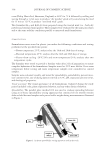
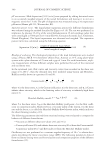
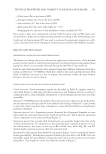
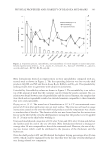
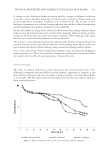
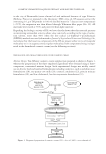
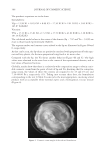
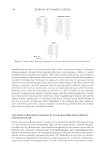
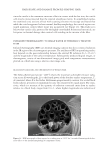
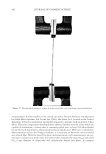
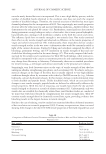
JOURNAL OF COSMETIC SCIENCE 338 oven (Philip Harris Ltd, Shenstone, England) at 60°C for 72 h followed by milling and sieving through a 1-mm sieve to produce “dry powder” grade or by autoclaving the mud for 15 min at 121°C to produce “sterilized mud” grade. Two formulas (K10 and K5B5G) were prepared using the treated mud (i.e., both dry powder and sterilized mud grades). These samples were evaluated by the same procedures and at the same stability conditions parallel to untreated mud formulations. STABILITY STUDY Formulations were stored in plastic jars under the following conditions and testing performed at the specifi ed time points: —Room temperature 25°C analysis after the 14th and 28th days of storage. —Elevated temperature 45°C analysis after the 14th and 28th days of storage. —Freeze–thaw cycling -20°C/24 h and room temperature/24 h analysis after two temperature cycles. The formulas were tested to provide a baseline value after 24 h of preparation to ensure complete hydration of the formulation. Samples stored at 45°C were left for 2 h at room temperature before testing and room temperature samples were considered as control samples. Samples were evaluated visually, and tested for spreadability, extrudability, percent mois- ture content (w/w), rate of drying [percent (w/w)] at 32°C, pH, separation percent (w/w), and rheological properties. Visual assessment. The visual appearance of all formulations evaluated during the study period included color, phase separation behavior, and any other distinct behavior. Spreadability. The parallel plate method (10) was used to evaluate spreading behavior using an in-house spreadability testing apparatus that consisted of two smooth wooden slides to hold the mud samples and a pan to hold a weight during measurement as illustrated in Figure 1. Figure 1. In-house spreadability testing apparatus used in the study.
Purchased for the exclusive use of nofirst nolast (unknown)
From: SCC Media Library & Resource Center (library.scconline.org)