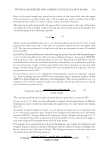
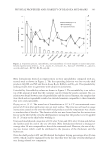
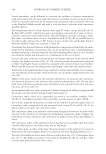
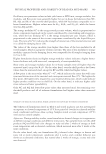
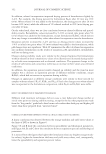
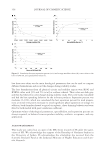
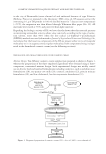
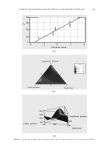
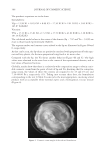
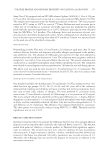
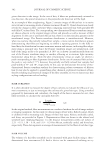
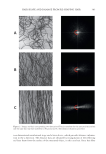
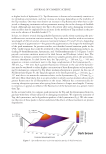
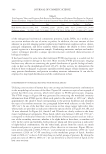
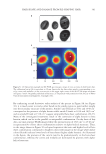
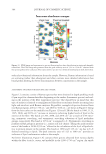
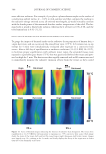
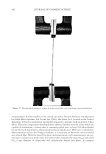
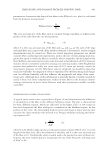
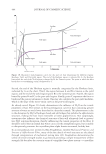
HAIR SHAPE AND DAMAGE FROM RE-SHAPING HAIR 383 two-dimensional translational stage and a laser device, which provides distance informa- tion in the z direction. The distance data are obtained by triangulation of the refl ecting red laser beam from the surface of the measured object, in this case hair. Since hair fi ber Figure 2. Images and their corresponding two-dimensional Fourier transform for (A) untreated African hair and the same hair type that underwent a (B) partial and (C) full chemical relaxation procedure.

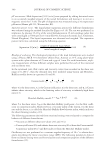
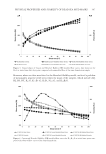
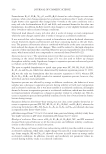
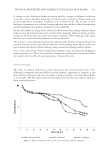
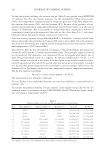
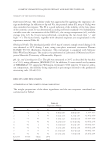
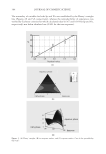
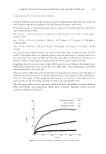
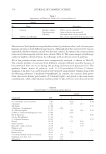
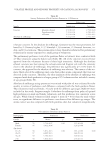
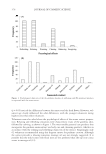
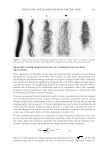
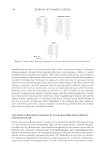
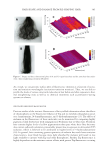
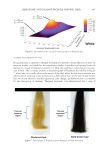
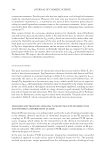
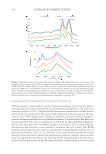
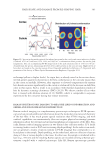
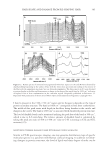
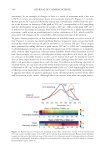
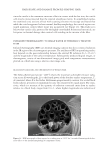
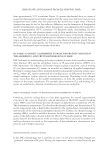
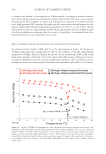
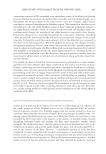
JOURNAL OF COSMETIC SCIENCE 384 assemblies do not have a continuous solid surface, each z-dimension reading is an average of measurements obtained from multiple refl ections corresponding to fi bers at various depths below the outermost hair surface. The utility of this technique lies in its ability to measure changes in the volume of hair tresses subjected to chemical or physical treatment intended to reshape hair. Utilizing this approach, a hair tress may be positioned on the platform of the translation stage and a surface plot corresponding to the three-dimensional volume occupied by the hair assembly may be constructed. In addition, data are also presented in the form of contour plots or cross-sectional representations of the hair tress allowing one to view the tress along its primary axis. As an example of the technique relevant to reshaping hair, Figure 4 contains images and three-dimensional plots of virgin frizzy hair and the same hair that underwent a hair straightening treatment. In both the images and the contour plots, it is clearly evident that a reduction in the overall volume of the tress occurs due to reduction of frizz. Regardless of the reshaping procedure employed, laser stereometry provides a useful modality for monitoring three-dimensional shape and volume occupied by a hair fi ber assembly. SPECTROFLUORESCENCE TECHNIQUES TO CHARACTERIZE BIOCHEMICAL CHANGES IN HAIR Steady-state spectrofl uorescence is a useful tool to monitor the health of biological tissues as it can measure the level of tryptophan (Trp), which is representative of protein integrity. In addition to Trp fl uorescence, several other fl uorophores are also present in hair and are believed to be attributed to kynurenenine, N-formylkynurenine, and 3-hydroxykynurenine, which are known metabolic and degradation products of Trp that are affected by environ- mental stresses normally experienced by hair (15). Nowadays, we are able to construct an endogenous fi ngerprint of fl uorescent compounds present in hair by employing a range of excitation wavelengths from 270 nm to 450 nm with a resolution of 2 nm. Figure 3. Images of hair with various degrees of curvature in the relaxed and fully extended states.
Purchased for the exclusive use of nofirst nolast (unknown)
From: SCC Media Library & Resource Center (library.scconline.org)