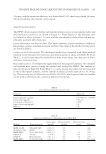
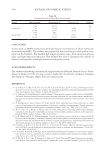
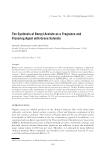
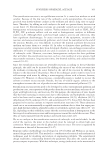
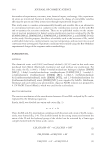
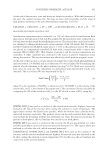
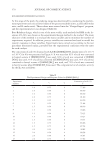
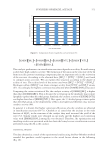
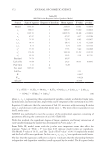
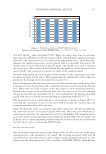
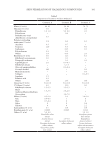
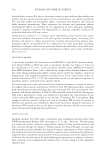
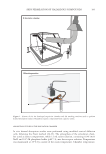
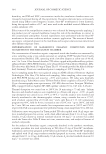
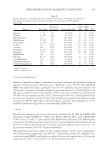
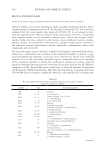
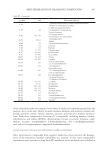
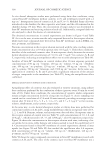
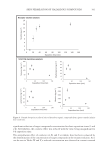
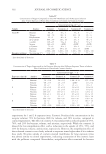
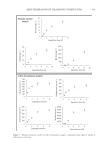
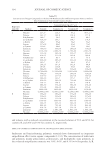
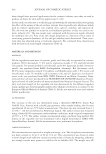
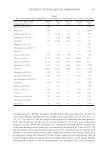
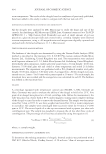
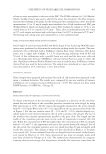
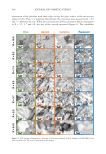
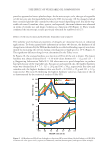
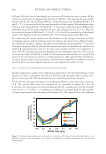
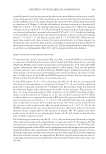
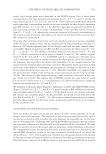
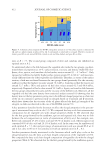
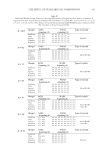
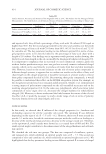
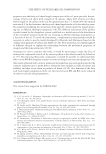
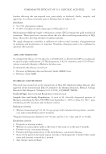
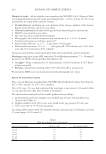
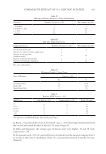
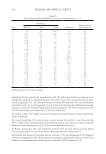
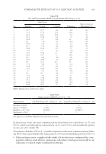
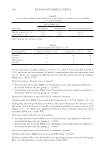
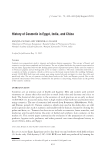
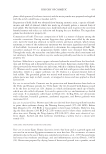
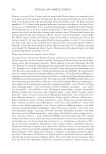
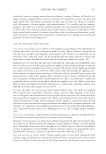
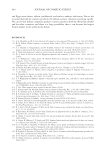
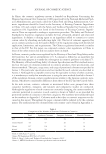
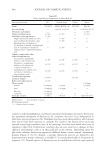
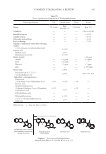
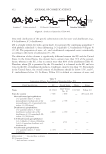
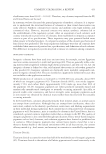
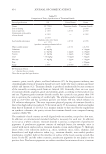
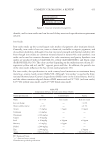
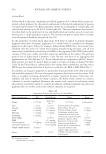
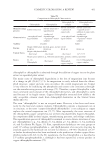
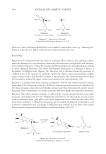
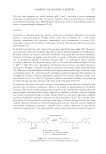
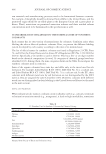
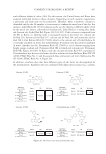
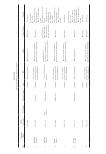
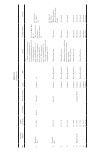
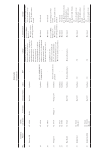
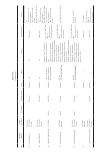
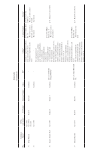
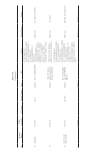
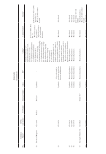
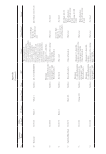
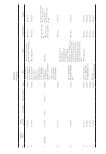
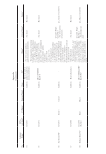
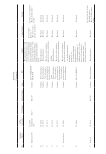
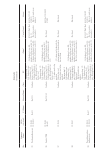
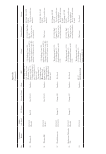
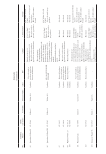
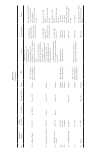
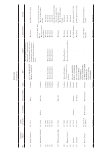
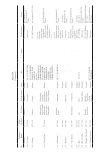
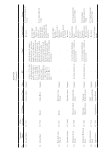
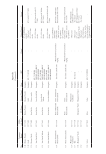
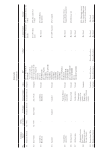
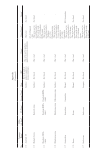
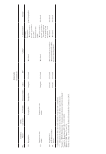
Appendix (Continued) No. Common Name a CI No. (salt form) b US Name c Korean Name a Class EUb China d United States b Korea a 178 Pyrophyllite Pyrophyllite Pyrophyllite Inorganic · Not listed · Not listed §73.2400 Pyrophyllite · Not to be used in eye and lip products §100. Pyrophyllite 179 Luminescent zinc sulfide Luminescent zinc sulfide Inorganic · Not listed · Not listed §73.2995 Luminescent zinc sulfide · Not to be used in eye and lip products · Externally applied facial makeup and nail polish 10% · Not listed 180 Sorghum Red Natural · Not listed · Not to be used in eye products · Not listed · Not listed 181 Galla Rhois Gallnut Extract Natural · Not listed · When used with ferrous sulfate, only use in dye hair products · Not listed · Not listed - colorants used as hair dyes and cosmetic soaps are not considered. “—“: Included on the positive list but does not have a specification a Annex 1, MFDS Notification “Colorants specification and test methods.” b Annex Iv, Regulation (EC) No. 1223/2009. c FDA 21 CFR Parts 73 and 74. d Table 6, Chap. 3, Satefty and Technical Standards for Cosmetics 2015.

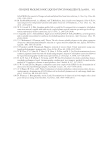
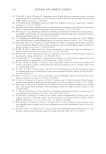
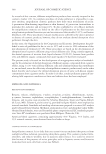
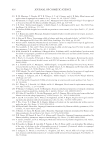
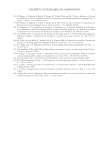
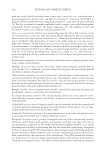
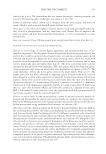
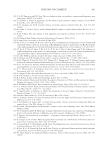
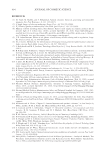
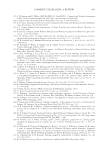
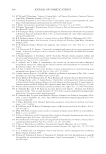
494 JOURNAL OF COSMETIC SCIENCE REFERENCES (1) M. Yusuf, M. Shabbir, and F. Mohammad, Natural colorants: historical, processing and sustainable prospects, Nat. Prod. Bioprospect., 6, 123–145 (2017). (2) S. Singh, Impact of color on marketing, Manag. Decis., 44, 783–795 (2006). (3) F. J. Francis, Quality as influenced by color, Food. Qual. Prefer.,6, 149–155 (1995). (4) Ministry of Food and Drug Safety, Press Release: Korea’s trade surplus in cosmetic products hit an all-time high of 6 trillion won, (2020), accessed September 28, 2020, https://www.mfds.go.kr/ eng/brd/m_61/view.do?seq=25&srchFr=&srchTo=&srchWord=&srchTp=&itm_seq_1=0&itm_ seq_2=0&multi_itm_seq=0&company_cd=&company_nm=&page=1. (5) J. D. Adam Burrows, Palette of our palates: a brief history of food coloring and its regulation, Compr. Rev. Food. Sci. Food. Saf., 8, 394–408 (2009). (6) M. J. Scotter, Methods for the determination of European Union-permitted added natural colours in foods: a review, Food. Addit. Contam. Part A., 28, 527–596 (2011). (7) S. Kobylewski and M. F. Jacobson, Toxicology of food dyes, Int. J. Occup. Environ. Health., 18, 220–246 (2012). (8) B. P. Harp and J. N. Barrows, “Chapter 4-US regulation of color additives in foods,” in Colour Additives for Food and Beverages, M. J. Scotter. Ed. (Woodhead Publishing, Oxford, 2015), pp. 75–88. (9) E. Stich, “Chapter 1-Food color and coloring food: quality, differentiation and regulatory requirements in the European union and the United States,” in Handbook on Natural Pigments in Food and Beverages., R. Carle and R. M. Schweiggert. Eds. (Woodhead Publishing, Cambridge, 2016), pp. 3–27. (10) S. Lehto, M. Buchweits, A. Klimm, R. Strabnurger, C. Bechtold, and F. Ulberth, Comparison of food colour regulations in the EU and the US: a review of current provisions, Food. Addit. Contam. Food. Addit. Contam. Part A., 34, 335–355 (2017). (11) A. Foster, Colour legislation and cosmetics and toiletries, Int. J. Cosmet. Sci., 1, 221–245 (1979). (12) K. Dhull, S. Tripathy, and H. Dureja, Cosmetics: regulatory scenario in USA, EU and India, JPTRM., 3, 127–139 (2015). (13) European Commission, Regulation (EC) No 1223/2009 of the European parliament and of the council of 30 November 2009 on cosmetic products, Off. J. Eur. Union., L342, 1–59 (2009). (14) Food and Drug Administration, Electronic Code of Federal Regulations, Title 21. 2020, accessed September 28, 2020, https://www.ecfr.gov/cgi-bin/text-idx?tpl=/ecfrbrowse/Title21/21tab_02.tpl. (15) National Medical Products Administration, Inventory of Existing Cosmetic Ingredients in China. 2015, accessed September 28, 2020, https://www.nmpa.gov.cn/hzhp/hzhpggtg/hzhpqtgg/ 20151223120001361.html. (16) National Medical Products Administration, Safety and Technical Standard for Cosmetics -2015. 2015, accessed September 28, 2020, https://www.nmpa.gov.cn/hzhp/hzhpggtg/hzhpqtgg/20151223120001986. html. (17) Ministry of Food and Drug Safety, Cosmetic Act. 2016, accessed September 28, 2020, http://elaw.klri. re.kr/eng_service/lawView.do?hseq=38953&lang=ENG&joseq=JO0015020&searchTxt=animal%20 cosmetic. (18) M. Beatriz and A. Gloria, “Chapter 13: Intense Sweetners and synthetic colorants,” in Food Analysis by HPLC, 2nd Ed., N. M. L. Nollet. Ed. (Marcel Dekker, New York, 2000), pp. 523–574. (19) G. Giancola and M. L. Schlossman, “Chapter 17: Decorative cosmetics,” in Cosmeceuticals and Active Cosmetics, R. K. Sivamani, P. Elsner, and H. I. Maibach. Eds. (Boca Raton: CRC Press, 2015), pp. 191–219. (20) R. M. Christie, Colour Chemistry, 2nd Ed. (Royal Society of Chemistry, Cambridge,2015). (21) P. F. Gordon and P. Gregory, Organic Chemistry in Color (Springer-Verlag, Heidelbergg Germany, 1987). (22) K. Hunger and M. U. Schmidt, Industrial Organic Pigments Production: Production, Properties, Application, 3rd Ed. (Wiley-VCH, Weinheim, Germany, 2006). (23) P. Wright and U. B. Staff, “Xanthene dyes,” in Kirk-Othmer Encyclopedia of Chemical Technology (John Wiley, New York, NY, 2014), pp. 1–18. (24) S. Schramm and D. Weiss, Fluorescent heterocycles: recent trends and new developments, Adv. Heterocycle. Chem., 128, 103–179 (2019). (25) M. J. Scotter and L. Castle, Chemical interactions between additives in foodstuffs: a review, Food. Addit. Contam., 21, 93–124 (2004). (26) FAO JECFA, Combined Compendium for Food Additive Specifications – Analytical Methods, Test Procedures and Laboratory Solutions used by and Referenced in the Food Additive Specifications, Vol. 4. 2006, accessed September 28, 2020, http://www.fao.org/3/a0691e/a0691e.pdf.
Purchased for the exclusive use of nofirst nolast (unknown)
From: SCC Media Library & Resource Center (library.scconline.org)