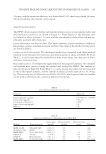
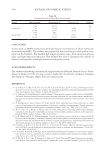
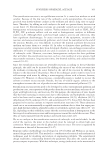
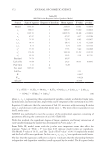
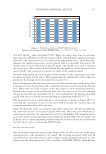
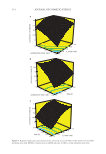
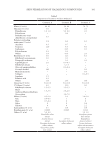
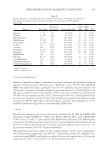
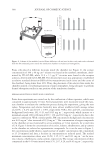
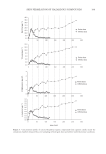
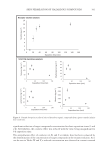
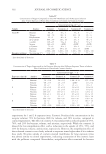
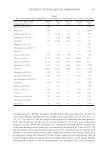
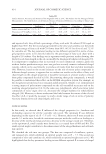
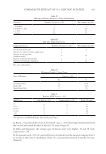
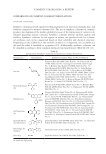
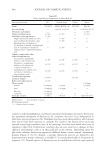
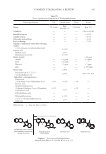
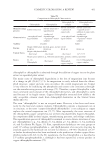
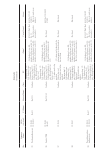
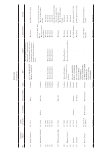
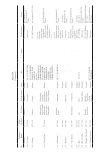
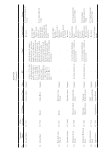
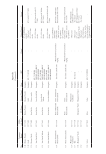
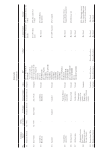
380 JOURNAL OF COSMETIC SCIENCE As a result of this concern, different antipollution products have recently irrupted in the cosmetic market (12). As complete avoidance of smoke pollution is impossible in ciga- rette smokers, antipollution cosmetic products have three main mechanisms of action: i) prevention (film-forming ingredients or skin barriers), ii) protection (antioxidants to neutralize free-radicals), and iii) repair (13). To date, published in vitro efficacy methods for antipollution cosmetics are based on the effect of pollutants on the skin structure using human epidermal keratinocytes and reconstructed skin models (14,15), and human fibroblasts (16). Those procedures evaluate modifications suffered by the skin in presence or absence of cosmetic products however, they do not evaluate dermal absorption of air pollutants through the skin. In this sense, the Organization for the Cooperation and Economic Development has pub- lished a series of guidelines for the in vivo (n. 427) and in vitro (n. 428) evaluation of der- mal absorption of chemicals (17,18). Those procedures are based on the determination of absorption rates by passive diffusion using vertical diffusion cells. Using a similar approach, the dermal exposure of nicotine from liquid solutions (19,20,21), benzene from gasoline (22), and different organic compounds from pure liquids (23) have been evaluated. The present study is focused on the development of an appropriate analytical methodol- ogy for the evaluation of dermal absorption of different organic compounds from cigarette smoke, using in vitro vertical Franz diffusion cells and simulant human skin membranes to, on one hand, assess the effectivity of antipollution cosmetic products and, on the other hand, describe and evaluate the dermal absorption process of some well-known organic contaminants from cigarette smoke. In order to do that, a multi-pollutant approach sim- ulating field exposition conditions at finite and infinite doses has been employed. METHODS AND MATERIALS REAGENTS AND MATERIALS Benzene, toluene, ethylbenzene, o-xylene, m-xylene, p-xylene, chlorobenzene, styrene, p-cymene, limonene, naphthalene, acenaphthylene, 1-methylphenanthrene, 2-methylan- thracene, and nicotine were provided by Scharlau (Barcelona, Spain) and Sigma-Aldrich (St. Louis, MO). Toluene-d 8 and nicotine-d 4 , provided by Sigma-Aldrich, were employed as internal standards. Standards and working solutions were prepared in acetone (GC analysis grade) obtained from Scharlau. Methanol, ammonium acetate, and phosphate saline buffer, obtained from Scharlau, were used for mobile phase composition and LC standards prepara- tion. Strat-M® membranes were purchased from Millipore (Temecula, CA). American-blend cigarettes, containing approximately 50% Virginia, 37% burley, and 13% oriental varieties, were obtained from local tobacco shops. COSMETIC PRODUCTS COMPOSITION Antipollution cosmetic A is a daily skin care cream (viscous emulsion) that protects from sunlight and blue radiation, preventing skin photo-ageing. This cosmetic product firms, smoothes, and reduces wrinkles, due to paracress plant extract. It is suited to sensitive skin because of the presence of active principles such as liquorice extract and bioactive molecules from stem cells from cotton (see Table I).

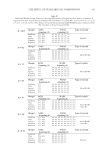
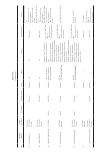
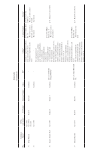
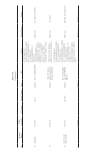
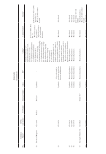
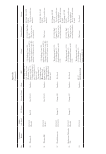
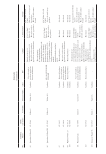
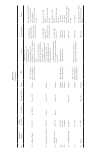
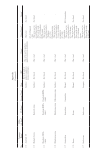
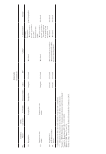
381 SKIN PERMEATION OF HAZARDOUS COMPOUNDS Table I Composition of Cosmetic Products Evaluated Cosmetic A Cosmetic B Cosmetic C Water (% w/w) 60–65 50–60 70–75 Silicones (% w/w) 3.0 6.8 2.0 Dimethicone 1.0–3.0 5.0–6.0 2.0 Polysilicone – 0.8 – Dimethicone-vinyl dimethicone crosspolymer 0.3 – – Polymers including surfactants (% w/w) 3.8 6.6 6.3 Acrylates 0.3 0.7 – Stearates 1.20 4.5 4.0 Carbomers – 0.15 0.3 Polyisobutene 0.5 0.5 – Others 1.8 0.75 2.0 Emollients (% w/w) 9.6 12.4 8.4 Ethylhexyl isononanoate 2.0 4.0 – Dicaprylyl carbonate – 3.0 4.0 Caprylyl glycol 2.0 0.1–0.3 – Ethylhexyl olivate – 2–2.5 – Olive oil unsaponifiables – 0.1–0.4 – Cetearyl alcohol 1.45 – 2.0 Myristyl myristate – – 0.5 Collagen – – 0.1–0.5 Squalane 2.5 – – Palmitic acid 0.5 – – Others 1.15 2.64 1.65 Glycerine (% w/w) 5.0–10.0 5.0–10.0 5.0–10.0 UV filters (% w/w) 4.0 10.0 0.0 Ethylhexyl triazone 1.5–3.5 1.5–3.5 – Butyl methoxydibenzoylmethane 1.5–3.5 2.0–4.0 – Octocrylene – 4.0–7.0 – Fillers (% w/w) 0.5–1.0 1.0 1.0–3.0 Talc 0.4–0.5 1 0 Mica 0.2–0.4 0 0 Silica 0 0 0.4 Silicates 0 0 2.2 Antioxidants (% w/w) 0.7 0.8 0.8 Xanthan gum (% w/w) 0.0005 0.0025 0.014 Others (% w/w) 5.0–6.0 Dunaliella salina extract Acmella oleracea extract Gossypium herbaceum callus culture Glycyrrhiza glabra root extract 1.5–3.0 Gossypium herbaceum callus culture 1.0–3.0 Caesalpina spinosa fruit extract Kappaphycus alvarezii extract Lycium barbarum callus culture extract Gossypium herbaceum callus culture
Purchased for the exclusive use of nofirst nolast (unknown)
From: SCC Media Library & Resource Center (library.scconline.org)