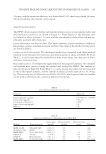
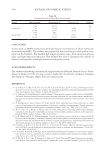
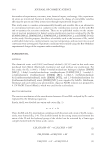
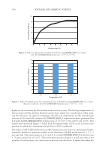
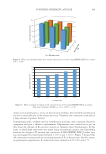
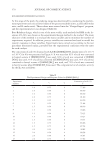
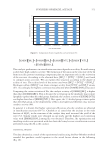
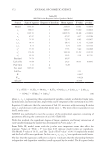
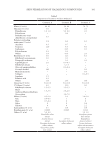
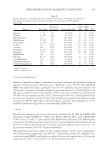
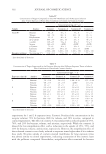
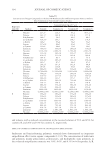
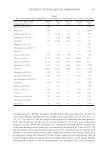
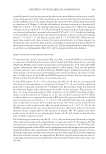
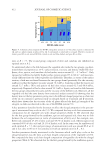
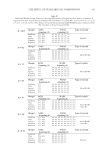
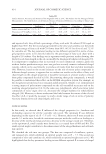
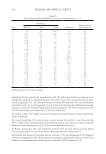
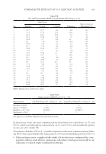
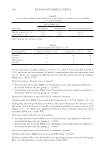
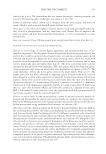
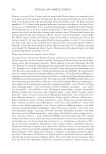
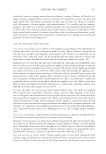
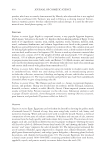
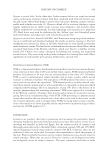
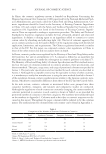
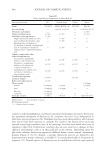
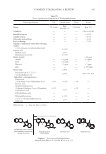
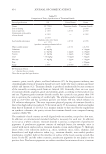
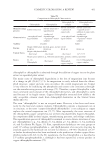
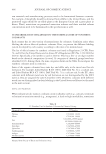
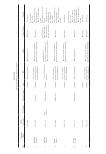
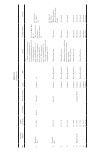
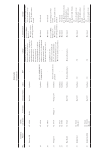
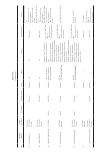
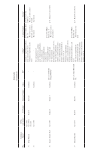
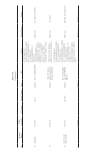
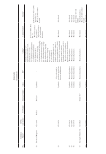
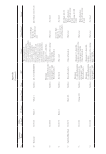
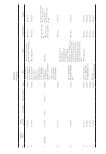
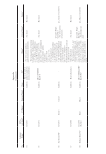
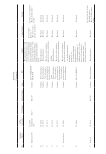
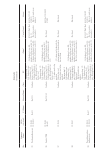
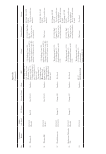
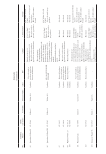
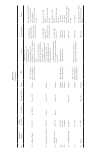
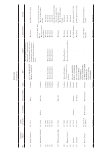
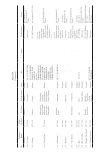
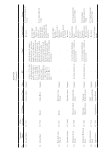
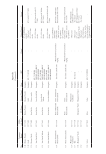
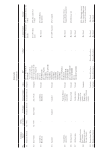
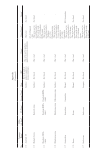
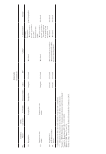
394 JOURNAL OF COSMETIC SCIENCE Table VI Concentration of Target Compounds in the Strat-M Membrane after Different Exposure Times at Infinite Dose Conditions in Control and Cosmetic Studies Exposure time (h) Analyte Concentration (ng cm−2 ± s) Control Cosmetic A Cosmetic B Cosmetic C 1 Benzene 227±9 110±3 93±2 98.3±1.5 Toluene 343±17 160±8 119±6 127±8 Ethylbenzene 140±7 54±3 46±3 48±3 m+p-Xylene 510±30 165±7 158±7 179±9 o-Xylene 140±7 65±4 54±3 52±3 Styrene 237±18 86±5 63±4 73±5 p-Cymene 122±6 68±4 35±2 40±3 Limonene 760±40 550±30 280±20 310±20 Nicotine 3,110±160 2,680±70 1,750±60 2,561±70 2 Benzene 332±18 285±18 225±17 253±12 Toluene 414±15 211±10 142±8 196±8 Ethylbenzene 194±8 86±7 67±5 75±6 m+p-Xylene 620±20 285±15 221±12 239±14 o-Xylene 163±7 87±7 64±5 67±5 Styrene 299±15 147±9 101±4 98±8 p-Cymene 187±8 110±8 64±5 60±5 Limonene 980±50 960±50 510±20 436±18 Nicotine 12,700±600 12,100±500 13,041±500 9,000±400 4 Benzene 460±20 310±18 285±19 320±20 Toluene 510±30 247±15 292±18 350±20 Ethylbenzene 290±20 164±7 157±7 178±7 m+p-Xylene 950±50 590±30 730±40 560±40 o-Xylene 230±12 148±6 102±5 178±8 Styrene 680±50 370±20 390±30 270±20 p-Cymene 353±18 204±12 168±6 153±6 Limonene 1600±100 1420±90 1430±110 1130±90 Nicotine 42,000±2,000 42,000±2,000 41,200±1,800 43,000±2,000 8 Benzene 490±20 480±20 479±18 490±20 Toluene 540±30 520±20 580±30 517±40 Ethylbenzene 340±20 311±18 224±15 337±19 m+p-Xylene 1150±60 1060±50 860±40 1180±50 o-Xylene 266±15 263±12 196±10 270±20 Styrene 890±40 750±40 570±30 844±40 p-Cymene 410±20 302±18 320±16 341±12 Limonene 2,000±150 1,980±140 1,800±150 1,900±160 Nicotine 50,000±2,000 50,000±3,000 52,000±2,000 52,000±2,000 and toluene, with a reduced concentration in the received solution of 53% and 45% for cosmetic B, and 26% and 33% for cosmetic C, respectively. EFFECT OF COSMETICS COMPOSITION ON ANTIPOLLUTION EFFECTIVENESS Surfactants and barrier-forming polymeric materials have demonstrated an important antipollution effect versus organic compounds (13,33). The concentration of surfactants and polymers, mainly polyacrylates, polystearates, and hydrophobic waxy polymers, in the evaluated antipollution cosmetics was 3.8%, 6.6%, and 6.3% (w/w) for product A, B,

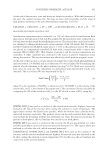
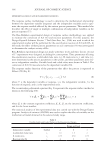
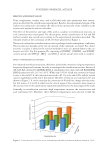
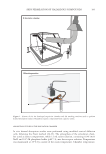
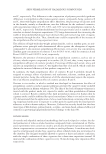
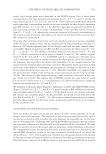
395 SKIN PERMEATION OF HAZARDOUS COMPOUNDS and C, respectively. This difference in the composition of polymers provided significant differences in antipollution effectiveness against organic compounds, being cosmetics B and C, those with higher antipollution effect. Moreover, the percentage of silicones used in the formula, mainly as dimethicone, was also different for the evaluated cosmetics, with concentration values of 3.0%, 6.8%, and 2.0% (w/w) in antipollution cosmetics A, B, and C, respectively. Polydimethylsiloxane has been previously used as synthetic skin simulant in dermal absorption experiments (25), being demonstrated that increasing the width of the polydimethylsiloxane layer decreases flux and increases lag time of organic compounds through the skin. Thus, dimethicone could be responsible of the increase of the antipollution effect at long exposition times. The addition of high-molecular-weight polysaccharides, such as xanthan gum, an anti- pollution active principle with demonstrated effects against the adsorption of organic compounds [4], also increases antipollution effectiveness, even at very low concentration. Xanthan gum concentration of cosmetic C was 0.014% (w/w), while for cosmetics A and B was 0.0005% and 0.0025% (w/w), respectively. Moreover, the presence of mineral particles in antipollution cosmetics, such as talc or silicates, adsorbs organic compounds in its surface (34,35) and, thus, it may improve the antipollution efficiency of cosmetic products. Percentage of fillers such as talc, silica, and silicates in antipollution cosmetic C was higher than that of A and B, which could also explain the increased efficiency of this product compared to A. In summary, the high antipollution effect of cosmetic B and C probably should be assigned to synergic effects of polymeric and surfactants, silicones, xanthan gum, and mineral particles, being the combination of all the aforementioned aspects the responsi- ble of an efficient antipollution effect of cosmetic products B and C. Previous in vivo studies, in which a method was developed to demonstrate the effect of antipollution cosmetic products against pollution generated by cigarette smoke included lipid peroxidation in human volunteers (36). The skin of the back of human volunteers is treated with the product under test, exposed to smoke, and then peroxidation of human sebum is assessed. Results confirmed that lipid peroxidation induced in human skin by cigarette smoke could be inhibited by topical antioxidants. Other in vivo and in vitro studies (37) demonstrated that the application of a face cream formulation containing a film-form- ing exopolysaccharide prior to exposure to carbon particles significantly decreased particle adherence to skin in human subjects. Moreover, Unilever has recently found that the three main types of film formers, polysaccharide-, acrylate-, and resin-based, enhanced efficacy of cosmetics in preventing lipoperoxidation-based damage to the skin (38). CONCLUSIONS A versatile and adaptable analytical methodology has been developed to evaluate the der- mal permeation of tobacco-smoke hazardous compounds from contaminated air. Perme- ation experiments were carried out inside a specifically developed exposition chamber to obtain a representative concentration of tobacco-smoke pollutants. A machine was devel- oped to simultaneously smoke three cigarettes, where inhaled smoke was reintroduced in the chamber. The designed manifold allowed to operate at finite and infinite conditions, with the single combustion of three cigarettes for a short-time exposition (around 40 min) and the combustion of three cigarettes every 30 min for long-time exposition (8 h), respectively.
Purchased for the exclusive use of nofirst nolast (unknown)
From: SCC Media Library & Resource Center (library.scconline.org)