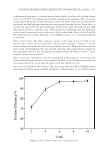
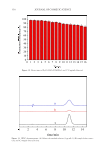
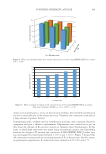
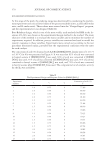
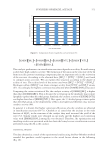
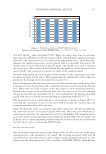
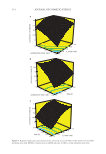
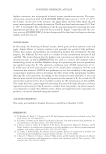
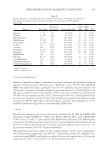
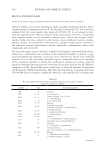
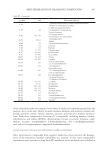
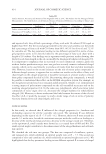
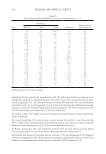
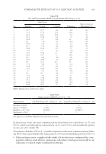
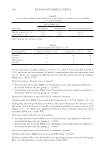
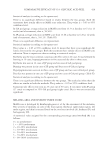
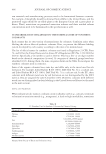
402 JOURNAL OF COSMETIC SCIENCE these oleogels have practical applications for the cosmetic industry since they are used to produce oil foams for skin and hair applications (11,40). In this study, our objective is to fill this gap in knowledge by systematically investigating the effect of the nature of the oil on these systems. Four vegetable oils, which are widely used in cosmetic applications, were studied: olive, apricot, camelina, and rapeseed oil. The oils were not purified to study the real industrial products as they are used in cos- metic industry (11). The new results were compared with the previous results obtained for sunflower oils (27). First of all, the oleogel properties as a function of R in terms of structuring potential (hardness, oil loss and gel stability) were determined. Then, struc- tural data was obtained using a multiscale approach. We correlated these observations with the fatty acid chain length composition of the oil. MATERIALS AND METHODS MATERIALS All the ingredients used were of cosmetic grade, and classically incorporated in cosmetic products. BO (1-docosanol), 77.0% purity, impurities include 17.2% arachidyl alcohol (1-icosanol), 5% stearyl alcohol (1-octodecanol), and 0.6% lignoceryl alcohol (1-tetraco- sanol)), was purchased from BASF (Ludwigshafen, Germany). BA (docosanoic acid), 88.2% purity, impurities include 1% palmitic acid (hexadecanoic acid), 3.8% stearic acid (octadecanoic acid), 5% arachidic acid (eicosanoic acid), and 2% lignoceric acid (tetraco- sanoic acid), was purchased from KLK OLEO (Emmerich am Rhein, Germany). Rape- seed and olive oils were purchased from HUILERIES DE LAPALISSE (Lapalisse, France). Apricot kernel oil and Camelina oil were purchased from Naturex (Avignon, France). The fatty acid chain length of the vegetable oils was determined by the different suppliers using capillary gas chromatography analysis after alkaline treatment in accordance to the European Official Methods of Analysis (Table I). All the raw materials were used without further purification. OIL PROPERTIES The viscosity of the oils was determined using a rheometer (MCR502, Anton Paar GmbH, Graz, Austria) with a double gap geometry. After sample loading, the oils were equilibrated 30 min at 25°C before measurements. The shear rate was increased from 0.1 to 100·s−1. All the oils behaved as Newtonian liquids. The surface tension was measured using a Krüss K100 tensiometer under ambient conditions, with a typical temperature of 25°C ± 0.5°C. The surface tension was measured using a du Nouÿ ring method. The density of the vegetable oils was determined with a digital densitometer (DMA-4500, Anton Paar Graz, Austria). All the measurements were performed in triplicate. SAMPLE PREPARATION All concentrations are expressed as weight percentage, w/w. The oleogelator concentration was kept constant at 10 wt.% in 90 wt.% of oil. This concentration was chosen in order to form oleogels with sufficient crystals to produce then oil foams by whipping, otherwise not enough crystals were present to stabilize the air bubbles (40). The weight ratio (R)

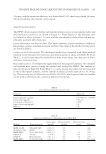
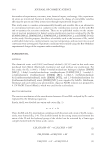
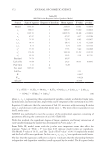
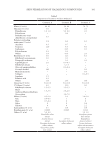
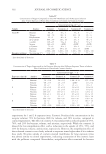
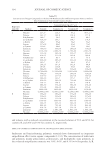
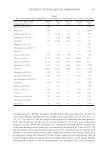
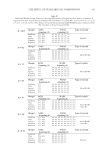
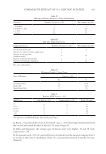
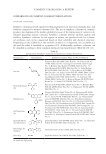
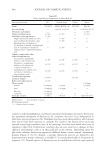
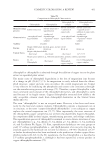
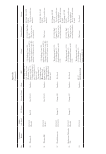
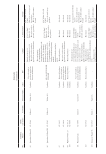
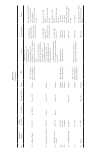
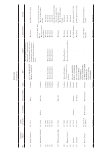
403 THE EFFECT OF VEGETABLE OIL COMPOSITION was defined as: R = BO/BA. R between the BO and the BA varied from 0:10 to 10:0. In total, seven different formulations were prepared and studied for each oil: 10:0, 8:2, 7:3, 5:5, 3:7, 2:8, and 0:10. All the oleogels were prepared by following the same protocol. First, the oleogelator and the oil were heated together at 85°C in a water bath under magnetic stirring. When the oleogelator was completely dissolved and the samples was limpid and homogenous by naked eyes, the sample was maintained for 5 min at 85°C. All the formulations were liquid and homogeneous at 85°C. After heating, the samples were allowed to cool down quiescently to room temperature without any stirring, resulting in an estimated cooling rate of around 5°C/min. Upon cooling to room temperature, they all formed oleogels, which sustained their own weight when inverted. Each oleogel formula was prepared in triplicate. All the measurements were performed after 24 h of storage at Table I Fatty Acid Chain Length Composition (%/w) and Degree of Unsaturation of each Carbon of the Oils. Fatty Acid Chain Length Composition (%w/w) Sunflower (%) Olive (%) Apricot (%) Camelina (%) Rapeseed (%) Myristic acid (C14:0) 0.19 — — — 0.05 Total C14 0.19 — — — 0.05 Palmitic acid (C16:0) 7.33 11.30 5.34 5.70 4.56 Palmitoleic acid (C16:1) — 1.00 0.86 — 0.21 Total C16 7.33 12.30 6.20 5.70 4.77 Margaric acid (C17:0) — — — — 0.07 Heptadecenoic acid (C17:1) — — — — 0.12 Total C17 — — — — 0.19 Stearic acid (C18:0) 3.81 3.40 1.08 2.70 1.78 Oleic acid (C18:1) 27.23 75.10 60.02 18.80 62.71 Linoleic acid (C18:2) 58.71 7.30 29.10 20.80 18.21 Linolenic acid (C18:3) 0.79 0.70 0.80 30.20 8.60% Total C18 90.54 86.50 91.00 72.50 91.30% Arachidic acid (C20:0) 0.28 0.40 — 1.30 0.64% Eicosenoic acid (C20:1) 0.23 0.30 — 13.00 1.35 Eicosanedienoic acid (C20:2) — — — — 0.57 Total C20 0.50 0.70 — 14.30 2.56 Behenic acid (C22:0) — 0.10 — — 0.38 Erucic acid (C22:1) 0.19 — — 2.30 0.43 Total C22 0.19 0.10 — 2.30 0.81 Lignoceric acid (C24:0) 7.33 0.10 — — 0.13 Nervonic acid (C24:1) — — — — 0.16 Total C24 7.33 0.10 — — 0.29
Purchased for the exclusive use of nofirst nolast (unknown)
From: SCC Media Library & Resource Center (library.scconline.org)