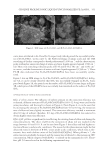
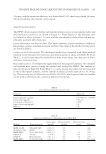
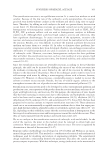
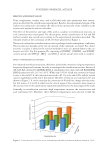
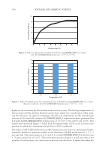
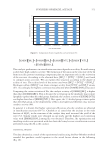
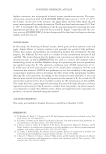
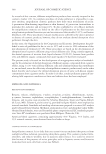
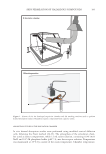
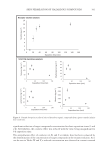
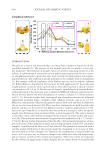
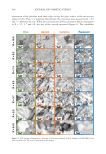
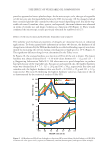
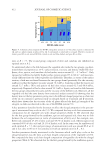
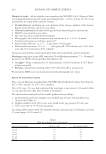
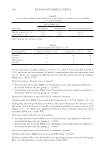
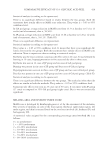
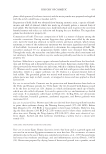
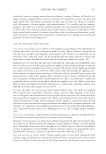
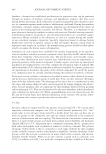
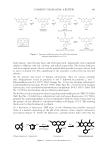
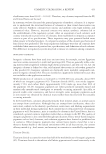
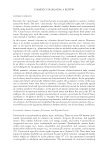
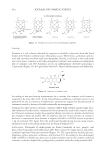
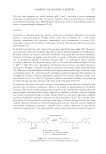
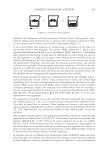
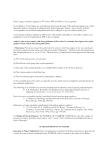
406 JOURNAL OF COSMETIC SCIENCE orientation of the platelets with their edges facing the glass surface of the microscopy slides (19,20). Thus, it is supposed that platelet-like structures were present for R = 8:2 and 7:3, whatever the oils. When the concentration of BA is increased, which corresponds to R = 5:5, 3:7 and 2:8, the size of the crystals increased (Figure 1). The crystalline Figure 1. DIC images of oleogels as a function of R between behenyl alcohol: behenic acid (BO:BA) in the four vegetable oils. The scale is indicated on the images.

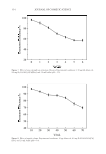
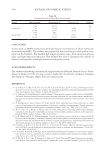
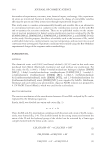
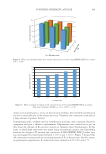
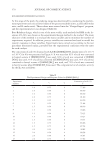
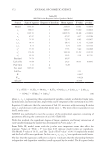
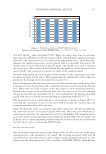
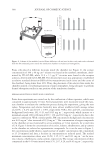
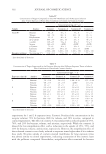
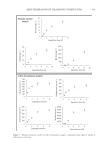
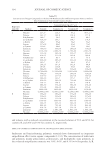
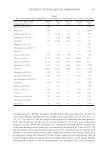
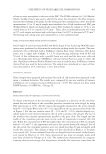
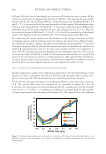
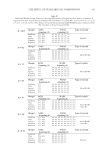
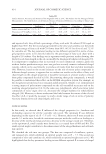
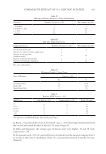
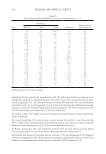
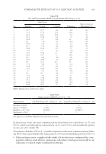
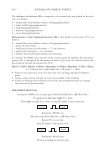
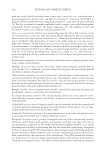
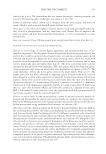
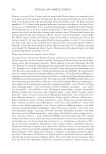
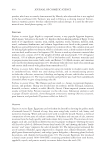
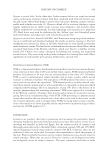
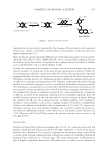
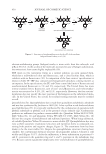
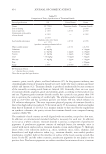
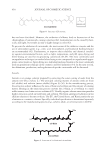
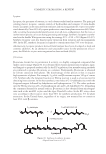
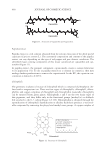
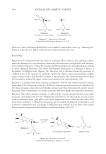
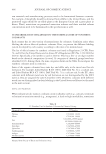
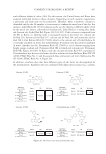
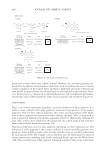
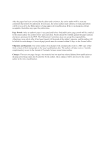
407 THE EFFECT OF VEGETABLE OIL COMPOSITION particles appeared to have a platelet shape. At the microscopic scale, the type of vegetable oil did not give any distinguishable features by DIC microscopy. All the oleogels studied here contained platelet-like crystals but their size varied depending on R. For all the veg- etable oils tested (camelina, olive, apricot, and rapeseed), the same behavior was observed in terms of crystals size and shape evolution as a function of R (Figure 1). These results confirmed the microscopic results previously obtained for sunflower oil (27). EFFECT OF THE OIL ON OLEOGEL PROPERTIES: HARDNESS AND STABILITY The stability and mechanical properties of oleogels are important factors in industrial applications. To obtain quantitative information on these two factors, the hardness of all oleogels was evaluated by the TPA method and the so-called oil-binding capacity was deter- mined by measuring the oil loss during centrifugation at high speed at 25°C (Figure 2). The significant different oleogels were determined by the Tukey’s test. In Figure 2A, the average hardness as a function of R for all the oils is shown. The lowest hardness was always obtained for R = 0:10 with values between 83 ± 12 g and 123 ± 5 g (Supporting Information Table SI.1). BA alone was not a good oleogelator to produce hard gels for any of the vegetable oils. For apricot and rapeseed oils, the highest hardness value was obtained for R = 7:3: 323 ± 28 g and 306 ± 38 g, respectively. For olive and camelina oils, the highest hardness value was for R = 8:2 (269 ± 25 g and 243 ± 32 g, respectively). The ratio R exhibiting the highest hardness varied as a function of the oil as demonstrated by the statistical analysis (Table SI.1) 50 100 150 200 250 300 350 Olive Apricot Camelina Rapeseed 0 2 4 6 8 10 12 BO:BA ratio (w:w) 10:0 8:2 5:5 3:7 2:8 0:10 7:3 A B Figure 2. (A) Hardness and (B) oil loss of oleogels as a function of R between behenyl alcohol:behenic acid (BO:BA) in various oils: olive (green circle), apricot (red diamond), camelina (brown square), and rapeseed (blue triangle). Hadnessg) %) Oloss
Purchased for the exclusive use of nofirst nolast (unknown)
From: SCC Media Library & Resource Center (library.scconline.org)