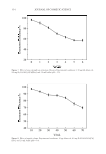
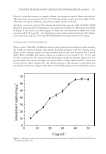
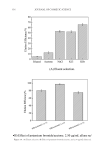
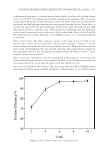
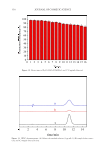
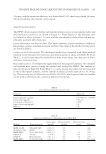
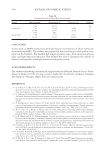
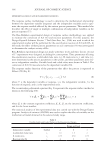
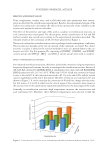
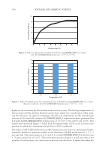
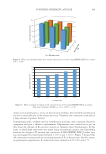
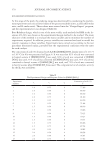
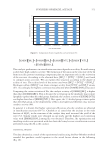
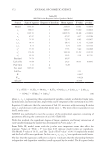
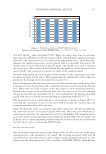
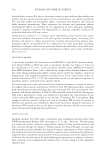
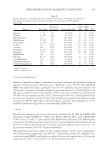
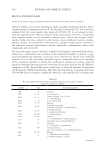
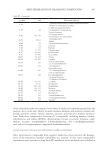
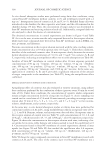
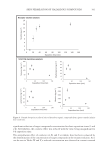
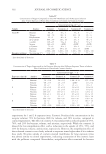
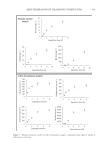
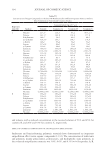
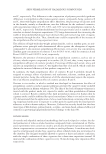
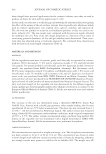
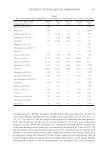
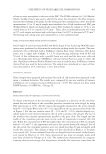
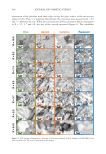
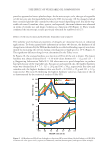
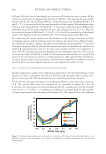
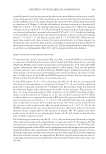
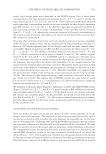
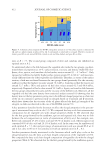
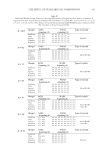
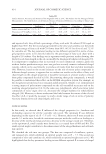
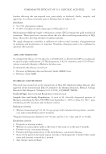
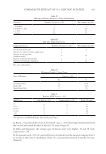
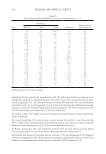
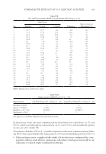
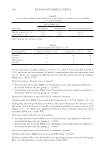
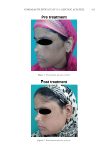
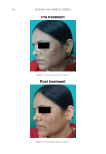
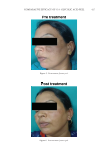
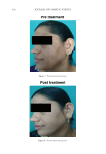
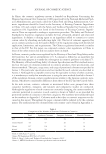
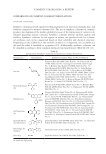
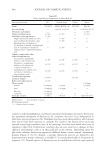
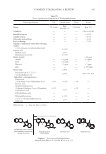
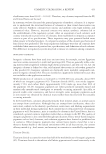
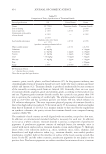
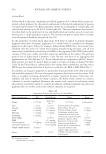
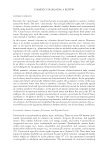
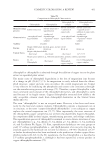
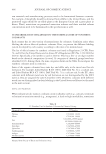
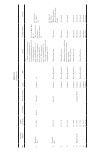
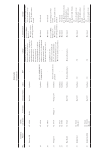
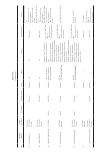
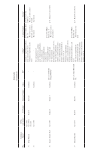
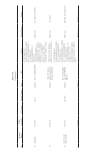
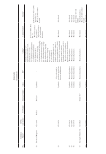
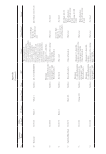
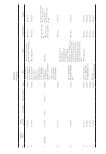
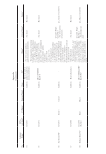
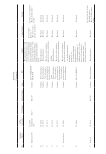
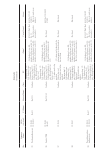
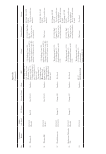
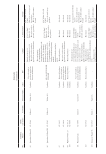
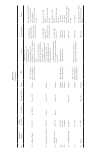
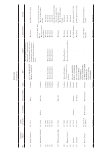
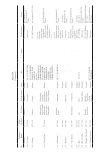
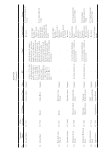
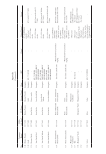
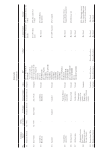
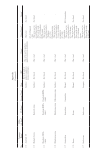
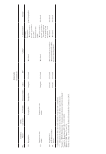
429 COMPARATIVE EFFICACY OF 35% GLYCOLIC ACID PEEL Statistical analysis (according to chi-square test): There is no significant difference found in results between the two groups. Both the treatments have similar effects on MASI score reduction. The p value is 0.05 at 95% confidence level. In GA peel group, average reduction in MASI score from 14.37 at baseline to 6.32 at 14 weeks (end of treatment), that is, 58.56%. In JP group, average reduction in MASI score from 15.68 at baseline to 6.28 at 14 weeks (end of treatment), that is, 59.12%. (Table IX) There is no significant difference in improvement. Statistical analysis (according to chi-square test) The p value is 0.05 at 95% confidence level. It means that there is no significant dif- ference between the two groups. Both the treatments have similar effects on MASI score reduction. None is superior to other according to statistical analysis. Erythema was the most common cutaneous side effect seen in 20 cases. It was followed by burning in 10 cases, hyperpigmentation in five cases and dry skin in three cases. Erythema was seen in 14 cases of JP group and six cases of GA peel group. Burning was present in six cases of JP group and four cases of GA peel group. Hyperpigmentation was seen in three cases of JP group and two cases of GA peel group. Dry skin was present in one case of JP group and two cases of GA peel group. (Table X) Statistical analysis (according to chi-square test) There is no significant difference between the two groups. The study also infers that side effects are similar in both the methods. The p value is 0.05 at 95% confidence level. Cutaneous side effects were seen in 25 cases out of 50 cases. It was more with JP group (17 cases) as compared to 35% GA peel group (eight cases). But it was not statistically significant. MELASMA AREA AND SEVERITY INDEX SCORE MASI score is developed by Kimbrough-green et al. for the assessment of the melasma. The severity of melasma in each of the four regions (forehead, right malar region, left malar region, and chin) is assessed based on the total area involved (A), darkness (D), and homogeneity (H). A numerical value assigned for the corresponding percentage area involved (A) is as follows: 0 = no involvement 1 = 10% involvement 2 = 10–29% involvement 3 = 30–49% involvement 4 = 50–69% involvement 5 = 70–89% involvement 6 = 90–100% involvement

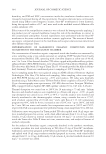
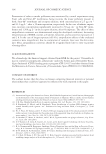
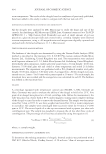
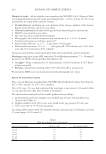
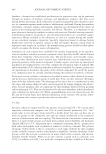
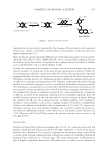
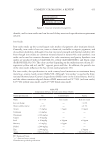
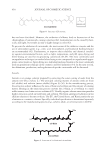
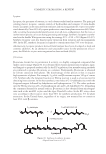
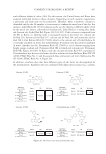
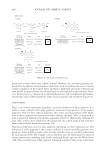
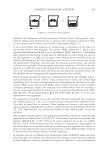
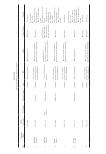
430 JOURNAL OF COSMETIC SCIENCE The darkness of melasma (D) is compared to the normal skin and graded on the scale of 0–4 as follows: 0 = normal skin color without evidence of hyperpigmentation 1 = barely visible hyperpigmentation 2 = mild hyperpigmentation 3 = moderate hyperpigmentation 4 = severe hyperpigmentation Homogeneity of the hyperpigmentation (H) is also graded on the scale of 0–4 as follows: 0 = normal skin color without evidence of hyperpigmentation 1 = specks of involvement 2 = small patchy areas of involvement 1.5 cm diameter 3 = patches of involvement 2 cm diameter 4 = uniform skin involvement without any clear areas To calculate the MASI score, the sum of the severity grade for darkness (D) and homo- geneity (H) is multiplied by the numerical value of the area (A) involved and by the percentage of the four facial areas (10–30%). MASI = 0.3(Df + Hf)Af + 0.3(Drm + Hrm)Arm +0.3(Dlm + Hlm)Alm + 0.1(Dc + Hc)Ac (f = forehead, mr = right malar, ml = left malar, c = chin) • Subjects were queried at each visit about the effect of drug and signs of improve- ment. • Adverse event: nature and type of event was recorded in the proforma. • Finally, all findings were analyzed statistically, and attempt was made to compare the results of the present study. TREATMENT PROTOCOL Evaluation, MASI score, test pre peel either GA (Odd No.) or JP (Even No.) TC application alternate night for 1 week Then daily at night for 1 week, to stop TC before 1 day of next visit 2 First visit 2 week Evaluation, MASI score Add peel either GA (Odd No.) or JP (Even No.) Restart TC on next day. Stop TC before 1 day of next visit. Second 4 week Evaluation, MASI score Do peel according to previous peel
Purchased for the exclusive use of nofirst nolast (unknown)
From: SCC Media Library & Resource Center (library.scconline.org)