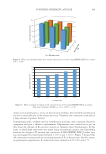
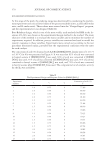
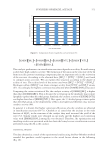
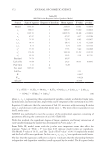
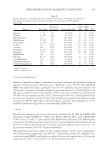
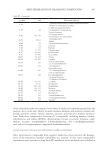
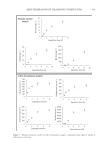
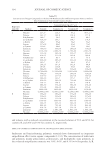
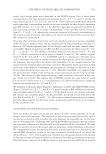
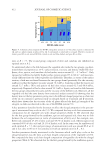
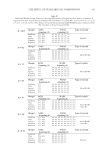
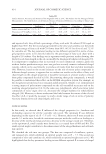
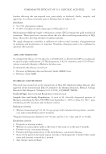
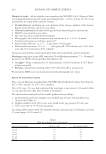
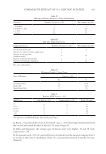
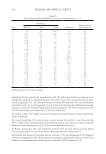
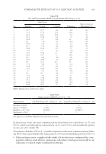
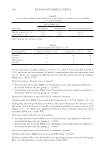
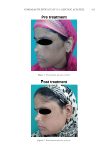
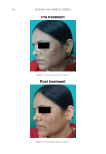
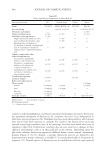
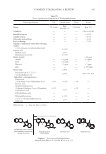
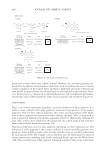
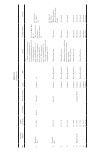
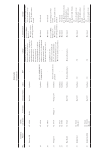
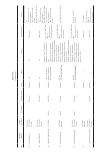
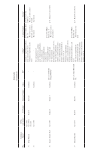
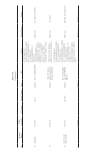
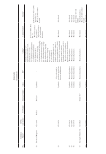
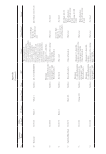
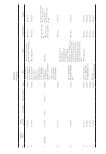
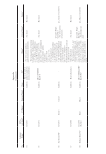
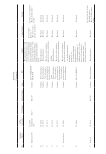
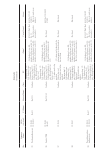
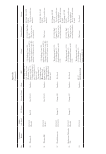
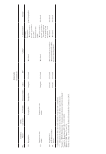
431 COMPARATIVE EFFICACY OF 35% GLYCOLIC ACID PEEL Restart TC on next day. Stop TC before 1 day of next visit. Third 4 week Evaluation, MASI score. Do peel according to previous peel. Restart TC on next day. Fourth 4 week Stop all treatment. Continue sunscreen in day time. Recurrence • After two months of observation period, out of 50 cases who completed treatment, five cases came with recurrence. Among them, 12% cases were in GA peel group and 8% cases were in JP group. CONCLUSION According to present study, safety and efficacy profile of 35% GA peel versus JP was almost same. Both can be used as an adjuvant to topical triple combination therapy of 2% hydroquinone, 0.025% tretinoin, and 0.01% fluocinolone acetonide in females suffering from melasma. REFERENCES (1) Handel AC, Lima PB, Tonolli VM, Miot LD, Miot HA. Risk factors for facial melasma in women: A case-control study. Br J Dermatol. 2014 171:588–94. (2) M. E. Hadly, C. B. Howard, and V. J. Hruby, in Pigment Cell 1981. Phenotypic Expression in Pigment Cells, M. sSeiji. Ed. (University of Tokyo press, Tokyo, 1981), pp. 323–330. (3) P. E. Grimes, Melasma etiology and therapeutic consideration, Arch. Dermatol., 131, 1453–1457 (1995). (4) J. H. Gikes, G. A. Bloomfield, A. P. Scott et al., Studies on the release and degradation of the human melanocyte stimulating hormone, Proc. R. Soc. Med., 67, 40 (1974). (5) S. Resnik, Melasma induced by oral contraceptive drugs, JAMA., 199, 95–99 (1967). (6) J. P. Ortonne, I. Arellano, M. Berneburg, T. Cestari, H. Chan, P. Grimes et al., A global survey of the role of ultraviolet radiation and hormonal influences in the development of melasma, J. Eur. Acad. Der- matol. Venereol., 23, 1254–1262 (2009). (7) S. Sonthalia and R. Sarkar, Etiopathogenesis of melasma, Pigment. Int., 2, 21–27 (2015). (8) A. Tamega Ade, L. D. Miot, C. Bonfietti, T. C. Gige, M. E. Marques, H. A. Miot, Clinical patterns and epidemiological characteristics of facial melasma in Brazilian women, J. Eur. Acad. Dermatol. Vene- reol., 27, 151–156 (2013). (9) A. Achar, S. K. Rathi, Melasma: a clinico-epidemiological study of 312 cases, Indian. J. Dermatol., 56, 380–382 (2011). (10) C. L. Goh and C. N. Dlova, A retrospective study on the clinical presentation and treatment outcome of melasma in a tertiary dermatological referral centre in Singapore, Singapore. Med. J., 40, 455–458 (1999).

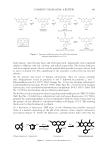
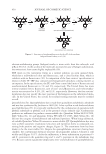
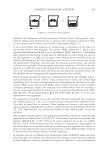
432 Address all correspondence to Virendra S Ligade at virendra123sl@gmail.com. J. Cosmet. Sci., 72, 432–441 (July/August 2021) History of Cosmetic in Egypt, India, and China MANJULA NAYAK AND VIRENDRA S. LIGADE Department of Pharmacy Management, Manipal College of Pharmaceutical Sciences, Manipal Academy of Higher Education, Manipal, Karnataka 576104, India Accepted for publication May 13, 2021. Synopsis Cosmetics are preparations used to improve and enhance human appearance. The concept of beauty and cosmetics is as ancient as mankind and civilization. The use of plants and herbs for cosmetics was started in ancient times. Egyptians believed that healing plants possess supernatural power. Herbs used for cosmetics in China are popular and are biologically active in today’s cosmetics. The most commonly used herb, as a cosmetic in India, is turmeric, which is still in use as the beauty routine before the wedding. In Egypt, around 10,000 BCE both men and women were using scented oils and ointments to clean their skin and mask body odor. The use of cosmetics in India dates backs to the Vedic and Puranic periods. Due to the increased consciousness about beauty, demand for the products is increasing, which results in the growth of the cosmetic industry. INTRODUCTION Cosmetics are an intrinsic part of health and hygiene. Men and women used scented ointments to cleanse their skin and also to mask body odor and decorate one’s face or body. The historical data points to the existence of such practices are as early as about 10,000 BCE (1). In ancient India, there is high evidence that both men and women were using cosmetics. The use of cosmetics had started from Ramayana, Mahabharata, Vedic, and Puranic periods (2). Various cosmetics, which were used in the olden days, are still used in present days such as turmeric and sandalwood for skincare, henna for coloring the palms and hairs, etc. Turmeric has been in use in India as cosmetics, home remedies, and medicines until recently before the entry of herbal and synthetic skin cosmetics in the market (3). This review paper summarizes the evolution of the preparation of cosmetic products, hygiene tools, perfumes, and other personal care items throughout history in ancient China, India, and Egypt. EYE CARE, MAKEUP, AND PLANT USED FOR EYE CARE Eye care in ancient Egypt. Egyptians used to line their eyes and eyebrows with kohl eyeliner (4). In the early 20th dynasty (1187–1064 BCE) soot kohl was produced by burning the
Purchased for the exclusive use of nofirst nolast (unknown)
From: SCC Media Library & Resource Center (library.scconline.org)