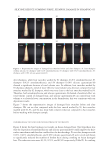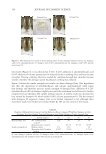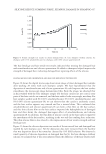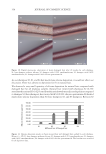

377 J. Cosmet. Sci., 73, 377–390 November/December 2022) Address all correspondence to Ahmed F. Elhawatky, dramfat@yahoo.com Using the 3D Antera Camera for Accurate Evaluation of Melanin and Hemoglobin Infraorbital Level Changes While Using Polydioxanone Threads and Autologous Plasma Gel (Filler) in Treating Infraorbital Hyperpigmentation: A Split Face Comparison Study HEBA MAHMOUD EL-SAYED DIAB, WASSAN MOHAMMED JWAD ZAYED, AHMED ELHAWATKY AND SAMAH IBRAHIM HASSEN Department of Dermatology, Venereology and Andrology, Faculty of Medicine, Ain-Shams University (H.M.E.D., S.I.H.) MSc. Basrah University Iraq (W.M.J.Z.) Department of Dermatology, Venereology and Andrology, National Research Center (A.F.E.) Accepted for publication February 14, 2023. Synopsis Infraorbital dark circle refers to the darkness of the infraorbital area below the lower eyelids. It creates significant cosmetic problems, impacts quality of life, and leads patients to seek medical advice. Now it is possible to extract data from images related to the 3D shape of the skin, which will allow one to quantify the efficacy of treatments and monitor changes over time by using the 3D Antera camera. The aim of this study is to make comparisons between the efficacy and safety of threads versus autologous plasma gel (filler) injection in treating infraorbital pigmentation and vascularity by the Antera camera and find whether its benefits exceeds its harms and side effects. In this study, 40 patients with infraorbital dark circles were included. Patients underwent plasma gel (filler) injections on the left eye, with polydioxanone thread treatment on the right eye. All patients were assessed using the 3D Antera camera before and after 1 month and 6 months of treatment. Both treatment modalities revealed marked cosmetic improvements. Both treatments also showed marked response, yet the results on the left eye were superior with regard to average melanin concentration. In conclusion, both polydioxanone thread insertion and plasma gel injection exert beneficial effects in improving periorbital hyperpigmentation and dark circles. However, plasma gel (filler) revealed more potent effects. INTRODUCTION Many etiological factors can cause infraorbital darkening, including dermal melanin deposition, periorbital edema, superficial location of vasculature, and shadowing occurring with skin laxity (1–3). Atopic patients and those complaining of allergic contact dermatitis continue to rub and scratch their skin, which leads to excessive postinflammatory
Purchased for the exclusive use of nofirst nolast (unknown)
From: SCC Media Library & Resource Center (library.scconline.org)