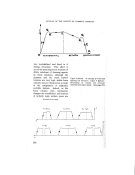
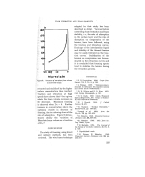
JOURNAL OF THE SOCIETY OF COSMETIC CHEMISTS pounds varying in texture from light floral to heavy exotic. Examination of individual benzyl and cinnamyl cinnamates and cinna- myl benzoate, and various combina- tions of these, indicates that to them the dominant note is evidently due, but it would seem that the inclusion o[ phenylethyl and phenylpropyl cinnamates contribute respdctively a desirable spicy, rose-honey and aromatic-hyacinth nuance, also the somewhat elusive velout• note can be achieved with the aid of methyl and ethyl cinnamates and cedryl and santalyl buryrates and phenyl- acetates, while final additions of vanillin, benzaldehyde, coumarin and melilotal in small quantities, com- plete a simulation in tonal agreement with the natural product. If the cinnamic motif in the above is replaced by a benzoic sequence, then the cadence, although still sweet and bland, inclines, as may be expected, towards that of Siam Benzoin, including the resinous colo- phony not• and the characteristic almond-vanilla undertone. Balsam of Tolu follows a similar pattern, but although the reputed mild hyacinth fragrance may occa- sionally be found, most samples seem to incline more towards a typical toluol-varnish odour, which is also found in the terebinth note of Mastic and, similarly, the "naphtha rubber-solution" association of Styrol is very pronounced in some speci- mens of styLax balsam ex Liquidam- ber orientalis. ß Olibanum, with its resinous fir- tree and frankincense odour, and 198 the sweet myrrh or opoponax, com- plete the brief list of natural resinous materials which have a balsamic odour. It is possible, however, to accentuate satisfactorily the charac- teristic note by fortifying one or more of the balsams with phenyl- ethyl and phenylpropyl cinnamates, which procedure incidentally sub- dues the slight chemical back-note which these esters frequently possess and impart to compositions. THE HERBACEOUS COMPLEX In order to ascertain a probable prototype "herbal" odour it is necessary to examine some fifty species of plants, the essential oils from which can be roughly segre-.:/ gated into culinary and medicinal:" groups. It also becomes obvious that the ' make-up larõely contributing to the "herbal" odour of both these groups depends considerably upon the fundamentals of those items at beginning and the end of the cyclic!'i * adjuvant sequence, namely, the(i folial-verdure-fern and the citrus'•:!?! fruity-cenanthic. ..... • Incidentally, in the "Herbals" Culpepper and Gerard, "Sytva," other writings of John Evelyn, the':! diarist, the records of the Chelsea.'.i "physick" and other well-known':i::i botanical gardens, there is a wealth':e: i of information for the student off?. perfumery to draw upon. In lidbed records of the medieval period!'ii may also be observed the associati0'ri! •I of the still-room and the herb garden::'! ':• and the division therein afforded

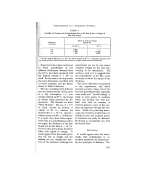
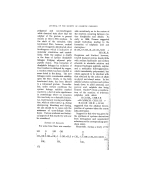
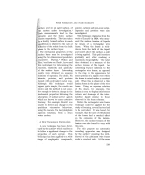
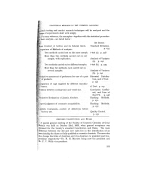
NON-FLORAL PERFUMES culinary side, for instance, sage, tarragon, chervil, mints and and also to the "simples" remedial herbs--chamomile, dill, pennyroyal and rue, together some consideration for the aromaticks"--lavender, rose- balm and bergamot for use in pomanders and pomatums. From the perfumery viewpoint, however, some endeavour to epitom- ise must be attempted, and it is interesting to note that ½erbelaud, in his "classification," devotes no less than five sections to the Umbelli- fers. Although this family includes about twenty of the more important "herbals," nevertheless, upon formu- Labiatoe Balm . Bergamot Savory ' [ White Harehound Umbelliferae Aromatic • Angelica Sweet Cicely Chervil ½•?PUlegon e ?• :i Carvone •:•,• ..... •}i:'i Camphor i:)'.7::." , r Garden mint [ Water mint -'• Spearmint Peppermint [ Pennyroyal Thyme 'Marjoram I • Hyssop • j' Basil I Sage I [ Clary sage Lavender Rosemary Compositae Southernwood Chamomile Tansy Tarragon Marigold' 'Anethole Caraway Cummin Coriander q Dill Fennel Anise Lavage Apiol f Carrots Parsley Celery Parsnip Roots i Hemlock Asafoetida Galbanum I Sumbul ' Opoponax [ Ammoniacurn Miscellaneous Barage (Boraginaceae) Salad Burner (Rosaceae) Rue (Rutace•e) 199
Purchased for the exclusive use of nofirst nolast (unknown)
From: SCC Media Library & Resource Center (library.scconline.org)